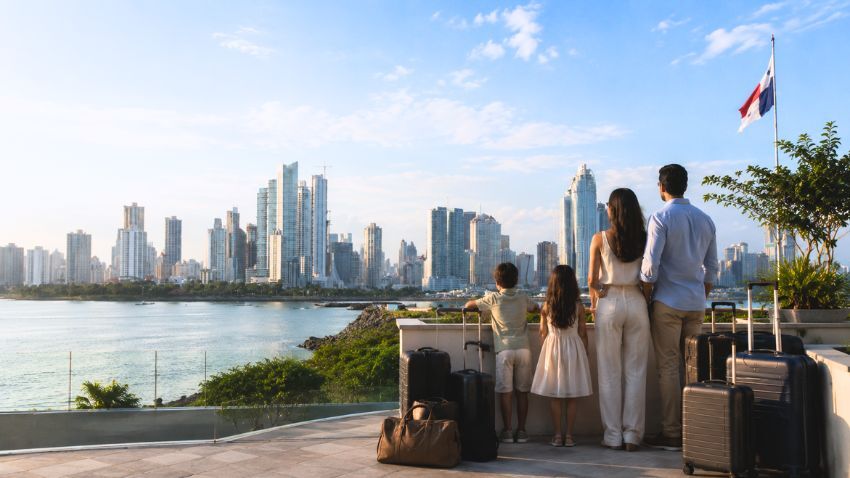
Are you tired of paying exorbitant property taxes on your home? If so, you're not alone. Property taxes can be a major burden for homeowners, eating away at your savings year after year. But what if you could own your dream home without worrying about a hefty annual tax bill?
Believe it or not, there are several countries around the world where property taxes simply don’t exist. These nations have chosen not to levy taxes on residential real estate, allowing homeowners to enjoy greater financial freedom and peace of mind. Instead of pouring money into a government system, residents can use those funds to invest in their family’s future, travel, or improve their quality of life.
In this article, we’ll take a closer look at some of the top countries with zero property taxes - places where homeownership is not only more affordable but also more empowering. From tropical retreats to emerging expat hotspots, these destinations may surprise you.
Whether you're planning your retirement abroad, seeking a second home, or simply exploring new options for a smarter offshore strategy, these tax-free havens deserve your attention. So, grab your notepad, because we're about to explore where you can live tax-free and thrive.

Western Sahara offers tax-free property, but consider the political situation in the region
WESTERN SAHARA: A DISPUTED TERRITORY WITH NO PROPERTY TAX
Although we do not recommend relocating there, Western Sahara presents an interesting case worth noting. Located on the northwest coast of Africa, it is a disputed territory, with Morocco controlling approximately 80% of the region. One unusual aspect is the possibility of tax-free property ownership, which may initially appear attractive to some investors.
However, this potential advantage comes with significant risks. The region’s unresolved political status creates legal uncertainty, particularly regarding property rights and ownership recognition. As of 2026, security and legal experts continue to caution against making substantial investments in Western Sahara, largely due to the absence of internationally recognized title deeds and the broader concerns surrounding stability.
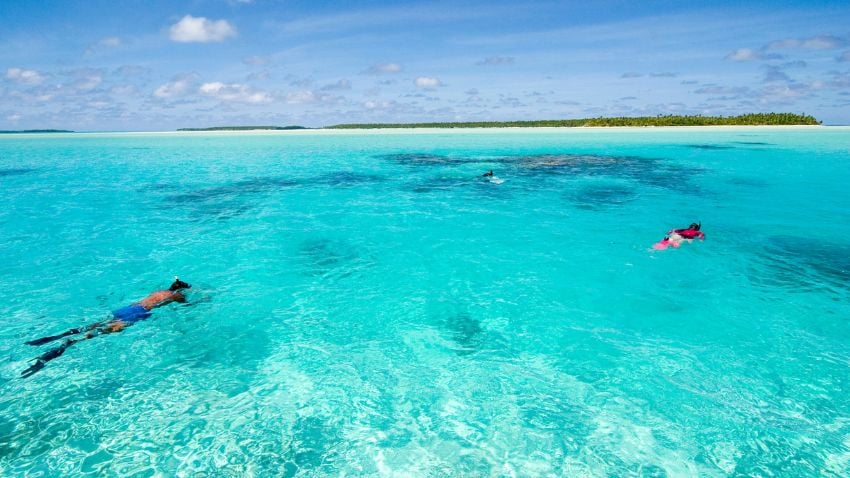
The Cook Islands have no property tax, making it an interesting destination for anyone looking to invest in real estate
COOK ISLANDS: A TROPICAL ARCHIPELAGO WITH NO PROPERTY TAX
Nestled in the heart of the South Pacific, the Cook Islands offer a unique opportunity for tax-free property ownership. This picturesque archipelago, known for its crystal-clear waters and unspoiled beaches, does not impose property taxes, a feature it shares with several neighbouring island nations. For both real estate investors and lifestyle seekers, this combination of financial advantages and natural beauty makes the Cook Islands especially appealing.
Recent policy updates have further shaped the investment landscape. A 2025 amendment to the High Net Worth residency program introduced higher minimum investment requirements in local businesses, while the Ministry of Finance reaffirmed the tax-free status of real estate ownership. Although new eco-sustainability fees for tourists were introduced in 2026, residential property remains entirely free from annual taxation.
Combined with its relaxed island lifestyle and pristine environment, the Cook Islands stand out as an attractive destination for those looking to own property in a tropical setting without the ongoing burden of property taxes.
Related content: Guide To Setting Up A Trust In The Cook Islands
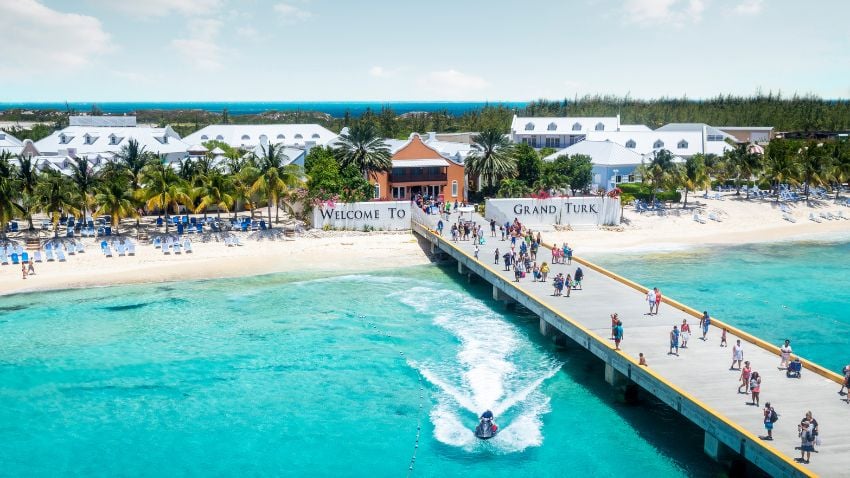
Although there is no property tax in the Turks and Caicos Islands, you pay a one-off transfer tax
TURKS AND CAICOS ISLANDS: NO PROPERTY TAX FOR HOMEOWNERS
Moving on to another tax-free haven, the Turks and Caicos Islands present attractive opportunities for property investors, particularly those seeking to avoid annual property taxes. This Caribbean archipelago is renowned for its breathtaking scenery, featuring white sand beaches and crystal-clear waters that continue to draw visitors from around the world.
While there is no recurring property tax, buyers should be aware of a one-time transfer tax, commonly known as stamp duty. As of early 2026, this has been updated to a tiered system ranging from 6.5% to 10%, depending on the island and the value of the property. This upfront cost is an important consideration when evaluating overall investment expenses.
Even with this initial fee, the absence of annual property taxes makes Turks and Caicos especially appealing for long-term ownership. Combined with its strong tourism market and luxury lifestyle appeal, the islands offer a compelling option for those looking to invest in high-end beachfront real estate while maintaining tax efficiency.

Bahrain could be the perfect place to call home without worrying about property taxes
BAHRAIN: A MIDDLE EASTERN COUNTRY WITH NO PROPERTY TAX
Moving on to another Middle Eastern option, Bahrain stands out as a tax-free destination for property owners. Strategically located between Qatar and Saudi Arabia, the country has built a strong economy supported in part by offshore financial services, while maintaining an attractive tax environment for residents and investors.
One of Bahrain’s key advantages is the absence of property taxes in designated freehold areas, a policy that has been reaffirmed under the Bahrain Vision 2030 updates reviewed in 2025. This makes it particularly appealing to expats looking for long-term property ownership without recurring tax obligations. However, buyers should be aware that a one-time registration fee of approximately 1% applies to property transfers as of 2026.
Beyond its tax benefits, Bahrain offers a high standard of living, with modern infrastructure, a well-established expat community, and access to social security programs. Combined with its coastal setting, vibrant lifestyle, and business-friendly environment, Bahrain presents a compelling option for those seeking to own property abroad without the burden of annual property taxes.
Related content: The Top 5 Currencies Least Affected By Inflation
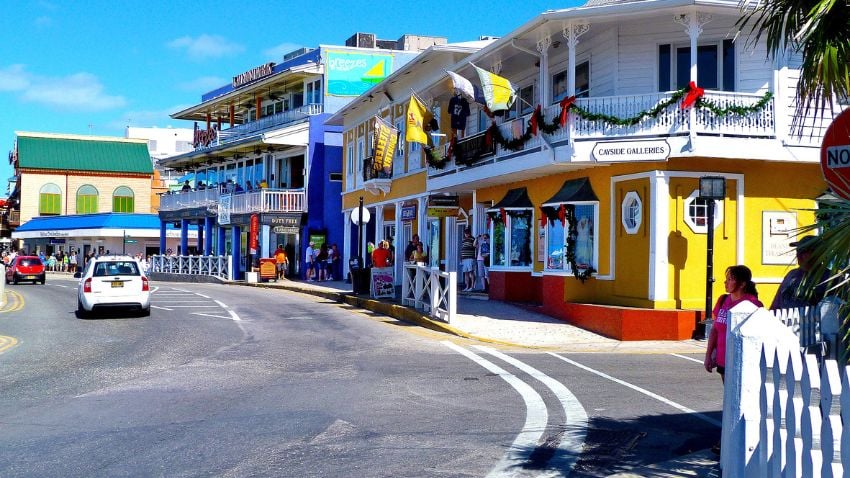
Homeowners in the Cayman Islands can enjoy their paradise without worrying about property or income tax
CAYMAN ISLANDS: NO PROPERTY TAX AND NO INCOME TAX
The Cayman Islands have long been recognized as a premier tax-free jurisdiction, attracting individuals seeking financial efficiency and stability. Beyond the absence of income taxes, many are surprised to learn that the islands also impose no annual property tax, making them particularly appealing for real estate investors.
Homeowners can enjoy a high standard of living in a tropical setting without the burden of recurring property or income taxes. This combination has made the Cayman Islands one of the most desirable destinations for those seeking both lifestyle and financial advantages. While there are no ongoing property taxes, buyers should factor in a one-time stamp duty of 7.5%, which applies to most real estate transactions.
Recent updates have further enhanced the islands’ appeal. In 2026, regulations streamlined the Certificate of Permanent Residence program, making it faster and more efficient for investors to obtain residency through real estate purchases exceeding $2.4 million USD.
With its strong legal framework, stable economy, and tax-neutral environment, the Cayman Islands continue to stand out as a top choice for investors and homeowners looking to combine luxury living with long-term financial benefits.
Related content: The Many Residency By Investment Options In The Cayman Islands
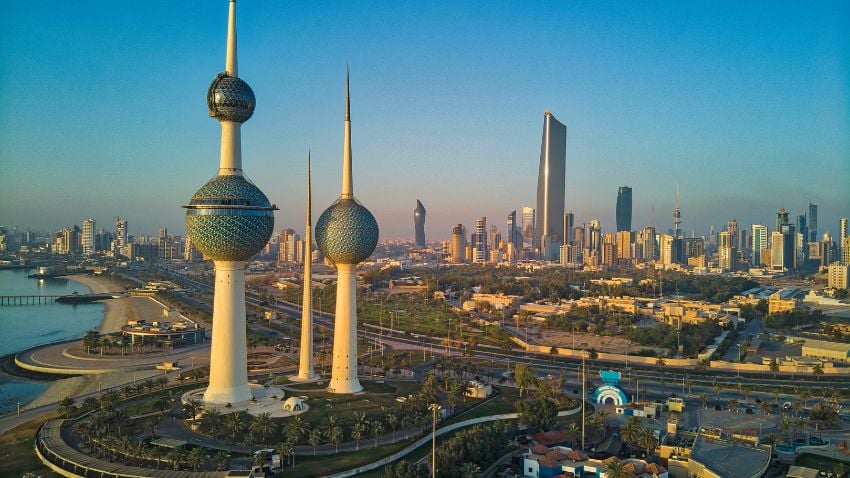
With its oil and gas resources, Kuwait prioritizes revenue generation through natural resources over taxes for residents
KUWAIT: ANOTHER MIDDLE EASTERN COUNTRY WITH NO PROPERTY TAX
Kuwait is a wealthy Middle Eastern nation well known for its tax-free environment. Like neighbouring countries such as Bahrain, Oman, and Saudi Arabia, Kuwait does not impose any property tax, making it an appealing option for real estate investors seeking to minimize ongoing costs.
The country’s strong economy is largely driven by oil and gas revenues, allowing the government to rely less on taxation and more on natural resource income. As a result, Kuwait’s tax advantages extend beyond real estate, as there is also no personal income tax, which continues to attract expatriates looking to maximize their earnings.
Although Kuwait has explored introducing a value-added tax, discussions around a proposed 5% VAT in 2025 remain stalled in parliament as of March 2026. This has effectively preserved Kuwait’s status as a largely tax-free jurisdiction for individuals.
With no property or income taxes and a resource-backed economy, Kuwait presents a compelling environment for those interested in real estate investment while maintaining a highly tax-efficient lifestyle.
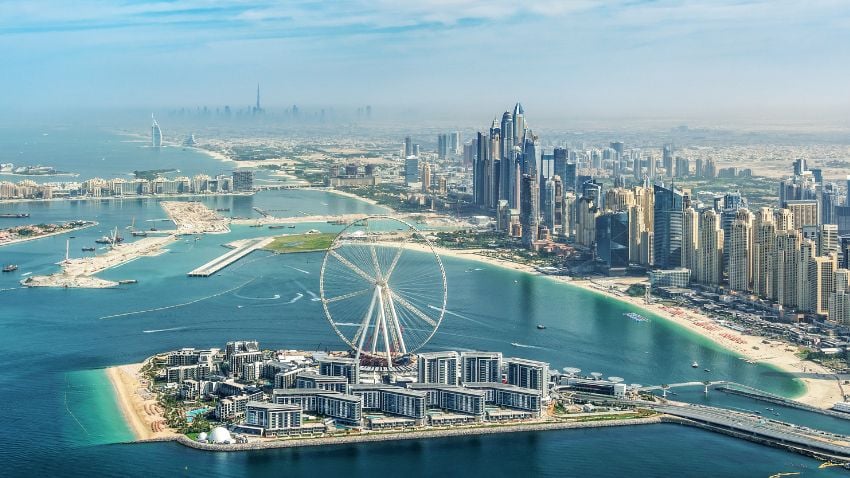
With no income tax, the UAE has become a hub for high-net-worth individuals looking to maximize their earnings
UNITED ARAB EMIRATES: A POPULAR DESTINATION FOR EXPATS WITH NO PROPERTY TAX
The United Arab Emirates is widely regarded as one of the most attractive destinations for expats seeking a tax-efficient lifestyle. The absence of personal income tax continues to draw high-net-worth individuals, helping offset the impact of the 9% corporate tax regime that became fully operational in 2025.
Beyond its tax advantages, the UAE offers a high standard of living, with world-class healthcare, top-tier education, and modern infrastructure. For property investors, one of the key benefits is the absence of annual property tax. Instead, buyers are subject to a one-time fee at the time of purchase, making long-term ownership more predictable and cost-efficient.
Dubai, in particular, has emerged as a global hotspot for real estate investment, driven by strong economic growth and a dynamic expat community. Recent policy updates have further enhanced its appeal. In 2026, the introduction of the Blue Visa offers a 10-year residency option for individuals contributing to environmental initiatives, which can be combined with property investment. At the same time, the Golden Visa program remains a major draw, with the property investment threshold set at 2 million AED, approximately $545,000 USD. New rules now allow investors to qualify through off-plan properties, with residency eligibility granted after an initial 20% payment.
With its combination of tax benefits, lifestyle advantages, and investor-friendly policies, the UAE continues to stand out as a leading destination for both expats and real estate investors.
Related content: Why I Moved My Family Out Of The UAE
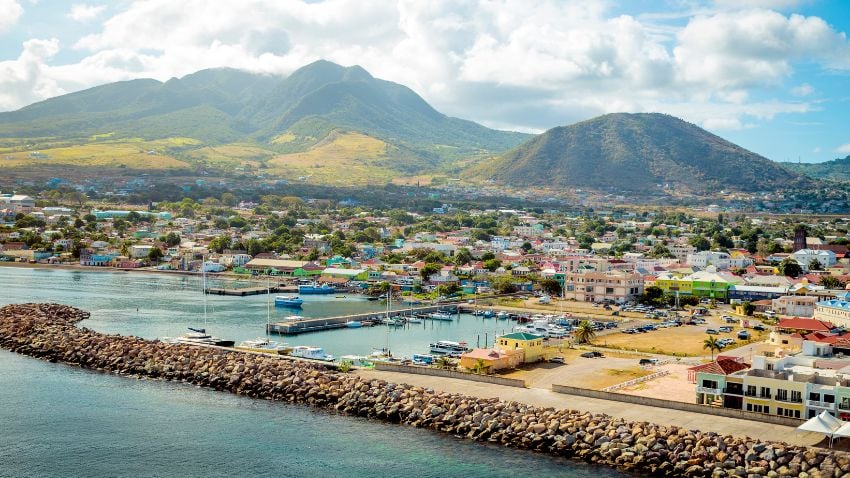
As one of the Caribbean nations with no property taxes, Saint Kitts and Nevis is an attractive destination for expats
SAINT KITTS AND NEVIS: A CARIBBEAN NATION WITH NO PROPERTY TAX
Located in the Caribbean, Saint Kitts and Nevis is renowned for its stunning beaches, lush rainforests, and scenic mountain landscapes. Beyond its natural beauty, the country offers a highly attractive benefit for property owners, as there is no annual property tax, making it an appealing destination for those seeking tax-efficient real estate ownership.
Recent reforms have further strengthened its position as a leading investment destination. Following the major 2024 to 2025 updates to the Citizenship by Investment program, the minimum real estate investment required to qualify for citizenship has stabilized at $400,000 USD for 2026. This provides investors with a clear and structured pathway to second citizenship alongside property ownership.
In addition to its financial advantages, Saint Kitts and Nevis offers a welcoming atmosphere and a diverse community of both locals and expats. Its relaxed Caribbean lifestyle, combined with a favourable tax environment and accessible investment options, continues to attract individuals from around the world.
With its unique blend of natural beauty, lifestyle appeal, and tax benefits, Saint Kitts and Nevis stands out as one of the top choices for those looking to invest in property while enjoying long-term financial and personal advantages.
Related content: St. Kitts And Nevis' Citizenship Program Undergoes Monumental Overhaul
CONCLUSION
In conclusion, owning property in countries with little to no property taxes can be a savvy financial decision for investors. As this article has shown, there are a variety of destinations where property taxes are either relatively low or non-existent altogether. For those looking to escape high tax rates, locations such as the Cook Islands and Bahrain present attractive options. Other countries, such as the Cayman Islands and Bermuda, offer a mix of tax advantages, including no property or income taxes. While these destinations may not be for everyone, it is clear that property taxes can be a significant burden for homeowners, and exploring options in tax-friendly locations can be a worthwhile step on your expat journey.






















 Mikkel Thorup: August 31, 2026