Costa Rica’s fame has been rising quietly as one of the most attractive destinations for expats in the Western Hemisphere. Those who have already experienced Costa Rica would definitely know how this small Central American nation, located between Nicaragua and Panama, rightfully deserves its reputation. Expats find literally everything they look for in there, such as political stability, natural beauty, a welcoming culture, easy residency options, and a territorial tax system. I have heard that many countries promote themselves as an expat paradise. However, Costa Rica has managed to turn that claim into a functioning reality for thousands of foreigners who relocate there every year.
Despite the small size of the country, it hosts 5% of the world's total biodiversity. Costa Rica has turned this advantage into a giant eco-friendly tourism sector that attracts millions of visitors from around the world every year. Instead of investing in heavy manufacturing, Costa Rica has built its economy on tourism, services, and finance.
However, anyone considering moving to Costa Rica must understand other factors such as taxation, healthcare, safety, cost of living, and the legal pathways to residency. In this article, we will walk through everything you need to know about relocating to Costa Rica.

Costa Rica is Pura Vida: a life of balance, nature, and everyday joy, where beaches, rainforests, and welcoming communities make it easy to slow down and truly live
COSTA RICA: THE COUNTRY OF PURA VIDA
Costa Rica has an exceptional quality of life based on nature, outdoor living, and a cultural philosophy known as Pura Vida. Literally translated as “pure life,” the phrase refers to a broader mindset that prioritizes balance, community, and enjoyment of everyday life.
Pura Vida is far more than a slogan. It is a true cultural attitude that values balance, simplicity, and enjoyment of everyday moments. Locals use the phrase as a greeting, a response, or even a way to express gratitude. You can take it as a warning to avoid constant urgency and embrace a slow-paced life through living in the moment.
It is also easier to live Pure Vida since you are surrounded by nature there. With beaches along the Pacific coast and lush rainforests, waterfalls, volcanoes, and hundreds of national parks inland, Costa Rica makes it easy to relax and enjoy life. You can build a life there by hiking, surfing, watching wildlife, or simply spending time in nature.
There are several different regions in Costa Rica popular among expats. The most popular are below:
-
Central Valley: Those who would like to live in central cities usually choose the Central Valley. San José, Escazú, and Santa Ana have developed infrastructure, international schools, private healthcare facilities, and modern housing options. Thus, many professionals and expat families prefer to live in these cities, as they both offer modern amenities and access to nature.
-
Pacific Coast: Not every expat is into big cities. Towns such as Tamarindo, Jacó, and Nosara have become major hubs for expat communities on the Pacific coast. Digital nomads, entrepreneurs, and retirees who prefer a beach-oriented lifestyle usually choose to live in these cities. With a growing international population, restaurants, yoga studios, international schools, and co-working spaces have emerged in the region.
-
Southern Zone: If you travel further south, you will find beautiful cities such as Uvita and Dominical, which appeal to expats seeking an even quieter, more nature-focused environment. Sure, this region remains less developed than the northern coast, but it is what makes it suitable for ecological living.
-
Lake Arenal: There is also a wonderful place for those looking for a mountainous area in Costa Rica. Lake Arenal, located in the mountainous interior of the country, has cooler temperatures, dramatic volcanic scenery, and well-established expat communities.
As a matter of fact, wherever you live in Costa Rica, it is easy for you to build a life in harmony with nature. It is up to your preferences how much nature you want to be exposed to there. Whatever you choose, Costa Rica will fulfill your lifestyle expectations.
Related content: 7 Latin American Cities With The Best Year-Round Climate
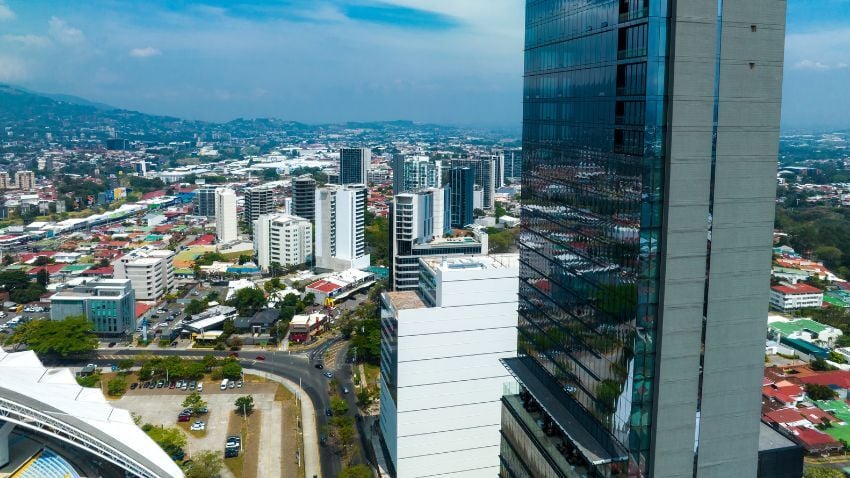
Costa Rica is a strong expat destination, offering territorial taxation, affordable private healthcare, and a stable lifestyle that balances practical essentials with quality of life
IS COSTA RICA A GOOD DESTINATION?
Lifestyle alone is not enough when making a long-term relocation decision. Expats also need to consider practical factors such as taxation, healthcare, safety, education, infrastructure, and the cost of living. These elements determine whether a country can support not only an enjoyable lifestyle but also a stable and sustainable life abroad.
TAXES IN COSTA RICA
The territorial tax system is one of the first factors you should check regarding the destination you are planning to relocate to. Costa Rica has an established and well-tried territorial tax system, which generally taxes incomes generated in the country. Foreign-sourced income, such as dividends from overseas investments, foreign pensions, or income earned from businesses outside the country, is typically not subject to Costa Rican income tax.
HEALTHCARE IN COSTA RICA
Public and private healthcare systems in Costa Rica work together. Although residents who obtain legal status are required to enroll in the public system, many expats choose private healthcare for faster access to specialists, English-speaking staff, modern technology, and shorter waiting times. Moreover, the prices are quite affordable, as private health insurance typically costs between $60 USD and $250 USD. Costa Rica has also developed a strong medical tourism reputation, which attracts patients from North America who seek high-quality treatment at lower costs.
Related content: Where Expats Find The Best Healthcare In Latin America
HOW SAFE IS COSTA RICA?
Safety is another important consideration for relocation. Costa Rica has long been regarded as one of the safest and most stable countries in Central America. This is a well-earned reputation often described as “Costa Rican exceptionalism.” Its relatively lower levels of violent crime support this image.
However, it doesn’t mean that Costa Rica is free from crime. The possibility of violent crime still exists. Petty theft and non-violent offences are more common in larger cities and some tourist areas. That said, in recent years, the country’s homicide rate has increased, reaching roughly 17.2 per 100,000 inhabitants. These incidents are largely linked to drug-trafficking disputes concentrated in specific regions, such as certain port provinces. But tourist areas and established expat communities are generally safe, with basic security precautions.
Related content: Safety Tips For Expats: The Only Guide You'll Ever Need
EDUCATION IN COSTA RICA
If you are a family with children, the first thing you think of is the school options available in the destination country. Fortunately, Costa Rica offers several educational options. In the San José metropolitan area and major expat regions, international schools provide English-language education and globally recognized curricula such as American, British, or International Baccalaureate programs.
Families interested in deeper cultural integration may also prefer local Spanish-language schools, which are widely available. However, many expat families choose international schools initially while their children gradually adapt to the local language and culture.
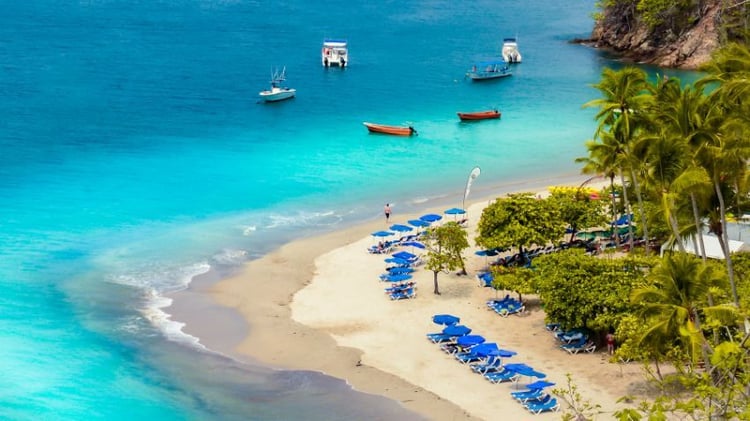
Costa Rica offers strong connectivity, reliable internet, and modern comforts, with a nature-rich lifestyle that appeals to remote workers, expats, and families seeking flexibility and balance
CONNECTIVITY AND INFRASTRUCTURE
Don’t let Costa Rica fool you with its small size. It is well-connected to the international economy through direct flights to major U.S. cities and other global hubs. Costa Rica’s digital connectivity has also improved significantly in recent years. Reliable internet service is widely available in major expat regions. As a result, Costa Rica has become increasingly attractive for remote workers and digital nomads who want to enjoy both professional flexibility and a high quality of life.
THE COST OF LIVING IN COSTA RICA
Costa Rica is kind of a heaven for those looking for a life immersed in nature without leaving behind all the modern amenities and luxuries we take for granted. Even though the general cost of living in Costa Rica is far lower than in North America or Europe, it is not the cheapest country in Latin America.
Giving examples of common expenses may give you a good understanding of the cost of living there. If you are single, your monthly daily expenses, including groceries, transportation, utilities, and occasional dining out, would be around $970 USD. Including rent will raise the amount to between $1,900 USD and $2,660 USD. Sure, it depends on where you rent the apartment and how big it is.
If you are a family, the calculation can get a little bit more complicated. The base monthly cost averages around $3,600 USD, excluding rent. However, most expat families spend between $3,500 USD and $4,500 USD per month, including housing. Those families who choose international schools, private healthcare, beach communities, or domestic help may see their monthly budgets rise to $5,000 USD - $8,000 USD or more. It all depends on what kind of life you like to have there.
BEST VISAS TO MOVE TO COSTA RICA
Attracting expats is an established public policy of Costa Rica, and the visa programs are proof of this political preference. The country has several residency paths just developed for expats, retirees, investors, and digital nomads. Each visa category targets a different profile of international residents to give applicants flexibility depending on their financial situation and long-term plans.
After maintaining legal status for several years, typically three years of temporary residency, many of these visa programs can lead to permanent residency. However, if you like to apply for citizenship, you typically need to hold your residency for seven years. Below are the most common options available to expats who want to relocate to Costa Rica.
PENSIONADO VISA (RETIREE RESIDENCY)
The Pensionado Visa is one of the most popular residency options in Costa Rica, which allows retirees with a stable pension income to live in Costa Rica as long as they have their pension. You can have this visa just by proving a monthly minimum income of about $1,000 USD. It grants two years of temporary residency that can be renewed as long as the pension continues.

Costa Rica’s Digital Nomad Visa lets remote workers stay up to two years with qualifying foreign income, offering tropical lifestyle freedom without a direct path to permanent residency
RENTISTA VISA
Even if you are not reteered yet, showing proof of reliable passive income also works for the Rentista Visa. However, financial thresholds are higher with this one:
-
$2,500 USD in guaranteed monthly income, or
-
A $60,000 USD deposit in a Costa Rican bank, typically covering two years of residency.
Having an investment income, rental income, or other passive revenue streams can help you apply for this visa. It also grants you a temporary residency for two years.
INVESTOR VISA
Investment is a good way to apply for residency in Costa Rica. Applicants must make a qualifying investment, with a minimum investment of $150,000 USD, often in real estate, a business, or another approved economic activity that supports the local economy. This one also provides two years of residency in Costa Rica.
DIGITAL NOMAD VISA
Digital nomads are also not forgotten in Costa Rica, with the Digital Nomad Visa. Digital nomads who can demonstrate a minimum monthly income of about $3,000 USD for individuals or $4,000 USD for families, earned from foreign employers or clients, can apply for the program.
The visa usually allows remote workers to stay in Costa Rica for one year, with the possibility of renewing for an additional year. However, this one doesn’t lead you to permanent residency.
Related content: Easiest Countries To Immigrate To From The U.S.
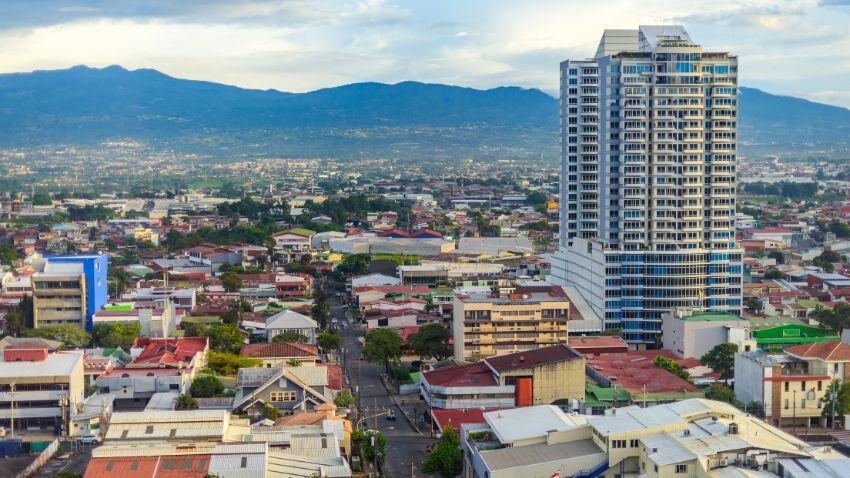
Costa Rica stands out for expats with political stability, natural beauty, Pura Vida culture, and modern comfort, offering a rare balance between everyday ease and nature-focused living
CONCLUSION
Costa Rica has earned its reputation as one of the most attractive destinations for expats in the Western Hemisphere. It checks every box for expats: political stability, natural beauty, a territorial tax system, a welcoming society, a favourable climate, and a relaxed cultural atmosphere. The Pura Vida lifestyle, the country’s extraordinary biodiversity, and the everyday connection to nature appeal not only to retirees but also to remote workers, entrepreneurs, and families looking for a different pace of life.
However, Costa Rica is not the lowest-cost destination in Latin America. Expats usually do not mind the relatively higher costs there because of its stability, strong institutions, and welcoming environment. If you are in search of a balance between modern convenience and a nature-oriented lifestyle, Costa Rica is still one of the most compelling options in the region.
However, there are many other great expat destinations to explore in Latin America. If you haven’t built your Plan-B yet, take the first step by downloading our free special report on Plan-B Residencies & Instant Citizenships.






















 Mikkel Thorup: September 07, 2026