Germany became the country that accepted the most immigrants in the world during the economic boom that followed the 1950s. It became the industrial leader of Europe and was known for its engineering precision and punctuality.
It is no longer the country of technological innovation and economic efficiency that it once was. But to be fair, which country in Europe is still today? The continent increasingly feels like a fading civilization, slowly turning into an open-air museum. Of course, it is also the country where you can hit the gas pedal on the highway without worry, if that’s your thing. Beyond that, there isn’t much freedom left to enjoy in Germany.
However, it is still one of the most beautiful countries in Central Europe, and the overall cost of living in Germany is slightly lower than in North America. Of course, this comparison does not include the country’s high tax burden. The gap between what you earn and what you actually take home is wider than most people realize before making the move.
In this article, I explore the real cost of living in Germany by examining everyday expenses so you can gain a realistic understanding of what it costs to live there.
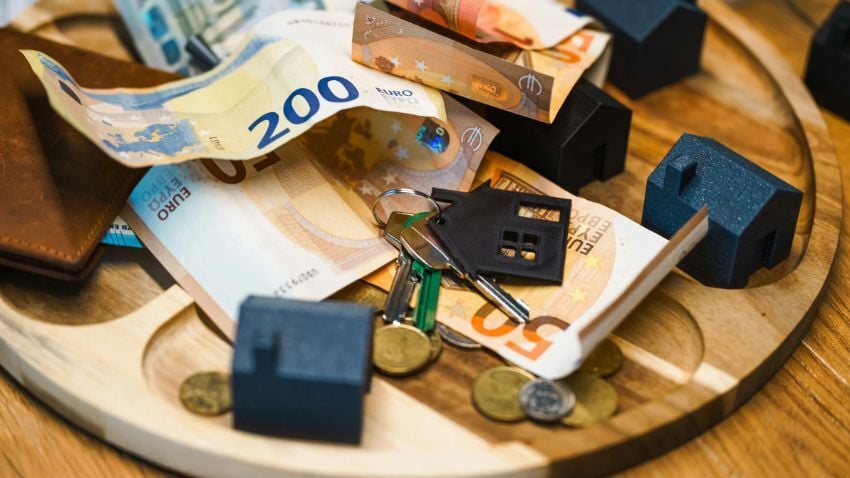
Housing in Germany is priciest in Munich and Frankfurt, with higher rents in major cities. Mid-sized and eastern cities like Hanover, Leipzig, and Dresden offer more affordable options
AN OVERVIEW OF THE COST OF LIVING IN GERMANY
The monthly cost of living in Germany, for a single person, excluding rent, runs around $1,150 USD. In a city center, the cost of a one-bedroom apartment rises to about $2,100 USD per month. As a family, your total monthly costs for a three-bedroom city-center apartment would be between $5,300 and $5,700 USD.
If you opt for an upscale neighbourhood, international schools, or private healthcare, expenses can quickly skyrocket. Annual tuition at an international primary school can reach around $17,500 USD, and rents in upscale neighbourhoods can easily approach $5,000 USD per month. For that reason, Germany is not necessarily an inexpensive destination for expats, especially if you rely on private services that are usually provided through the public system.
HOUSING COSTS: RENT AND REAL ESTATE
Rent is the largest expense for most expats, and with a limited housing supply, rents tend to be higher in major cities. Thus, costs vary considerably depending on whether you are in Munich or Frankfurt, or in a mid-sized city like Hanover or Leipzig.
|
Type of Housing
|
Average Monthly Cost (USD)
|
|
1-Bedroom Apartment - City Centre
|
$946 USD
|
|
1-Bedroom Apartment - Outside City Centre
|
$731 USD
|
|
3-Bedroom Apartment - City Centre
|
$1,777 USD
|
|
3-Bedroom Apartment - Outside Centre
|
$1,359 USD
|
For those considering buying, the average price per square foot in a city center runs around $6,250 USD, and $4,200 USD outside the center. Munich and Frankfurt sit well above those averages. Eastern German cities like Dresden and Leipzig are more affordable.

Germany’s supermarkets offer affordable basics, but meat, imports, and specialty items cost more. Couples usually spend about $400–$600 USD per month on groceries
GROCERY COSTS IN GERMANY
Germany's supermarket culture, with supermarket chains like Aldi, Lidl, Rewe, and Edeka, is efficient and well-organized. Basic staples are reasonably priced by European standards, though meat, imported goods, and specialty items tend to cost noticeably more than in North America.
|
Common Grocery Items
|
Average Price (USD)
|
|
Dozen Eggs
|
$3.90 USD
|
|
Chicken Fillets (1kg)
|
$12.80 USD
|
|
Beef Round (1kg)
|
$21 USD
|
|
Bananas (1kg)
|
$2 USD
|
|
Local Cheese (1kg)
|
$15 USD
|
|
Wine (Mid-Range Bottle)
|
$7 USD
|
|
Domestic Beer (0.5L Bottle)
|
$1 USD
|
A couple shopping at local supermarkets should budget between $400 USD and $600 USD per month on groceries.
TRANSPORTATION
Germany has one of the most developed public transportation networks in the world. The U-Bahn, S-Bahn, trams, and regional rail system can make car ownership optional for most big city residents.
|
Transportation-Related Costs
|
Average Price (USD)
|
|
One-Way Public Transport Ticket
|
$3.80 USD
|
|
Monthly Public Transport Pass
|
$67 USD
|
|
Gasoline (1 Litre)
|
$2 USD
|
|
Volkswagen Golf 1.5
|
$33,800 USD
|
Public transportation is reliable, as Germans are known for their punctuality. The car market is also extensive, with options for all needs, reflecting Germany’s position as one of the world’s leading automobile manufacturers.
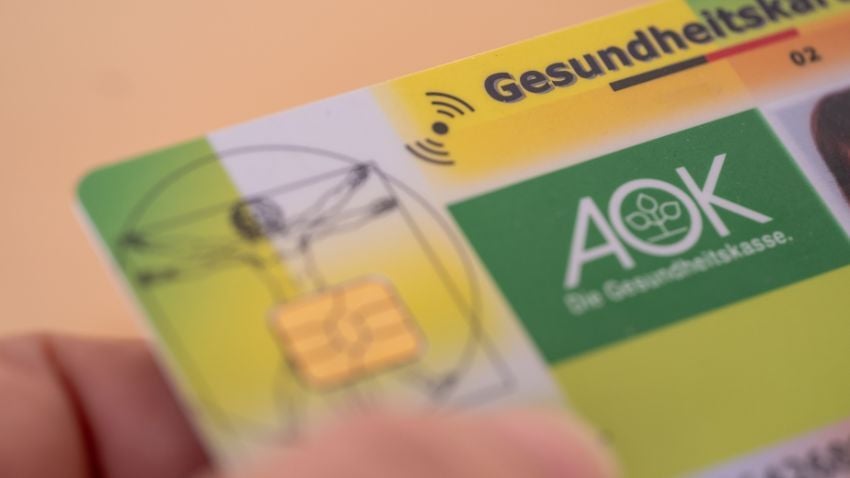
Germany offers solid healthcare, but it comes at a cost. Public coverage has long waits and bureaucracy, while insurance contributions or private plans can be expensive
UTILITIES, INTERNET, AND MOBILE SERVICES
Germany’s utility costs are above the European average. The country’s energy transition policies have pushed electricity prices to relatively high levels.
|
Utilities & Communication Costs
|
Average Price (USD)
|
|
Utilities (Electricity, Heating, Water, Garbage)
|
$350 USD/month
|
|
High-Speed Internet (60 Mbps+)
|
$50 USD/month
|
|
Mobile Phone Plan (10GB+ Data)
|
$27 USD/month
|
You can expect to spend around $500 USD a month on basic utilities, which is a significant amount, especially when added to rent, groceries, and the tax burden.
HEALTHCARE: COMPREHENSIVE, BUT YOU'RE PAYING FOR IT
Although the public healthcare system may be better than that of most other European countries on average, typical dysfunctions, such as long waiting times for specialist doctors, underfunding, and red tape, are common here as well. If you are employed in Germany, you also pay into statutory health insurance at roughly 14.6–17.5% of your gross salary, which is split equally between you and your employer. Self-employed individuals or expats looking for better and faster services can have private insurance ranging from $400 USD to $1,200 USD/month, depending on age and coverage.
A COMPARISON TO THE U.S. AND CANADA
On average, Germany is about 1.8% more affordable than the U.S. when rent is excluded from the cost of living. Once rent is included, overall costs are about 14% lower in Germany compared to the U.S. Thus, the main difference comes from rent, which is around 40% lower in Germany.
The situation is a little bit different for Canada. The average cost of living in Germany, excluding rent, is 9% more expensive than in Canada. However, once rent is included in the calculation, Canada becomes 0.4% more expensive than Germany. This is due to rapidly rising rents in Canada in recent years.
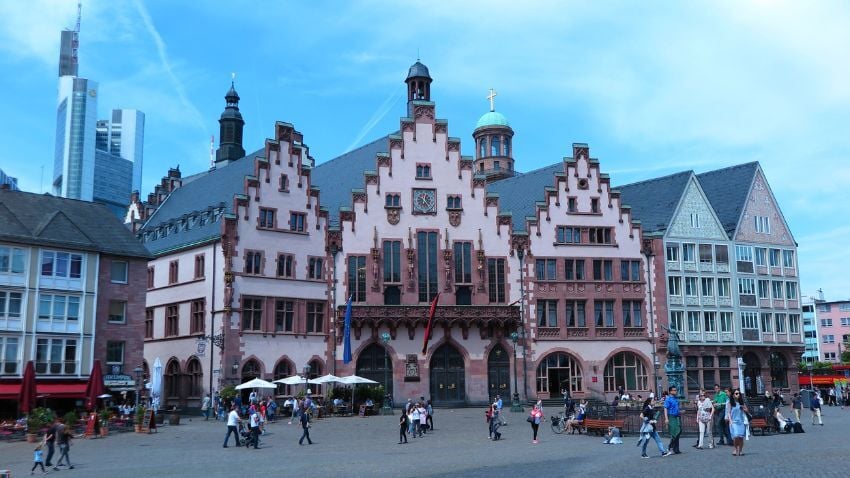
Germany offers great infrastructure and quality of life, but high taxes, strict rules, and limited financial upside make it a weak choice for expats seeking more freedom and value
CONCLUSION
Germany is a remarkable country, with infrastructure and quality of life in cities like Munich, Hamburg, or Freiburg that are genuinely great. If you are comfortable with Germany’s strict rules governing even simple aspects of daily life, you can adapt quite well there.
As an expat destination, however, Germany is not on my list of recommendations. It is a welfare state, tax hell, facing a demographic crisis alongside economic stagnation. Although the cost of living can be slightly lower than in North America, it doesn’t offer expats seeking financial freedom any advantage.
That is why Germany does not make sense for people looking to stretch their money further or put themselves in a stronger position than they are in today. For that, there are far better options. That's exactly what building a real Plan-B abroad is about: finding countries that reward you for being there rather than taxing you into compliance.
If you want to explore those options, download our free special report on Plan-B Residencies & Instant Citizenships. There is no better time to start.





 Mikkel Thorup: March 31, 2026