Being a Canadian, I always get asked why I moved out of my home country and decided to explore the world. Many Westerners freak out when they see another Westerner move abroad to make more money or reclaim their freedom.
After over 25 years of experience living internationally, I can confidently say that I don’t regret leaving Canada, especially after what’s happened since 2020. I chose Panama because it ticked all my boxes: great location, excellent infrastructure, affordable living costs, and a tax-friendly system.
Now, with Panama formally approving the Economic Complementation Agreement (ACE) No. 76 with the Mercosur bloc through Law No. 489, sanctioned on October 13, 2025, we are witnessing a pivotal shift in the country’s role on the international stage. This isn’t just another trade agreement—it’s a major strategic move that will impact businesses, investors, and expats.
In this article, we will look at the practical implications of Panama’s integration process with Mercosur.
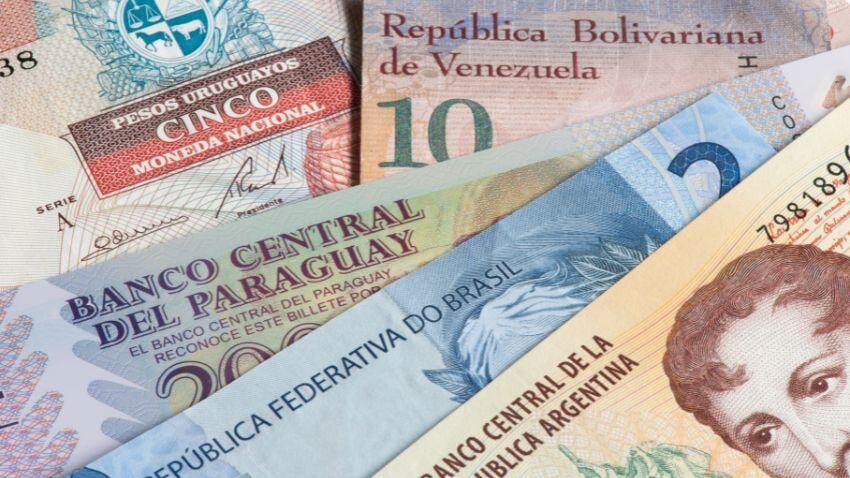
Panama strengthens ties with Mercosur, gaining access to a 270M-consumer market and boosting its role as a global logistics hub, enhancing trade and investment opportunities
EXPANDED MARKET ACCESS AND TRADE BENEFITS
One of the most immediate benefits of Panama’s closer integration with Mercosur is preferential access to a market of more than 270 million consumers, representing one of the largest economic blocs in South America.
Panama’s economy, traditionally centred around logistics, services, and finance, now has the opportunity to expand its export potential by leveraging Mercosur’s demand in sectors like agroindustry, manufacturing, and high-value services. The ACE No. 76 lays out the mechanisms for progressive elimination of tariff and non-tariff barriers and introduces a clearer, more predictable legal environment for cross-border trade.
STRENGTHENING PANAMA’S ROLE AS A GLOBAL LOGISTICS HUB
Panama’s geographical advantage as a logistics powerhouse is further reinforced by its association with Mercosur. The country’s well-developed logistics infrastructure, including the Panama Canal and the Colon Free Trade Zone, provides an efficient gateway for Mercosur goods heading to global markets.
The Panama Canal remains a critical global trade route, handling 6% of the world’s maritime transportation. However, recent political rhetoric from the United States, particularly from the elected President Donald Trump, has raised concerns about potential interference.
Under this agreement, Panama positions itself as a strategic bridge for the flow of Mercosur goods heading toward global markets. This enhances the country’s appeal for foreign investment in logistics, infrastructure, and technology.
President José Raúl Mulino emphasized that Panama and Mercosur are “complementary,” noting that Panama’s logistical expertise enhances the bloc’s competitiveness in international trade.
Related content: Is Trump Coming For The Panama Canal?
INCREASED INVESTMENT AND ECONOMIC DIVERSIFICATION
Beyond trade, Panama’s integration into Mercosur paves the way for increased foreign direct investment (FDI). Investors from Argentina, Brazil, Paraguay, and Uruguay now have more confidence in Panama’s market, given the strengthened economic and political ties within the bloc. This move also positions Panama as a more attractive destination for companies looking to establish a regional presence within Latin America.
For Panama, which has long relied on its service-based economy, this agreement opens doors to industrial and agricultural expansion. The potential for collaboration in agribusiness is particularly relevant, as Mercosur countries are global leaders in agricultural production. With preferential trade terms, Panama can import raw materials from Mercosur at lower costs, boosting local production and exports.
POLITICAL AND INSTITUTIONAL COMMITMENTS
Beyond the economic benefits, Panama’s adherence to the Ushuaia Protocol shows its commitment to Mercosur’s democratic principles and regional stability. This process began with the signing of ACE No. 76 in 2024 and became official with the approval of Law No. 489 in October 2025.
During the Mercosur Summit, leaders highlighted that Panama’s integration supports sustainable development and political cooperation across the region. As Panama begins bilateral negotiations with each Mercosur country, new areas of coordination will emerge, especially in regulations and institutional practices.
By aligning with Mercosur’s standards, Panama strengthens its credibility as a stable and reliable partner. From now on, this cooperation is expected to expand into areas such as innovation, migration, and security, positioning Panama as an important link between Central and South America.
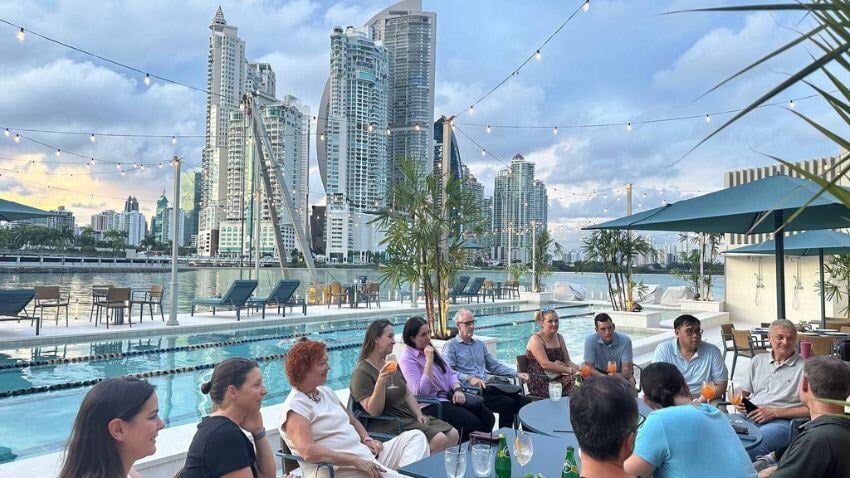
Panama City’s stunning infrastructure captivates visitors, while its integration with Mercosur promises new opportunities, blending modernity with strategic economic growth
CHALLENGES AND CONSIDERATIONS
While the agreement brings many opportunities, Panama will also navigate some natural adjustments as it integrates with Mercosur’s trade framework. Local businesses may need time to understand new regulations, align with regional standards, and adapt to a broader competitive environment.
Another aspect still under discussion is the movement of people. As an Associated State, Panama does not yet have automatic access to Mercosur’s free-movement system. Questions such as whether travel will require passports, national IDs, or specific documentation will be clarified through upcoming bilateral negotiations with each Mercosur country.
As these conversations progress, more precise guidelines will emerge regarding travel, residency, and labour mobility within the region.
Overall, these considerations are part of a gradual integration process, and Panama is well-positioned to manage them as it strengthens cooperation with Mercosur.
Related content: Obtaining Citizenship Under The Mercosur Agreement
CONCLUSION
Panama’s entry into closer cooperation with Mercosur marks an important step in strengthening its role within the region. With the approval of ACE No. 76, the country gains new opportunities in trade, investment, and institutional collaboration, while also reinforcing its commitment to democratic principles and regional stability.
As bilateral negotiations move forward, Panama will be able to shape specific agreements that reflect its strengths in logistics, services, and connectivity. This gradual approach allows the country to integrate at its own pace, creating space for businesses, investors, and institutions to adapt smoothly.
For investors and expats, this development further solidifies Panama as an ideal location for long-term wealth protection, international business, and personal freedom. The Qualified Investor Visa remains one of the best options for those looking to make Panama their home, and with Panama’s deepening economic ties to the region, there has never been a better time to consider this opportunity.
If you’ve been on the fence about investing in Panama or are concerned about potential immigration changes, now is the time to act. Start taking the first steps by getting our free special report on “Plan-B Residencies & Citizenships.”



%20Brazil%20The%20Cash%20Cow%20Opportunity%20That%20I%20Couldn%E2%80%99t%20Ignore%20Any%20Longer-1.jpg?width=800&height=429&name=(BLOG%20BANNER)%20Brazil%20The%20Cash%20Cow%20Opportunity%20That%20I%20Couldn%E2%80%99t%20Ignore%20Any%20Longer-1.jpg)
















 Mikkel Thorup: October 06, 2026