Chile is one of the first countries that comes to mind when considering politically stable and economically disciplined nations in Latin America. It attracts attention for its diverse geography, stretching along the Pacific from the Atacama Desert to Patagonia’s glaciers.
It stands out in Latin America for its organized cities, modern infrastructure, and relatively high standard of living. Daily life feels orderly and functional, and decades of open trade, financial development, and economic stability have made the country attractive to expats, professionals, and investors alike.
Chile also has many downsides. In recent years, social unrest, constitutional debates, and rising living costs have diminished the country's appeal. Chile’s famous institutional stability has been questioned of late. There are some significant issues to be considered by expats looking for a long-term base for their Plan-B, such as a non-favourable taxation system and problems related to cultural integration.
However, conservative leader José Antonio Kast won the 2025 presidential election, reflecting the broader rightward shift across the region. This political shift could bring significant progress toward predictability and pro-market reforms in Chile. I will be following developments.
With its ups and downs, Chile holds a special place in my heart, not only because of its culture and nature, but also because our third child was born there. In this article, I break down the pros and cons of living in Chile as an expat.
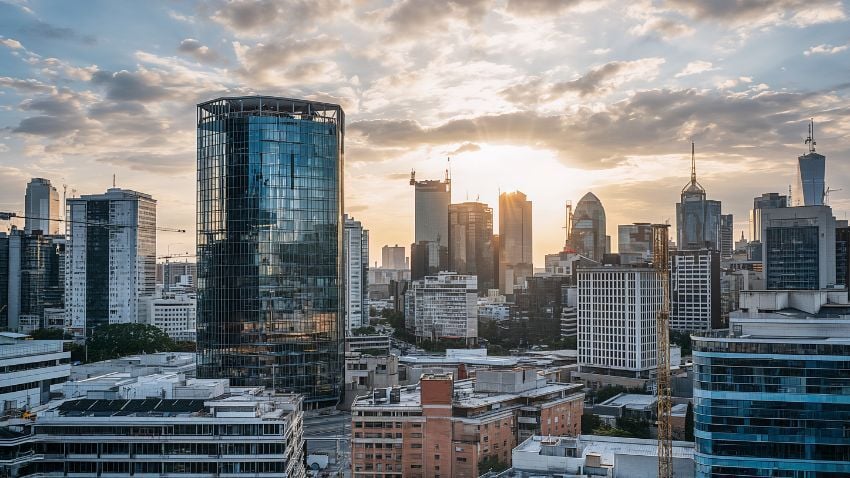
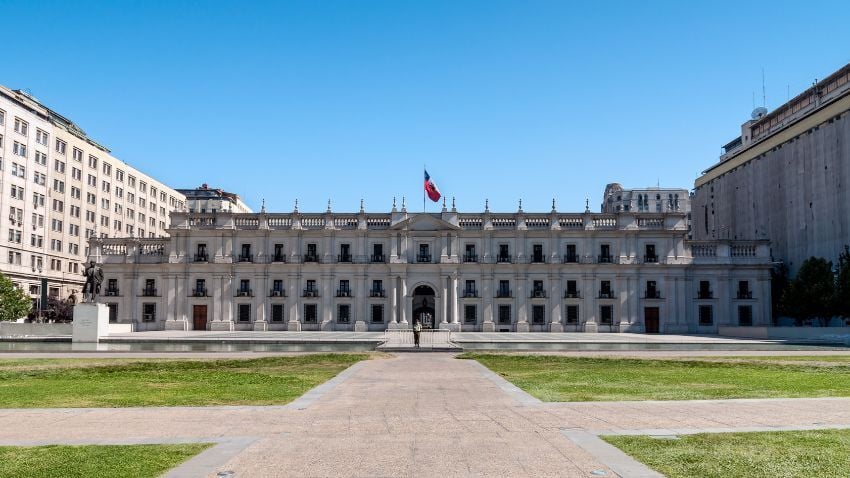
Living in Chile offers stability, modern cities, and a high quality of life
PROS OF LIVING IN CHILE
Let’s start with the positives. From macroeconomic stability to urban development and natural diversity, Chile offers several advantages worth highlighting.
STRONG INSTITUTIONS
One of Chile's primary strengths is its reputation for fiscal discipline and robust institutions. Chile has demonstrated its institutional strength through decades of political and economic stability. Independent courts that respect property rights and contracts reassure Chilean citizens and foreign investors. Expats with experience in less predictable jurisdictions find Chilean consistency quite attractive, although far from perfect.
EXCELLENT PRIVATE HEALTHCARE
I highly appreciate the excellent and affordable private healthcare services available in many modern Latin American countries. Chile is a great example, with a strong private healthcare system. In cities like Santiago, private hospitals are among the best in Latin America, offering modern facilities, shorter wait times, and international-level standards. By paying affordable private insurance premiums, typically ranging from $100-$400 USD per month per person, expats can benefit from this huge advantage. Leading hospitals such as Clínica Alemana de Santiago provide advanced care across specialties, meet international standards, and have Western-trained doctors. We were very pleased with the customized healthcare we received during my wife's delivery and experienced firsthand the quality of Chile's healthcare system.
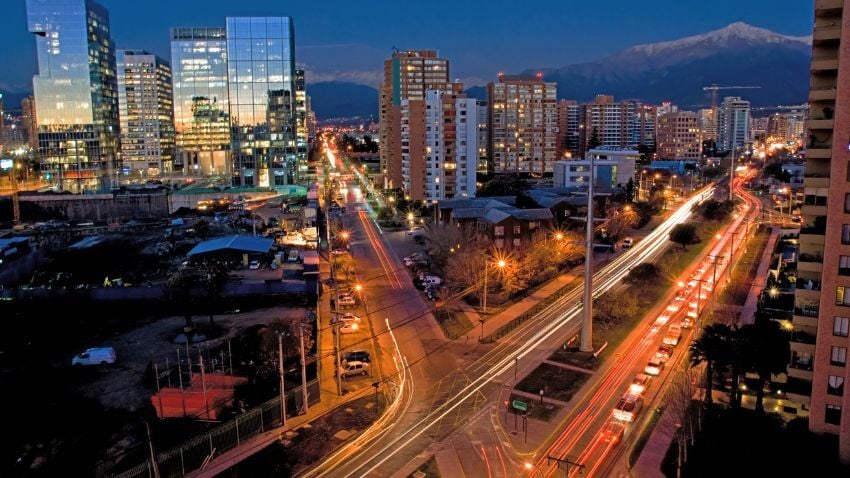
Living in Chile offers modern urban life with excellent amenities, while the cost of living in Chile remains significantly lower than in the U.S., boosting the overall quality of life
MODERN URBAN LIFE
Along with functional public institutions, Chilean city centres also provide modern amenities and urban comfort that surprise many newcomers. Neighbourhoods in Santiago, such as Providencia, Las Condes, and Vitacura, are favourites among expats seeking luxury, comfort, and security. You will find modern apartment buildings, excellent private hospitals, international schools, shopping centres, and an efficient transportation network. Compared to some less developed Latin American capitals, Santiago feels orderly, vibrant, and well-connected.
NATURAL DIVERSITY
The geographic variety in Chile is unbelievable. You can experience the driest desert on earth in the north, fertile wine valleys in the centre of the country, and dramatic glaciers and fjords in Patagonia. Outdoor activities specific to these regions are also part of everyday life in Chile. Hiking, skiing, climbing, and long-distance road trips are part of the national identity. If you are an expat who values access to nature and open space, Chile will not disappoint you with its environmental diversity.
THE COST OF LIVING
Although Chile isn’t the most affordable country in the region and inflation has increased costs somewhat in recent years, it still offers significant advantages compared to North America and most of Europe. Comparing the cost of living in Chile with that in the U.S. reveals significant advantages in Chile. Excluding rent, U.S. expenses are about 73% higher. When rent is included, total living costs are nearly 103.3% higher in the U.S. than in Chile. Restaurant prices are about 44.1% lower, and groceries cost around 41.9% less in Chile compared to the U.S. If you earn in dollars, relocating to Chile can mean a substantial boost in your purchasing power.
EASY RESIDENCY OPTIONS
Like many other expat destinations in Latin America, Chile offers pretty straightforward residency options for expats. The startup visa for entrepreneurs is one of the options you can apply for if you want to develop your business in Chile. If you have stable foreign income, Chile’s Temporary Residence (financial means) route could be suitable for you. After two years of temporary residency, you may apply for permanent residency. After five years of residence in Chile, you can apply for citizenship. However, you will need to demonstrate basic proficiency in Spanish and provide proof of integration into Chilean society.
COOLING POLITICAL POLARIZATION
Since 2019, Chile has experienced waves of protests and attempts at constitutional reform. Although Chile’s strong political stability and robust institutions have worked quite well during these turbulent times, political polarization has increased. Debates around pensions, redistribution, and the role of the state have been active and visible since then.
Nevertheless, conservative leader José Antonio Kast won the 2025 presidential election by a wide margin, bringing an end to a period of political uncertainty. His promises to improve public safety and implement pro-market economic reforms played a major role in his electoral victory. Political change in Chile also reflects the broader rightward shift across Latin America. Right-wing leaders have been winning victories in the region with their promise of market-oriented reforms and a tougher stance on gang-related violence. With the new political trend in the region, expats can expect more opportunities for their long-term strategic plans. President Kast’s recalibration of Chilean politics will be an important part of this pro-market shift in Latin America.
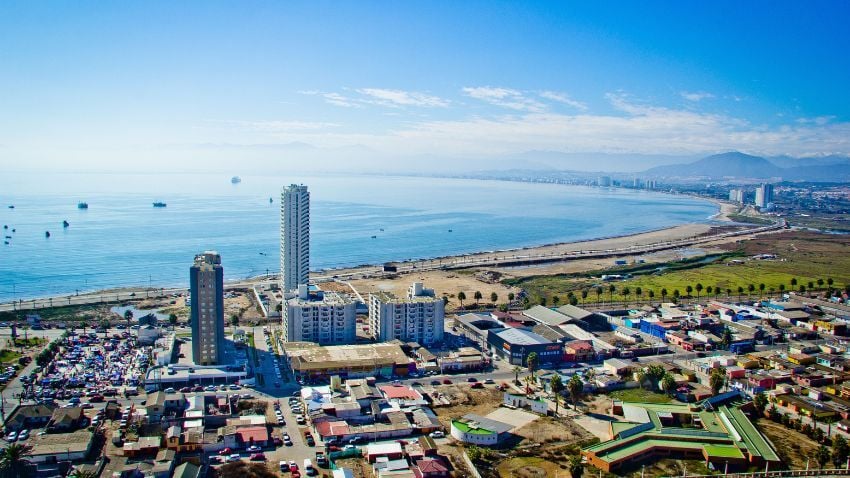
Living in Chile comes with drawbacks like global taxation, while safety in Chile, though still relatively strong for the region, has declined in recent years
CONS OF LIVING IN CHILE
Although Chile offers stability, predictability, and macroeconomic discipline, it is not a low-cost paradise or a tax-friendly haven. Certain downsides make it less attractive for some expats.
WORLDWIDE TAXATION
The biggest downside of living in Chile is the tax system. Residents are generally taxed on their worldwide income. Although there may be transitional arrangements for new residents, long-term settlers must account for global income exposure. Considering excellent alternatives like Paraguay and Panama, with their territorial tax systems, Chile loses much of its appeal for tax-related issues.
SAFETY IN CHILE
Chile has long been considered one of the safer countries in Latin America. However, in recent years, drug trafficking and organized crime have increased, and the latest presidential race was partly shaped by candidates’ proposals on how to secure the borders and reduce gang-related violence. Nevertheless, homicide rates are still around 6 in 100,000 residents, which is considerably lower than the regional average. Numbeo's Safety Index scores Chile around 40 based on visitor perceptions, which is lower than that of some other expat destinations in the region.

Living in Chile can be challenging due to cultural and language barriers, while natural risks like earthquakes are also an important factor to consider
CULTURAL INTEGRATION AND LANGUAGE
Chilean Spanish is fast and highly localized, which can make language adaptation more challenging than in some other Latin American countries. Social circles can also be relatively closed. The adaptation of expats to their new country always requires learning basic commands of the local language. Chilean Spanish is known for its speed, heavy slang, and distinctive pronunciation. Even fluent Spanish speakers from other countries sometimes struggle during their first months in Chile. That kind of language barrier might be a factor to consider before relocating to Chile.
EARTHQUAKE RISK
I would also like to mention the earthquake risk, as natural disasters should be an important factor when considering a country as a long-term option. Chile is a seismically active country, and major earthquakes are part of the national history. Although buildings are constructed with this reality in mind, the geological risk is permanent.
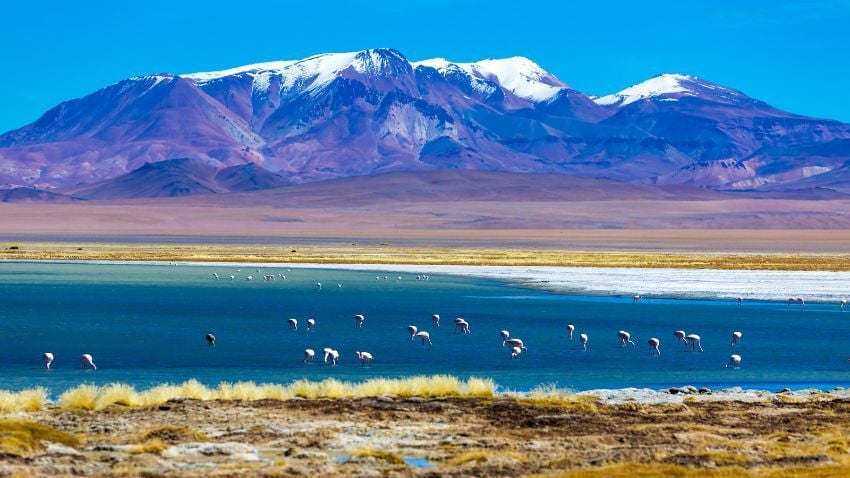
Living in Chile offers stability, modern comforts, and natural beauty, but it also comes with tax, integration, and risk factors that expats should carefully consider
CONCLUSION
Chile offers institutional reliability, modern urban comfort, excellent private healthcare, lower cost of living, and breathtaking natural diversity. Professionals and families seeking stability in South America tend to consider Chile at the top of their list. Chile’s high standard of living, along with its political and economic stability, plays an important role in shaping expats’ decisions.
However, you should also keep in mind that Chile isn’t an expat heaven, the cheapest option in the region, or immune to political disruptions or security challenges. Tax-related complications, integration barriers, and seismic risk are real factors that must be considered carefully.
Despite its strengths, Chile does not offer enough flexibility or optionality for those seeking an ideal Plan-B destination. There are plenty of other great options in Latin America that surely align with expats' long-term plans. To start building your Plan-B, download our free special report on Plan-B Residencies & Instant Citizenships.



%20Brazil%20The%20Cash%20Cow%20Opportunity%20That%20I%20Couldn%E2%80%99t%20Ignore%20Any%20Longer-1.jpg?width=800&height=429&name=(BLOG%20BANNER)%20Brazil%20The%20Cash%20Cow%20Opportunity%20That%20I%20Couldn%E2%80%99t%20Ignore%20Any%20Longer-1.jpg)


















 Mikkel Thorup: October 12, 2026