Mexico is right next door to the U.S., and a country many Americans naturally tend to visit, and many even prefer to call home permanently after moving from the U.S. It's not hard to understand why. With its food, history, culture, and incredible natural diversity, it draws people to discover a new world.
It is true, however, that Mexico has a bad reputation for cartel violence, which often raises questions like how dangerous Mexico is and concerns about safety in Mexico. Organized violence perpetrated by cartels in some areas is real and will not be resolved anytime soon. But it wouldn't be fair to judge Mexico solely by its worst news. Mexico, with its diverse culture and geography, is a more complex country than most foreigners realize, and it's not too difficult for expats to establish a safe life there.
The country offers affordable living, excellent food, quality private healthcare at a fraction of U.S. prices, and access to strong healthcare in major cities. It also gives you a sense of belonging to an intimate community culture that you may have lost back home.
In this article, I cover everything you need to know about relocating to Mexico, from taxation in Mexico and residency to practical aspects of moving to Mexico and adapting to daily life.
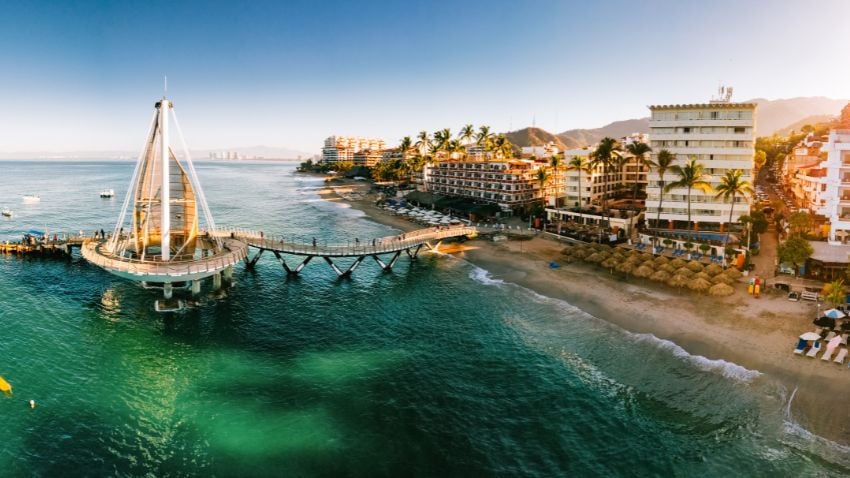
Puerto Vallarta is often considered one of the best places to live in Mexico thanks to its beach lifestyle, vibrant culture, and welcoming expat community
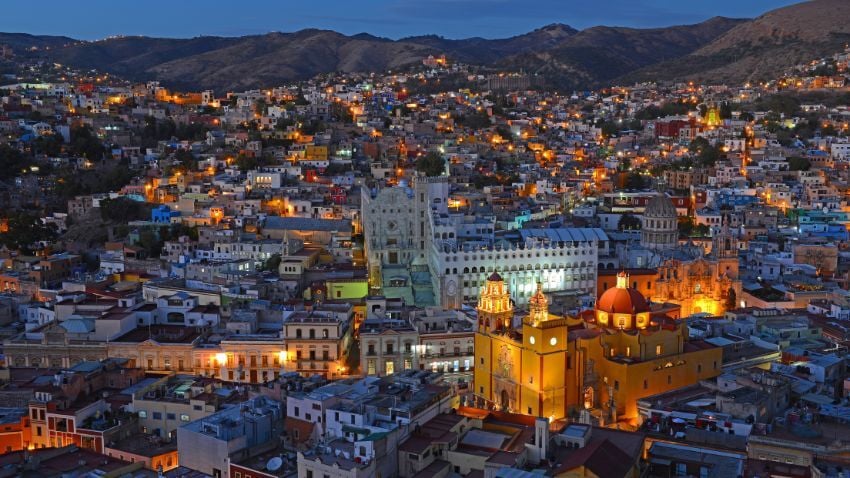
WHAT ARE THE BEST PLACES IN MEXICO?
I'm not going to try to portray Mexico as a paradise. Anyone who tells it to you has either never lived there or is trying to sell you something that isn't worth it. However, the culture and modern amenities attract many people searching for the best places to live in Mexico or the best places to stay in Mexico City.
The culture there isn't something you can visit in a museum on a Saturday afternoon, and it’s part of what makes the best places to live in Mexico so appealing while also influencing perceptions of safety in Mexico. Fireworks being set off at a random neighbourhood festival, or street vendors advertising their wares, are just a few of the common sights you'll encounter there.
UNESCO recognized Mexican cuisine as an Intangible Cultural Heritage of Humanity, and the food alone keeps people there. I've met expats who went for a three-month trial and are still around five years later.
Mexicans are, on the whole, extraordinarily warm toward foreigners, which helps ease concerns about how safe Mexico is and improves the overall experience of moving to Mexico from the U.S. People genuinely want to know you, feed you, and include you.
Mexico is the 13th-largest country in the world, offering diversity that defines many of the best places to live, while also affecting safety across regions. You've got arid deserts in the north, tropical rainforests in the south, and more than 9,000 kilometres of coastline.
Here's where most expats end up, often when researching the best places to stay in Mexico City or comparing the cost of living in Mexico across regions:
-
Mexico City and Surroundings: It’s truly one of the world's great megacities and one of the best places to stay in Mexico, with strong infrastructure and access to top healthcare in Mexico.
-
Lake Chapala and Ajijic: North American retirees go there when moving to Mexico from the U.S., often attracted by the lower cost of living in Mexico and established expat communities.
-
San Miguel de Allende: A culturally rich destination frequently ranked among the best places to live in Mexico, with strong community ties and relatively good safety in Mexico compared to other regions.
-
Pacific Coast (Puerto Vallarta, Sayulita, Riviera Nayarit): This region combines beach living with access to private healthcare in Mexico and remains popular among those moving to Mexico for lifestyle upgrades.
-
Yucatán Peninsula (Mérida, Playa del Carmen, Tulum): Mérida stands out when discussing how safe Mexico is and is often cited for excellent safety in Mexico, especially for expats.
-
Oaxaca: Known for culture and affordability, Oaxaca attracts people focused on the cost of living in Mexico.
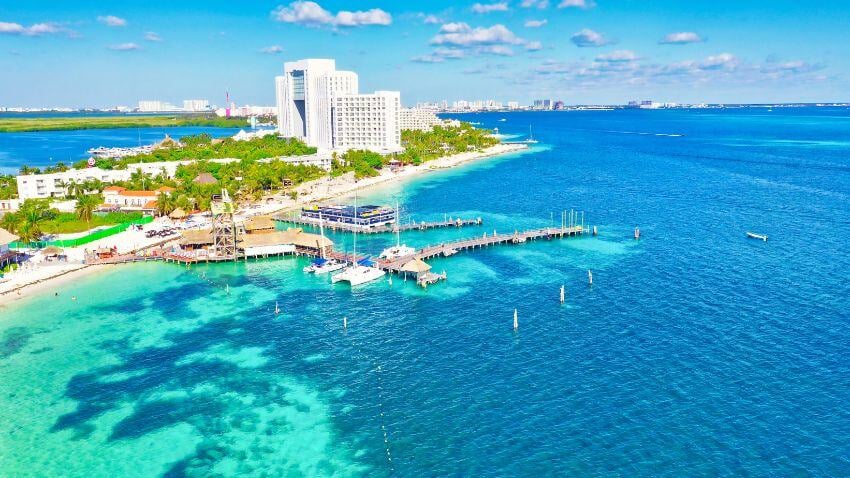
Cancun is a popular choice for people wondering "how safe is Mexico?", thanks to its relaxed beach lifestyle, modern amenities, and appeal for those considering moving to Mexico
IS MEXICO A GOOD DESTINATION?
Pretty sunsets and cheap tacos aren't a relocation strategy. Before you start browsing beachfront condos, you must understand the practical realities that'll shape your daily life in Mexico, especially if you're moving to Mexico from the U.S.
HOW IS THE TAXATION SYSTEM IN MEXICO?
Unfortunately, Mexico’s tax system is far from being perfect for expats. It runs a residence-based tax system, which means that if you spend more than 183 days in the country during a calendar year or if Mexico becomes the center of your vital interests, you're generally considered a tax resident, something crucial for anyone moving to Mexico and dealing with taxation in Mexico.
Progressive tax rates start at 1.92% and climb to 35% at the top. That's not trivial, especially for retirees with pensions or investors with global portfolios, making taxation in Mexico an important factor when evaluating the overall cost of living in Mexico.
HOW IS MEXICO’S HEALTHCARE?
This is one area where Mexico actually impresses, and I'm not just saying that because a doctor's visit costs less than a dinner in Manhattan. The healthcare in Mexico is excellent. It has truly top-tier private hospitals that you can access with reasonable insurance plans. The cost of private insurance plans ranges from $100 USD to $300 USD, depending on coverage and age. You can also visit a private clinic and see a doctor for as little as $18 to $50.
Because of the excellent quality and low costs, Mexico has also become a major destination for medical tourism. That said, quality varies by region. Major cities offer excellent care, but rural areas less so.
HOW SAFE IS MEXICO?
One of the most common questions people ask is “how safe is Mexico?” or even “how safe is Mexico City?”, especially among expats moving to Mexico from the U.S. Despite the alarming headlines and the cartel events we’ve seen on television last year, the violent crime rate in Mexico decreased considerably in 2025. The reason I say this is that murder rates have fallen 30%, dropping to 17.5 per 100,000 inhabitants in 2025, the lowest rate since 2016. Although there are far safer countries in Latin America, violent crime is not as extreme a problem as some make it out to be, particularly in areas known for strong safety in Mexico.
The violent crimes are mostly related to drug trafficking, which is still a persistent problem. Certain states have more organized crime activity than others, including Colima, Guerrero, Tamaulipas, Sinaloa, and Michoacán. Cartels mostly don't target tourist areas or civilians, which is important context when evaluating how safe Mexico is.
Another thing you should be aware of is that safety in Mexico varies widely. It's dozens of micro-environments. The difference between Mérida, Yucatán and Colima is the difference between one of the safest places in the Americas and one of the most dangerous places on earth. That is why where you live in Mexico isn't just a lifestyle decision; it’s about safety in Mexico and other regions when choosing among the best places to live.
Popular expat destinations like Mérida, Querétaro, Oaxaca City, San Miguel de Allende, and the established neighbourhoods of Mexico City have crime rates comparable to many American cities, making them some of the best places to live in Mexico while maintaining relatively good safety in Mexico. An American expat is statistically more likely to die in a car accident in Mexico than to be killed by cartel violence.
Petty crime is more common. Pickpocketing, phone theft, and taxi scams happen regularly in larger cities and tourist areas. You should always take common-sense security measures, not just in Mexico, but anywhere you live, especially if you are moving to Mexico and adapting to new environments while considering safety in Mexico City and beyond.
I believe that if you choose your location wisely, stay informed, and exercise the same common sense you'd use in any major city, Mexico can be a safe place to live. However, you must do your homework because this isn't a country you can just throw a dart at a map, especially when evaluating how safe Mexico is and planning your move from the U.S. to Mexico.
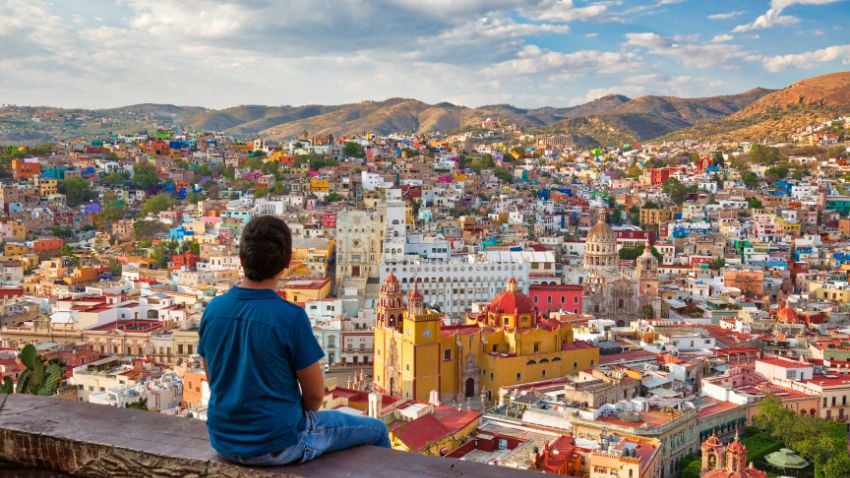
The cost of living in Mexico is a major draw for expats, making it possible to enjoy a comfortable lifestyle while spending significantly less than in the U.S.
HOW IS EDUCATION IN MEXICO?
If you're moving with children, Mexico has you covered. Major cities and popular expat regions offer international schools with American, British, and International Baccalaureate curricula. Mexico City, Guadalajara, and Monterrey have particularly strong options. The cost of private education varies, but it remains reasonable compared to North America. For example, an average annual private primary school fee is $7,000 USD.
HOW CONNECTED IS MEXICO?
Mexico is far better connected than most people expect. Direct flights reach cities across the U.S., Canada, Europe, and Latin America, which supports both moving to Mexico from the U.S. and maintaining business or personal ties while managing the cost of living in Mexico.
You can use high-speed internet in major cities and most expat hubs. Digital nomads usually prefer cities like Mexico City, Playa del Carmen, Guadalajara, and Oaxaca for their availability of coworking spaces and reliable Wi-Fi, especially when choosing the best places to live in Mexico and balancing productivity with the cost of living in Mexico.
The country also has modern highways, an extensive intercity bus network that puts Greyhound to shame, and ride-sharing services like Uber and Didi that operate widely and cheaply. Getting around Mexico is easier and more affordable than in most of the U.S., which is another advantage for those moving to Mexico.
WHAT IS THE COST OF LIVING IN MEXICO?
This is the part that gets people's attention. The cost of living in Mexico is, on average, about 56% lower than in the U.S., which is one of the main reasons people are moving to Mexico from the U.S. in increasing numbers. Rent is where the gap gets dramatic, about 41% lower on average.
Of course, your actual expenses will depend heavily on where you live. Major cities like Mexico City, Playa del Carmen, and Monterrey are more expensive, especially in expat-heavy neighbourhoods, while smaller cities and inland areas offer a much lower cost of living in Mexico. Choosing among the best places to live in Mexico will significantly impact your overall budget and lifestyle.
For example, a single person living comfortably in Mexico might spend anywhere from $1,200 to $2,500 per month, depending on the city and lifestyle. This affordability is a key driver for people moving to Mexico and looking to stretch their income while benefiting from a lower cost of living in Mexico compared to the U.S.
Groceries, dining out, transportation, and services are all significantly cheaper than in the U.S. Eating out regularly is not a luxury but a normal part of life, and hiring domestic help is affordable for many expats, reinforcing why the cost of living in Mexico is so attractive for those moving to Mexico from the U.S. and seeking a higher quality of life.
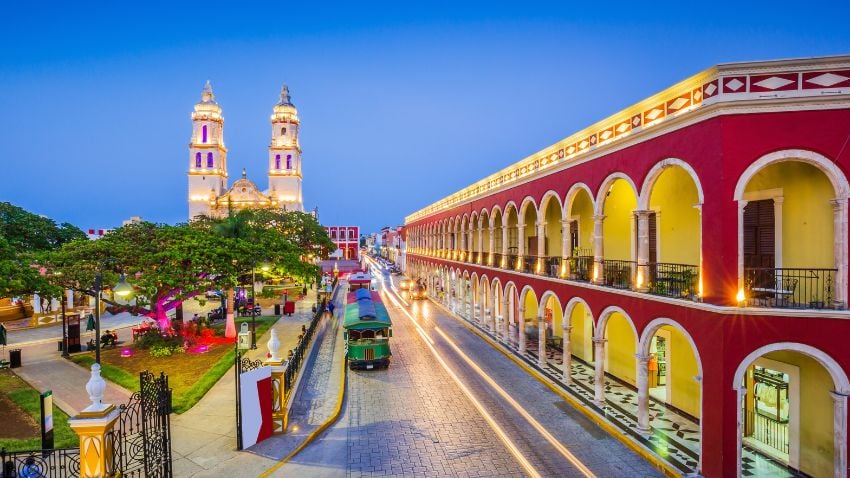
The Temporary Resident Visa is the most common path for expats moving to Mexico, offering a flexible way to live in the country while meeting straightforward financial requirements
WHAT ARE THE BEST VISAS TO MOVE TO MEXICO?
Mexico's immigration system is straightforward. However, there has been a recent tightening of requirements, which raised barriers to residency. Below are the most popular visa programs among expats:
HOW TO LIVE IN MEXICO WITH THE TEMPORARY RESIDENT VISA?
This is the main visa for most expats. This visa allows you to live in Mexico for more than 180 days at a time, initially for one year, and then renewable annually for up to four years. With it, you can travel freely, open bank accounts, enroll in the healthcare system, and import a foreign-plated vehicle.
To be eligible for a temporary residence visa in Mexico in 2026, you will need to prove that you have had a monthly income of approximately $4,400 USD in the last six months, or savings/investments of approximately $70,000 USD to $78,000 USD in the last twelve months. Once you enter Mexico, you have 30 days to visit the National Migration Institute to get your resident card, which is initially valid for one year and renewable for up to four years total.
Mexico doesn't have a dedicated digital nomad visa, but the Temporary Resident Visa serves the same purpose for remote workers earning income from abroad. If you can meet the financial threshold, this is your path.
HOW TO MOVE TO MEXICO WITH MEXICO’S INVESTOR VISA?
The investment route for Mexico's Investor Visa is one of the more demanding options. You need to make a capital investment of at least approximately $300,000 USD (around 5.4 million pesos) in a private Mexican-owned company or in companies listed on the Mexican stock exchange. The capital must be invested in specific, prescribed ways, and these applications are considerably more complex than those made through other economic solvency routes like income or savings.
As with all temporary residency routes, you'll need the standard documents (passport, application form, photo, and fees), and once approved, you enter Mexico and have 30 days to exchange your visa for a resident card.
HOW TO GET MEXICO'S PERMANENT RESIDENT VISA?
This is the end goal for many expats. There is no expiration date, and renewal isn’t required. However, you need to meet higher thresholds, which means a monthly income of around $8,000 USD or total savings of roughly $320,000 USD. Consulates generally reserve direct permanent residency for retirees. For everyone else, the standard path is four years of temporary residency followed by a conversion.
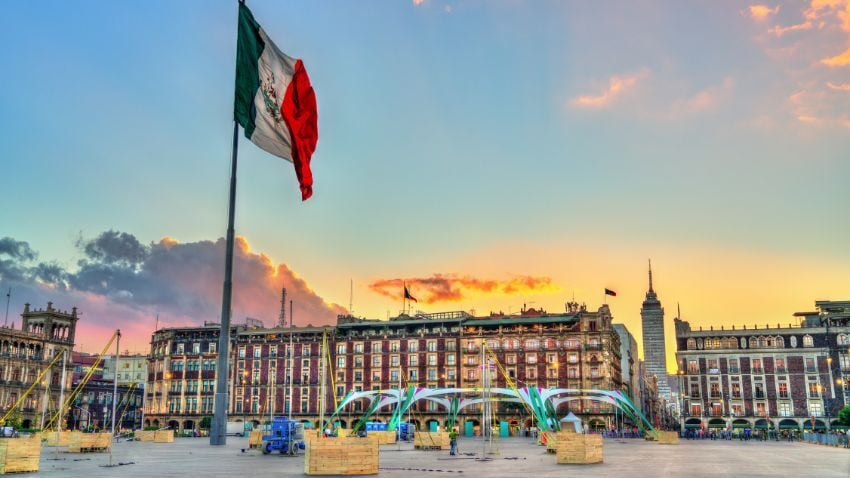
Many people start exploring moving to Mexico for affordability, but end up staying for the lifestyle, culture, and sense of community they find along the way
CONCLUSION
Mexico isn't the cheapest country in Latin America or the safest one. It certainly doesn't have the friendliest tax system for expats. However, the depth of culture, the warmth of people, and the richness of daily life are hard to match. Besides, its proximity to North America and low-cost modern amenities attract people from all over.
I've seen people move to Mexico for cost savings and stay for the quality of life, digital nomads who went for a month and are still there three years later, or retirees who have dreamed of the perfect retirement place for years and realize that Mexico is where they were looking all along.
That said, there are other great expat destinations across Latin America that might serve your goals even better, especially if taxes, privacy, or financial freedom are your top priorities. If you haven't built your Plan-B yet, start by downloading our free special report on Plan-B Residencies & Instant Citizenships.



 Mikkel Thorup: April 28, 2026