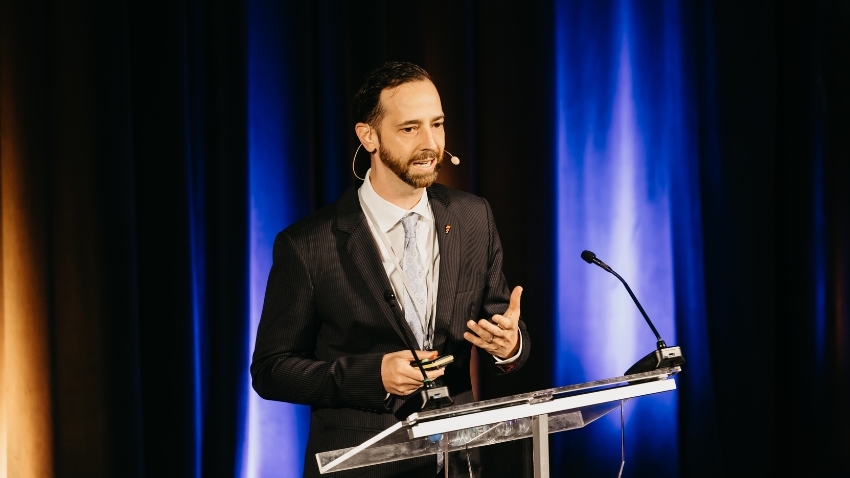
Many people who decide to build a Plan-B already recognize that the world is changing in ways that may create new challenges, particularly for high-net-worth individuals (HNWIs) and legacy families. This goes beyond concerns about higher taxes, increasing regulation, capital controls, or shifting political priorities that can affect wealth, businesses, and personal freedom.
These developments are part of broader structural changes. The post-World War II global order is evolving, and some of the legal and economic assumptions that expats and HNWIs once relied upon are becoming less predictable. International institutions face growing pressure, geopolitical rivalries are intensifying, and many countries are reassessing their economic and political priorities. Together, these trends are contributing to a more uncertain global environment.
No one can predict exactly how these changes will unfold. However, it is reasonable to expect that preserving wealth, mobility, and optionality will require more careful planning than in the past. Recognizing this reality is one thing; building a practical and resilient Plan-B is another.
Over the years, I have seen many people become frustrated in the process of creating a Plan-B, not because the goal was unattainable, but because they made avoidable mistakes along the way.
In this article, I'll explain the most common mistakes people make when building a Plan-B, why these pitfalls are so common, and how to create a backup plan that provides genuine resilience rather than a false sense of security.

Time is one of the most valuable assets in building a Plan-B. Once urgency arrives, it becomes your biggest constraint
WAITING UNTIL THEY “NEED” IT
This is the most common and most damaging mistake of all. People often wait until a tax increase is announced, a bank account is frozen, or travel restrictions are introduced before taking action. By then, many others are likely to be doing the same, leading to longer processing times, stricter requirements, and fewer available options. Over the years, I have consistently seen residency programs increase their investment thresholds and eligibility requirements. During periods of heightened global uncertainty, many of today's opportunities may become more limited or disappear altogether.
Hoping that governments will reverse course, adopt more market-friendly policies, lower taxes, or that the international environment will return to previous norms may prove to be an unreliable strategy. Building a robust Plan-B takes time, resources, and sustained effort to expand your jurisdictional optionality. No one suggests otherwise. But postponing the process until circumstances become urgent can significantly reduce your flexibility and the quality of your available choices.
The most effective Plan-B strategies are those put in place before they become necessary. Waiting until you "need" one often means facing higher costs, fewer alternatives, and less favourable outcomes. In the most challenging scenarios, the consequences can extend beyond financial losses to reduced personal freedom and fewer options for protecting your family's future.
CONFUSING A VACATION DESTINATION WITH A PLAN-B
Liking a country is not the same as being protected there. The first instinct of many people when they start looking for a Plan-B destination is to prioritize lifestyle choices. The attractiveness of never-ending beaches, year-round sunshine, excellent local foods, and social media appeal that makes you fall in love with the country may hijack your decision. Sure, I understand all of these preferences, since I live in an excellent country, Panama, that has everything you imagine and even more you can’t think of without living here. However, those rare qualities were not the first things I examined before making my decision to relocate to Panama with my family.
Straightforward residency paths that lead to citizenship, a tax system that reduces your burden, a banking sector that meets your financial needs, real economic opportunities, strong legal protections for you and your assets, political and economic stability that gives you peace of mind, and a culture that actually lets you integrate are all basics you need to weigh before getting serious about relocating.
IGNORING TAX RESIDENCY CONSEQUENCES
Plan-Bs built without proper professional guidance often lead to costly mistakes.Tax issues are among the most common. Before making any major decisions, you should understand how tax residency works and the consequences it can have. Many people unintentionally become tax residents in high-tax jurisdictions while assuming they remain protected. Others believe territorial taxation applies automatically without fully understanding the rules governing physical presence, tax residency, or the sourcing of income.
For this reason, tax planning should be a fundamental component of any Plan-B. It is not something to address after obtaining residency or relocating, but rather a consideration that should shape the strategy from the outset. Decisions regarding residency, banking, asset ownership, and income flows should all be coordinated within a coherent tax framework. Otherwise, solving one problem may unintentionally create another that is far more expensive to fix.

Putting everything in one country does not reduce risk. It simply changes its address
BUILDING EVERYTHING IN ONE “SAFE” COUNTRY
The main goal of building a Plan-B is to achieve jurisdictional diversification and reduce risk across different scenarios. True jurisdictional diversification is a long-term strategy involving multiple countries and complementary structures. If you are simply replacing one single point of failure with another, you are not diversifying. You are only moving the same risk to a different location.
I often see people move all their assets, banking, and residency to one country they believe is "safe" in the name of a Plan-B. In reality, they are simply concentrating their exposure in a new jurisdiction.
This is why a well-designed Plan-B spreads risk across different countries. One of the best ways to do this is by following the principles of flag theory. The idea is to establish different "flags" in different jurisdictions so that no single government has control over every aspect of your life. One country for citizenship, another for tax residency, another for banking, another for business, another for physical assets, and so on.
The number of flags and the level of investment in each country will depend on your personal circumstances and objectives. The principle, however, remains the same. Diversification should not apply only to your investment portfolio. It should also apply to your life as a whole. A well-structured Plan-B gives you options. If one jurisdiction becomes less attractive because of regulatory changes, political instability, or economic disruption, you already have alternatives in place. That is the difference between a real Plan-B and a false sense of security.
OVERCOMPLICATING AND OVERSIMPLIFYING THE STRATEGY
Building a Plan-B requires careful research, professional advice, detailed planning, and thoughtful implementation over time. That does not mean, however, that every expat needs the same level of complexity. The best Plan-B is not the most elaborate one, but the one that fits your personal circumstances, objectives, and risk profile.
An overly complex strategy can become expensive, difficult to maintain, and filled with structures that add little practical value. An overly simple approach can be just as problematic, leaving important gaps such as inadequate residency planning, insufficient asset protection, or missed investment opportunities.
Both extremes can undermine the effectiveness of a Plan-B. Some people adopt unnecessary entities or aggressive structures that increase costs and compliance risks. Others underestimate the planning required and delay decisions until valuable options are no longer available. After years of advising expats, I have seen that every successful Plan-B is different. The right strategy is not defined by its complexity, but by how well it aligns with your long-term goals while remaining practical, compliant, and sustainable.
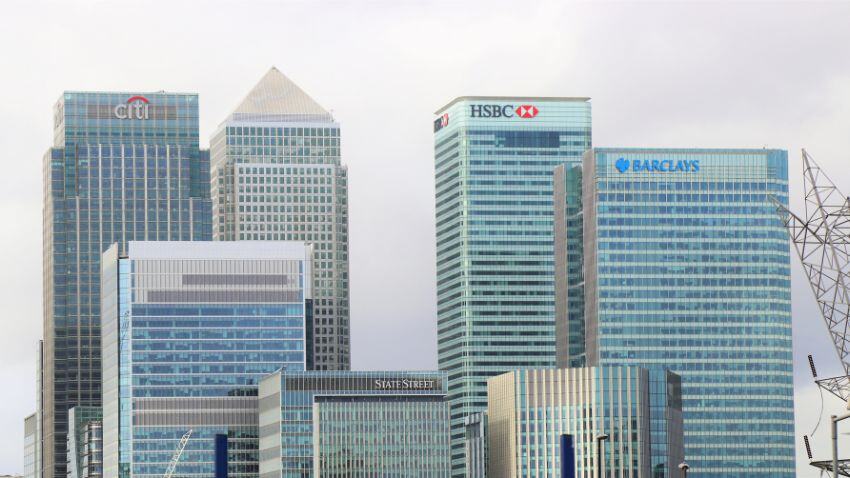
A residency permit opens the door, but a bank account allows you to build a life
FAILING TO SECURE BANKING EARLY
Alongside your residency application, you should also begin planning your banking arrangements. Many people focus on securing a visa and leave financial access until later, only to discover that opening a bank account is far more difficult than expected.
This is especially true for expats who have not yet established a local presence. Banks conduct extensive compliance and due diligence checks that often go far beyond what new residents anticipate. Some institutions simply refuse non-resident applicants, while others accept applications but delay the process by repeatedly requesting additional documentation.
In jurisdictions with strict anti-money laundering regulations, even a valid residency permit may not be enough if the bank considers your profile high risk. This is particularly common for individuals with income, assets, or business interests spread across multiple countries.
Without a local bank account, everyday life becomes unnecessarily complicated. Receiving income, paying rent and utilities, and building a financial footprint can all become more difficult. For this reason, banking should be planned from the outset.

The sooner you begin building your Plan-B, the more choices you preserve for the future
CONCLUSION
A Plan-B only works if it is well-prepared and timely. The world doesn't usually move very fast, but people move very slowly or without a strategy. Those who assume that the conditions that exist today will exist next year and therefore don't act are usually the ones who regret it.
Waiting too long, solely focusing on lifestyle, not knowing the consequences of tax residency, concentrating all the risk on a single country, and failing to recognize the importance of banking are all mistakes that undermine your Plan-B. Each of these alone can negate years of planning. When combined, they leave you vulnerable at the very moment your Plan-B should protect you.
I have helped many expats and investors build Plan-Bs that actually work because they were built early, structured correctly, and designed for resilience instead of convenience. There is no better time than today to think internationally. Start your journey by downloading our free special report on Plan-B Residencies & Instant Citizenships and take the first step toward building a Plan-B that protects you when it matters most.


%20Brazil%20The%20Cash%20Cow%20Opportunity%20That%20I%20Couldn%E2%80%99t%20Ignore%20Any%20Longer-1.jpg?width=800&height=429&name=(BLOG%20BANNER)%20Brazil%20The%20Cash%20Cow%20Opportunity%20That%20I%20Couldn%E2%80%99t%20Ignore%20Any%20Longer-1.jpg)


















 Mikkel Thorup: October 06, 2026