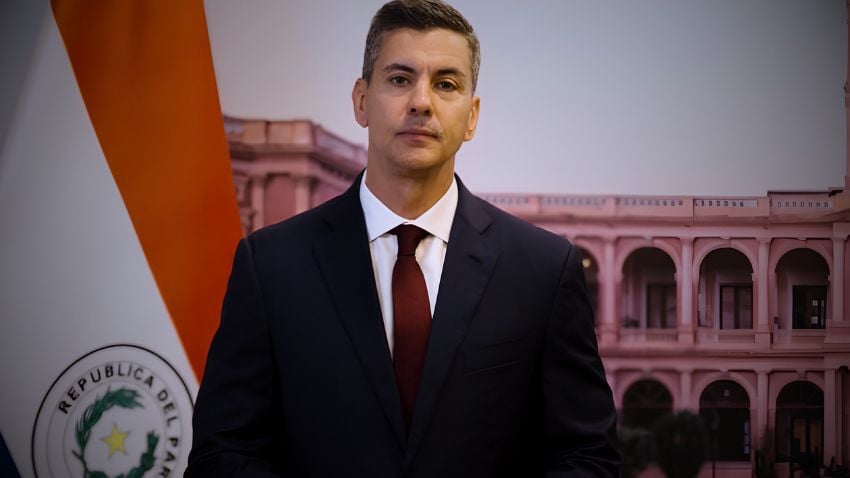
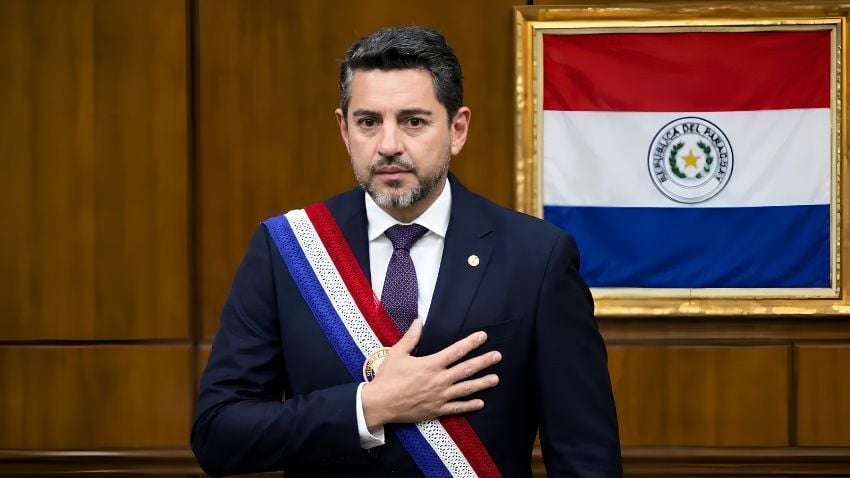
In the first week of November 2026, a bank failure brought down Paraguay’s president. The Central Bank initiated the resolution of Ueno, a digital bank with millions of customers, on November 2, 2026. Four days later, Santiago Peña was removed from office, and his vice-president, Pedro Alliana, took the oath as president.
As the sitting vice-president, Alliana assumed the presidency under Paraguay's constitutional succession rules following Peña's removal, rather than through a new election or separate political appointment. He will serve the remainder of the existing presidential term, which ends on August 15, 2028.
A longtime Colorado Party politician with extensive experience in Congress and party leadership, Alliana became vice-president in 2023. His political background provides important context for understanding his new administration.
WHO PEDRO ALLIANA IS
Alliana comes from Pilar in the southern department of Ñeembucú and worked in the local business sector before entering politics. His first race, for mayor of Pilar in 2006, ended in defeat. Two years later, he won the governorship of Ñeembucú. He has held elected office continuously since then.
In 2013, he was elected to the Chamber of Deputies, where he served for ten years. He led the chamber in 2017–18 and again for three consecutive one-year terms from 2019 to 2022. Elected president of the Colorado Party in 2015, he formally took office in 2016 and remained in the position until 2023. Few people in Paraguay know more about how to get a bill through Congress or how to hold a divided majority together.
Former President Horacio Cartes's faction within the Colorado Party put Alliana on the 2023 ticket as Peña’s running mate, and he became vice-president on August 15, 2023. When Alliana assumed the presidency in November 2026, the vice-presidency became vacant. Since the vacancy occurred during the final two years of the presidential term, Congress selected Antonio Barrios, then a senator, as vice-president. Barrios resigned his Senate seat before taking the oath.
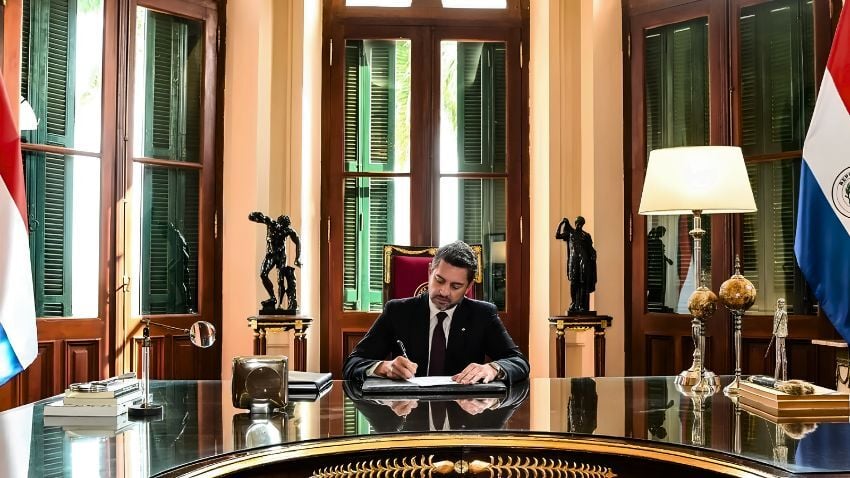
Paraguayan President Pedro Alliana faces a short but challenging term, with restoring confidence after the Ueno banking crisis and maintaining government stability among his immediate priorities.
WHETHER ALLIANA IS UP TO THE JOB
Alliana has roughly 21 months left in office. Under Article 229 of Paraguay's Constitution, he is ineligible to run for president in 2028. One of his first priorities is overseeing efforts to return funds to Ueno's depositors, including amounts that exceed the coverage provided by the Deposit Guarantee Fund. At the same time, he needs to keep the government running until August 2028. His broader responsibilities will require cooperation with Congress, where he spent a decade as a deputy.
Alliana seems to understand what kind of presidency this is. His first speech as president focused largely on delivering results. Emphasizing the short duration of his term, he said he expected concrete results from each minister and pledged to keep the government focused on domestic issues.
Alliana kept Óscar Lovera as minister of economy and finance and Óscar Orué at the head of the tax authority. He also made changes at the Central Bank, appointing economist Jorge Luis Schreiner Marengo as its president and Fernando Javier Rivarola Angulo as a member of its board.
Alliana did not emerge from the Ueno affair unscathed. The Chamber of Deputies rejected a proposal to initiate impeachment proceedings against him, with 48 deputies voting against it and 30 in favour.
In a crisis, I would rather have a seasoned party operator in office than a newcomer with big ideas and no votes. Alliana's congressional experience and steady hand make him well suited to this period.
SAME ECONOMIC POLICIES, BUT GREATER SCRUTINY OF PUBLIC MONEY
Paraguay does not need to change its main economic policies, and nothing Alliana has said or done so far suggests he will. The tax system remains unchanged, and key officials responsible for fiscal and tax policy remain in place.
Where I do expect change is in the oversight of public money and, potentially, in the rules governing where it can be deposited. Prosecutors have already searched properties and offices linked to the Ueno investigation, and Congress may seek tighter restrictions on where state companies and the Social Security Institute (IPS) can deposit funds. Decisions about where public money is held are also likely to face closer scrutiny.
The crisis also affected the currency. The guaraní came under significant pressure, although its depreciation had begun before Ueno's collapse. It recovered some ground after Alliana took office. By Monday, November 9, the retail selling rate for the US dollar at exchange houses had fallen from approximately ₲6,600 to ₲6,300.
PARAGUAY'S INSTITUTIONS HELD
Paraguay's response to the crisis involved the Central Bank, prosecutors, and Congress. Financial authorities initiated the resolution of Ueno, prosecutors began investigating the bank's executives, and lawmakers proceeded with the impeachment process against Peña.
Peña submitted his resignation on November 5, but a congressional session convened to consider it was suspended after lawmakers walked out, leaving the session without a quorum. Impeachment proceedings continued, and the following day, all 44 senators present voted to remove him, including members of his own Colorado Party. Alliana took the oath that same evening, in accordance with the Constitution.
None of this makes Paraguay a model democracy. It does show that the country's constitutional procedures held up under the pressure of a political crisis. Paraguay's leading politicians also understand what stability is worth, and they were willing to sacrifice one of their own to prevent serious harm to the economic program.
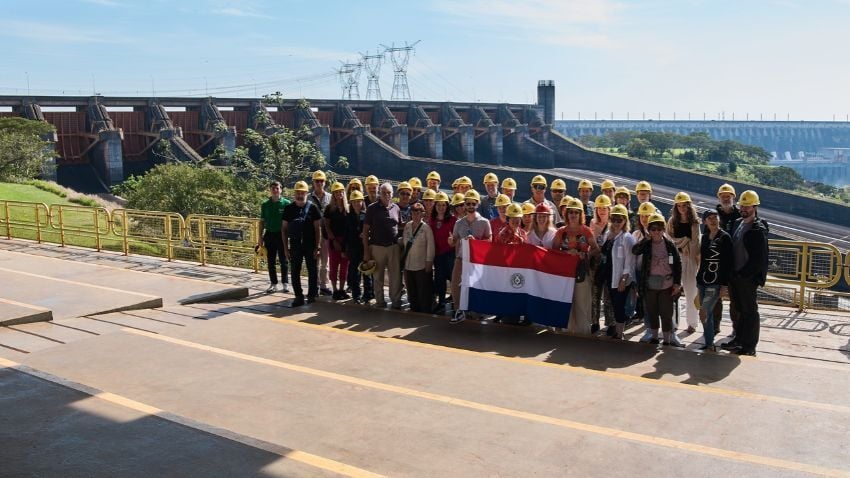
Paraguay’s political landscape may be changing, but its appeal as a destination for expats and investors remains strong.
WHAT THIS MEANS FOR YOU
If you already hold Paraguayan residency, the change in president does not affect your existing status. If you have an application pending with Migraciones, the presidential transition does not, by itself, require you to restart the process. Paraguay's territorial income-tax rules also remain unchanged, and Alliana has not announced plans to revise them.
Paraguay is still one of the best destinations in the region for expats to build a second base, and nothing since the Ueno crisis began has changed that. If anything, the Ueno collapse is likely to lead to closer supervision of banks and tighter controls over where public money is deposited. If adopted and implemented effectively, such measures could strengthen oversight of Paraguay's banking system.
CONCLUSION
I judge a country by how it handles its worst week, and Paraguay has just had one. It came out the other side with its Constitution intact and a government that never stopped working.
I have been investing in Paraguay for years, and the Ueno crisis has not changed my plans. Peña’s alleged role in the scandal is a sad chapter, but the way Paraguay's institutions responded to the crisis matters more to me. The country's political leaders moved quickly to address the constitutional crisis, although restoring confidence in the banking system will take longer. For me, the institutional response is an important reason to remain confident in Paraguay's long-term prospects.
If you are ready to make Paraguay part of your plan, Expat Money can guide you through the residency process from start to finish.





















 Mikkel Thorup: November 16, 2026