South Korea is far more than K-pop and K-dramas. It is a country known for outstanding food, from bustling street markets to high-end dining, as well as beautiful landscapes that include mountains, coastlines, islands, and national parks. Many visitors also notice how safe and organized daily life feels, especially in the big cities. Add fast internet, efficient services, and excellent public transport, and it is easy to see why South Korea attracts countless tourists every year and also welcomes new residents.
Many people imagine that moving to South Korea will feel like the lifestyle they see on TV. In reality, daily life can be quite different, shaped by a demanding work culture, bureaucracy, and a highly competitive environment. Much of the opportunity is concentrated in Seoul, which drives up housing costs, especially rent. That is why it is important to look beyond the image and understand what daily life is really like before making the move.
During my years in the UAE, I visited South Korea many times. One of my best friends lived there, and I also did some business in the country. That is why I know the country and its people quite well. Although this is a great nation with many upsides, those looking for a long-term base should also be aware of the limits this country offers. In this article, I will show you the pros and cons of living in South Korea.
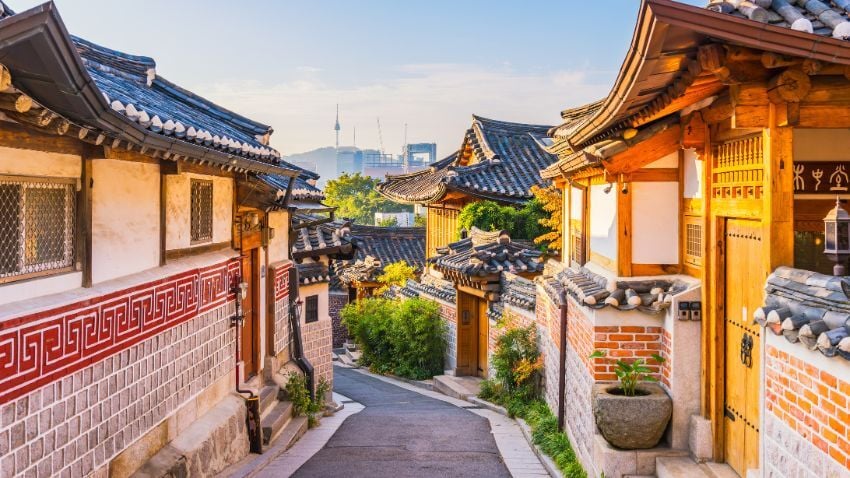
South Korea offers a smooth, reliable daily life, clean cities, top-tier transit and digital services, strong safety and social order, plus fast, high-quality healthcare with quick appointments and advanced care
PROS OF LIVING IN SOUTH KOREA
Let’s start with the positive side. South Korea offers a high level of comfort and efficiency in everyday life. The country stands out for how well its systems are designed and maintained, creating an environment where things generally work as expected. From infrastructure and public services to safety, healthcare, and overall quality of life, there are several advantages worth highlighting. Below, we take a closer look at the main pros of living in South Korea.
A COUNTRY THAT ACTUALLY WORKS
Even if you are visiting South Korea from North America or Western Europe, one of the first things you will realize is how orderly and clean the streets are in big cities. Daily life here operates smoothly beyond your expectations, and infrastructure such as public transport, internet, digital services, and delivery services work well far beyond world standards.
Local governments feel competent, with consistent services, and things happening on time. Having a well-functioning, predictable bureaucracy will be refreshing for Westerners accustomed to decaying public services. However, foreigners should be aware that this system offers little flexibility, so timelines and rules must be followed exactly.
SAFETY AND ORDER
South Korea is widely considered one of the safest countries in the world, including in dense city centers like Seoul. Public spaces feel secure at most times of day, and many people find that they can move around without constantly thinking about worst-case scenarios. As anywhere, basic precautions still apply, especially in crowded areas where petty issues can happen.
That sense of safety is reinforced by more than just policing. Social norms emphasize order, consideration for others, and predictable behaviour in shared spaces. For many residents, this creates a calm and reassuring environment. At the same time, it can feel strict. Expectations around how you behave in public are real, and some people may experience the culture as more observant and less forgiving of standing out.
HEALTHCARE SYSTEM
Healthcare is one of the strongest advantages of living in South Korea. The country is known for its modern hospitals, advanced medical technology, and highly trained medical professionals. Major cities offer a dense network of clinics and specialized centers, which makes it relatively easy to find care for both routine needs and more complex conditions.
Another key benefit is accessibility. It is usually possible to book appointments quickly, and many clinics accept walk-ins, especially for general consultations. Diagnostic tests and follow-up visits are often handled efficiently, reducing long waiting periods that are common in many other developed countries. This efficiency can be particularly reassuring for people who value quick access to medical attention.
South Korea is also recognized for its strength in specialized fields such as dermatology, dentistry, cosmetic procedures, and preventive care. Regular health checkups are common and culturally normalized, which encourages early detection and ongoing monitoring. Overall, the healthcare system contributes significantly to quality of life, offering reliability, speed, and a high standard of care.
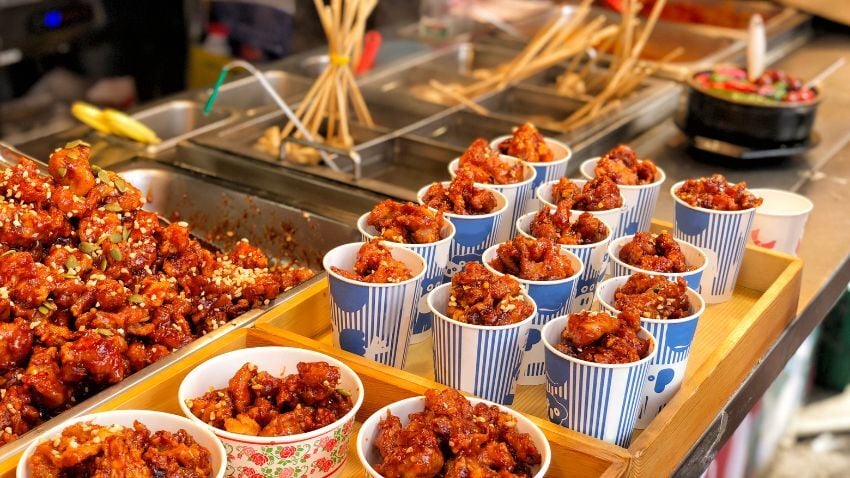
South Korea’s street food scene is addictive, affordable, fresh, and full of flavour, from spicy bites to classic sides like kimchi and banchan. Eating is social, and Korean BBQ is a must-try
GREAT FOOD CULTURE
If you are a foodie or enjoy Asian cuisine, South Korea can feel like a never-ending discovery. Street food is a big part of everyday life, with vendors offering affordable options that are genuinely delicious. You will also notice that kimchi is not a single dish you order once in a while. It is a staple side dish made from fermented vegetables, usually cabbage, and it typically comes with most meals alongside other banchan, small shared side dishes that accompany the main meal.
On the street, you will commonly find tteokbokki, spicy rice cakes cooked in a sweet and savoury chilli sauce, hotteok, a filled Korean pancake often stuffed with sugar, nuts, and cinnamon, and gimbap, rice and fillings rolled in seaweed and sliced into bite-sized pieces. These foods are widely available, freshly prepared, and part of daily routines rather than occasional treats.
When it comes to sit-down meals, South Korea also delivers on restaurant dining. Korean BBQ is one of the most popular options, where diners grill marinated meats at the table, while samgyetang is a traditional ginseng chicken soup, typically eaten during the summer and valued for its nourishing qualities. As with many meals in Korea, dining is often a social activity, and eating with locals may involve unspoken rules related to hierarchy and etiquette.
HISTORY AND CULTURE
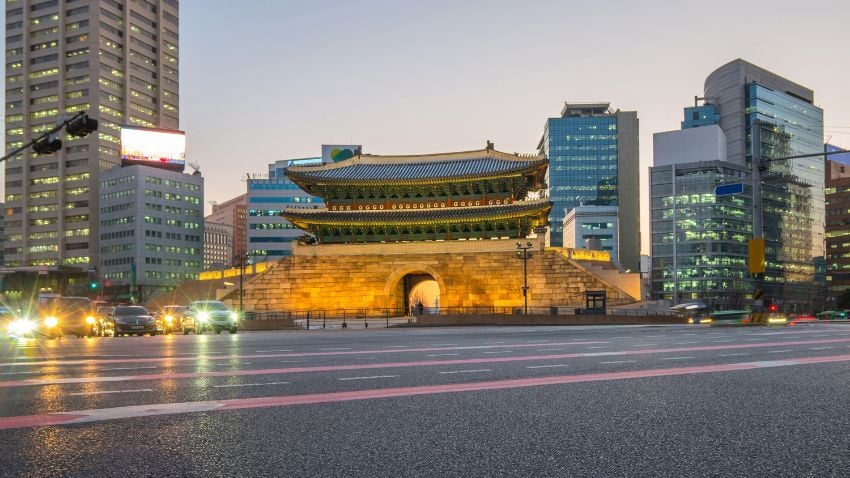
When you walk through Seoul, you will randomly pass ancient palaces, working temples and many hanok houses, the traditional Korean houses. Even though Seoul is a highly modern city with ordinary tall buildings and offices, its historical sights are well preserved, and most are still in use.
South Korea offers unusually open access to spiritual traditions. Buddhist temples welcome visitors, and temple stays are open to foreigners. Meditation, chanting, and communal meals are available without any pressure to convert. However, be aware that these are not tourist shows; you participate under the same rules as locals.
South Korea’s calendar is also culturally dense. Lunar New Year (Seollal), Harvest festival (Chuseok), seasonal markets and food traditions, and local festivals tied to history and geography can keep you busy and entertained year-round.
You should also remember that South Koreans have high cultural literacy, and making cultural references is part of social interaction. It would also be good for you to know their famous film and television sector, and global music idols.
CONS OF LIVING IN SOUTH KOREA
Although the downsides of living in South Korea vary depending on personal preferences and circumstances, there are common complaints about policies affecting foreigners and certain features of Korean society. I’ll touch on these issues briefly.
LONG-TERM OPTIONALITY AND TAX SYSTEM
One of the biggest downsides of South Korea is that it can be hard to turn a stay into a truly long-term plan. There are different visa categories and routes to residency, but the system is not especially welcoming when it comes to permanent settlement. The requirements for long-term status can be demanding, and the path can feel slow and uncertain.
Naturalization is even tougher. In most cases, South Korea does not offer dual citizenship to people who become Korean citizens through naturalization. That usually means giving up your original nationality after you obtain Korean citizenship. There are some limited exceptions, mostly for people who had dual nationality from birth or who qualify under specific rules, but those situations are not the norm for most foreign residents.
Taxes are another factor to think about if you plan to stay for many years. South Korea does not have a territorial tax system, and long-term residents fall under a comprehensive tax regime. Over time, this can mean broader tax exposure, especially for people with income, assets, or business interests outside the country. For some residents, managing taxes becomes more complex the longer they stay, making long-term planning an important consideration rather than a simple formality.
LANGUAGE BARRIER
Korean is often described as more approachable than Chinese or Japanese because it uses a single alphabet, Hangul. In practice, however, the language barrier remains one of the most frustrating aspects of living in South Korea. Even in Seoul, it can be hard to find people who speak fluent English or restaurants with English menus. Many young Koreans have studied English, but they often do not feel comfortable speaking it in real life. When they do know English, they may avoid conversation because they feel they are not good enough.
The good news is that the effort goes a long way in the other direction. Koreans tend to appreciate even minimal attempts to speak Korean. Learning a few basic phrases may not solve the barrier overnight, but it often improves everyday interactions and can noticeably change how helpful people are.
CULTURE AND SOCIAL INTEGRATION
Although public interactions are polite, predictable, and low-friction in South Korea, there are clear structural limits to social integration. South Korea is still an ethnically homogeneous society, which shapes social boundaries. Even long-term foreign residents who speak fluent Korean may not be fully socially included. As a result, it is often possible to integrate functionally and live comfortably in the country, but much harder to cross the line into full belonging.
Beyond language and daily interactions, social life itself can feel closed to outsiders. Friendships often form early in life and tend to revolve around school, university, or long-standing professional networks, which makes it harder for newcomers to enter established circles. Social gatherings can also follow unwritten rules around hierarchy, age, and group dynamics, leaving little room for spontaneity. Over time, this can create a sense of social distance, where life feels comfortable and functional, but emotionally separate from the deeper social fabric of the country.
COST OF HOUSING
South Korea can be comfortable and efficient, but the cost of living becomes a real downside once you look at housing, especially in Seoul. Rent is the biggest pressure point. According to Numbeo, a one-bedroom apartment in the city center averages about $571 USD per month, while a three-bedroom in the city center is around $1,385 USD. For many people, that quickly turns housing into the main monthly expense.
Buying property is even tougher. The price per square meter to buy an apartment in the city center is about $14,153 USD, which puts ownership out of reach for a lot of residents. The result is that many people end up staying renters for much longer than they expected, and that can limit flexibility if you are thinking about long-term plans.
WORK CULTURE AND LIFESTYLE PRESSURE
South Korea’s work culture can be difficult to adjust to, especially if you are used to more flexible workplaces. Many offices are hierarchical, with expectations shaped by age, rank, and seniority. Long hours are common, and there is often an unspoken emphasis on fitting in, following the group, and putting work first.
This mindset does not stay inside the office. A performance-driven environment, limited rest, and socioeconomic strain have been linked to serious mental health outcomes at the national level. South Korea consistently records the highest suicide rate among OECD countries, and the figures are particularly stark among younger people. Suicide accounts for more than 40% of deaths among teenagers and over 50% among those in their 20s.
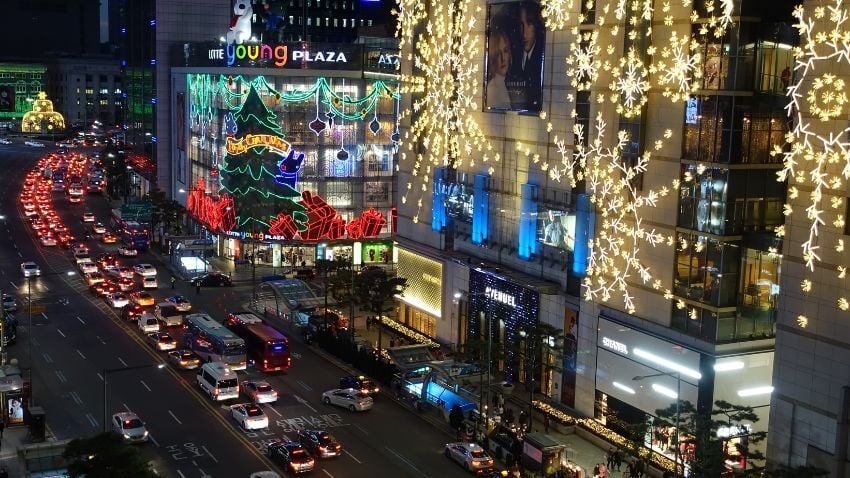
South Korea is an amazing country with rich culture, safety, and great food, but despite its strengths, it’s often not a smart long-term option for expatriates seeking stability or permanent settlement
CONCLUSION
South Korea is a must-see destination in Asia, offering a chance to experience its culture, learn its history, and enjoy its great food. It is also instructive to see how freedom can help a nation to rise as a powerful and advanced economy, considering that the shameful socialist North Korea is torturing its own people.
However, if you are an expat looking for a base to diversify your options as part of your long-term Plan-B strategy, South Korea hardly offers you options. Short- or mid-term professionals can find opportunities attractive in South Korea’s corporate life, but long-term settlers are most likely to fail to establish a life there.
If you are exploring your options to build your Plan-B, the world is full of excellent options. Start your journey by downloading our free special report on Plan-B Residencies & Instant Citizenships.



%20Brazil%20The%20Cash%20Cow%20Opportunity%20That%20I%20Couldn%E2%80%99t%20Ignore%20Any%20Longer-1.jpg?width=800&height=429&name=(BLOG%20BANNER)%20Brazil%20The%20Cash%20Cow%20Opportunity%20That%20I%20Couldn%E2%80%99t%20Ignore%20Any%20Longer-1.jpg)



















 Mikkel Thorup: October 06, 2026