Costa Rica has become one of the most popular expat and digital nomad destinations in Latin America, known for its natural beauty, relaxed lifestyle, and strong tourism economy. The country offers a territorial tax system, an affordable cost of living compared to North America and Europe, and accessible residency options. In the third edition of our annual special report, Expat Index 2026: Mapping The World’s Most Livable Countries, Costa Rica ranks 8th out of 62 countries, with steady year-over-year improvements.
Part of that appeal comes from its reputation as one of the safest countries in the region, often described as “Costa Rican exceptionalism.” This perception is tied to factors such as the absence of a standing army, solid public institutions, and relatively low levels of drug-related organized crime, especially when compared to other parts of Latin America.
Still, Costa Rica is not crime-free. Violent crime is not widespread, but petty theft and other non-violent offences are common in larger cities and some tourist areas, and safety can vary by neighbourhood. In this article, we'll see how safe Costa Rica is by presenting crime data and assessing conditions across the country’s main regions and cities.
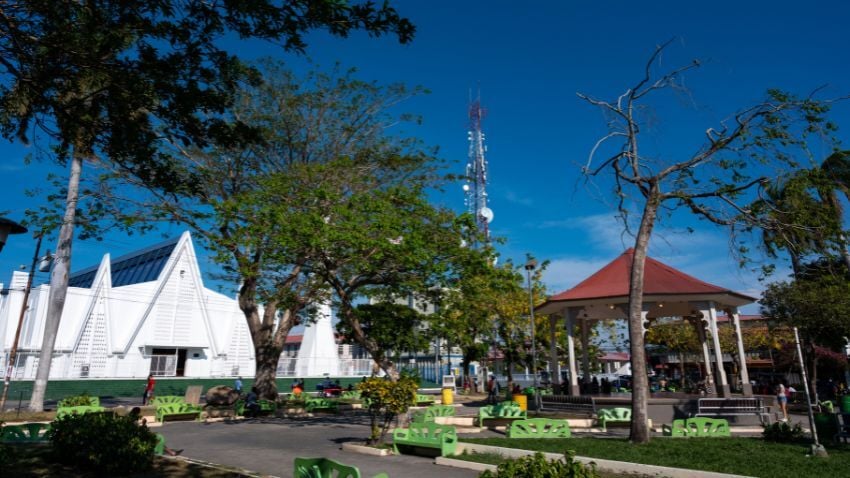
Crime in Costa Rica is rising, with homicides at 16.1 per 100,000, mainly tied to drug trafficking. Violence is concentrated in specific areas, while tourist hubs and expat communities remain generally safe with basic precautions
CRIME METRICS IN COSTA RICA
Homicide rates are one of the most important data sources assessing violent crime rates in a country. Although Costa Rica had low levels of homicides, like around 11 per 100,000 until the early 2020s, this number has risen in recent years. Last year, it stood at 16.1 per 100,000 inhabitants. Recently raised drug trafficking activity in the country is the main cause behind the homicides. However, the rise in violent crimes most of the time doesn’t affect ordinary citizens or expats who aren’t related to any of these gang disputes. Regionally, it sits in a moderate-risk tier, particularly when compared to more volatile Central American states.
The rise in homicides is also not evenly spread across the country. Cases tend to cluster in port provinces such as Limón and parts of Puntarenas, where key drug transit routes intersect, and rival groups compete for control. By contrast, tourist hubs, established expat communities, and upscale residential neighbourhoods are generally safer. For most people, the more realistic day-to-day concern is non-violent crime. Straightforward precautions like avoiding isolated areas after dark, securing vehicles and homes, and staying aware of your surroundings are usually enough to reduce risk.
Unsurprisingly, this shift has become a major political issue. Newly elected President Laura Fernández has declared war on organized crime, promising hard-line measures to curb gang influence and restore a stronger sense of security in high-risk areas. She has also said she sees El Salvador’s President Nayib Bukele as an inspiration, signalling support for a tougher, more forceful approach to confronting criminal groups. At the same time, perception-based measures still paint Costa Rica as a middle-of-the-pack case regionally. Numbeo’s Safety Index, which reflects visitors’ perceptions of safety, gives Costa Rica a score of 46 out of 100, broadly comparable to the United States at 50 out of 100.
WHY WHERE YOU LIVE MATTERS
Like in many other countries, crime risk isn’t uniform across Costa Rica or within its neighbourhoods. You can expect higher levels of petty crime in urban centers, particularly in and around San José. However, coastal resort zones and smaller inland towns generally have a much lower crime rate of any kind. That is why choosing the right neighbourhood matters more than national averages.
Crime is concentrated in dense downtown districts, particularly in San José and the wider Central Valley. The Organismo de Investigación Judicial (OIJ) data show that areas like Catedral, Hospital, and Merced report the most incidents, largely due to heavy foot traffic and commercial activity. However, these aren’t typical expat neighbourhoods. Most foreigners live in areas such as Escazú, Santa Ana, Rohrmoser, Sabana Norte, and Curridabat, where gated communities offer private security and lower crime rates. In the capital, basic precautions like avoiding downtown late at night, using ride-hailing apps, and installing home security systems go a long way.
Although Guanacaste and other coastal areas are safer in many respects, you should be cautious about opportunistic theft, including break-ins targeting short-term rentals. Those incidents are nonviolent because they rely on distraction or carelessness. However, expat hubs such as Playas del Coco and Nosara often have gated communities with private security and 24-hour surveillance. Although a high expat presence can attract petty crime, it also strengthens informal neighbourhood watch networks. Living in established communities with visible security greatly reduces your risk.
Smaller towns and rural areas like Atenas, Grecia, and San Ramón report far lower crime levels than major cities. Theft or street robbery is relatively rare. However, isolation creates a different kind of risk. Remote farms or standalone homes without nearby neighbours can be vulnerable. In these areas, strong community ties and communication with local police are important.
Related content: Best Things To Do In Costa Rica
PRACTICAL SAFETY STRATEGY
As you can see, you can lower your risks by choosing the right place to live and following common-sense precautions. Although foreigners are rarely the direct targets of violent crime, petty theft exists as a persistent issue in urban and tourist zones.
Your housing choice is your most important security decision. Gated and established neighbourhoods like Escazú, Santa Ana, and Atenas tend to have far lower burglary rates than central San José or unprotected beach rentals.
However, it is always a good idea to have an additional layer of protection by installing security systems. Alarm systems with 24-hour monitoring, motion-sensor lighting, or reinforced entry points are standard features in safer neighbourhoods and strongly recommended for standalone homes.
Along with security systems, your daily habits are important factors in increasing your safety. You should avoid leaving your valuables in cars and using unregistered taxi services at night. Carrying a large amount of cash isn’t advisable anywhere in the world, and you should skip flashy jewelry. Strong neighbourhood ties often deter theft more effectively than isolation, as informal networks act as early warning systems.
I also think that you must have insurance to cover possible incidents. Insurance for theft, natural disasters, and health care is usually a standard recommendation for expats. Expats should also name a local emergency contact, register with their embassy, and keep a basic emergency kit with copies of passports, key documents, and accessible funds.
Related content: Safety Tips For Expats: The Only Guide You'll Ever Need
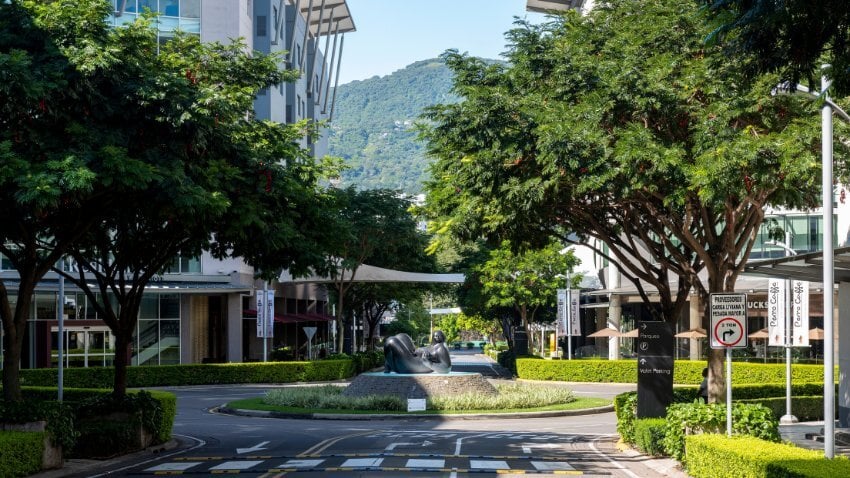
Costa Rica remains a stable, predictable Plan-B: strong institutions, no army, and a security-dependent tourism economy. Crime has risen in some port areas, but violence is mostly gang-linked and rarely reaches expat or resort neighbourhoods
CONCLUSION
Although there are some manageable crime risks in Costa Rica, it is one of the more institutionally stable and predictable countries in the region. For many expats, that balance between lifestyle, stable politics, and manageable risk makes it a viable Plan-B destination. The idea of “Costa Rican exceptionalism” has been built on real foundations, such as the absence of a standing army, a stable government, relatively strong public institutions, and a tourism-driven economy that depends on security and a strong economy.
Those structural advantages of Costa Rica still exist. What has changed is the crime environment in certain regions within the country over the past few years. However, violent crime is largely concentrated in specific port provinces and tied to organized criminal disputes; the new government is dedicated to fighting them. It doesn’t typically spill over into expat neighbourhoods, resort zones, or middle-class residential districts.
There are many popular expat destinations with high security standards, despite the alarming headlines you see every day. If you’d like to evaluate your options, download our free special report on Plan-B Residencies & Instant Citizenships.



%20Brazil%20The%20Cash%20Cow%20Opportunity%20That%20I%20Couldn%E2%80%99t%20Ignore%20Any%20Longer-1.jpg?width=800&height=429&name=(BLOG%20BANNER)%20Brazil%20The%20Cash%20Cow%20Opportunity%20That%20I%20Couldn%E2%80%99t%20Ignore%20Any%20Longer-1.jpg)



















 Mikkel Thorup: October 12, 2026