South America is attracting a growing number of expats, investors, and entrepreneurs seeking practical, accessible second-residency options. While the region still offers some of the most straightforward immigration pathways in the world, the landscape is changing.
As demand increases, governments are gradually raising financial thresholds and tightening requirements for residency programs. In my experience working with expats and helping clients develop their Plan-B strategies, I have consistently seen conditions become more restrictive over time rather than more flexible.
At the same time, it is important to understand that not every country that is easy to immigrate to is necessarily a good fit as an expat destination. Ease of entry is only one part of the equation, and factors such as taxes, lifestyle, and long-term stability must also be carefully considered.
In this article, I will walk you through the easiest countries in South America to immigrate to based on clear legal and regulatory criteria.
WHAT MAKES A COUNTRY “EASY” TO IMMIGRATE TO?
When I describe a country as “easy” to immigrate to in this article, I am referring to the legal and regulatory structure of the immigration system itself. I don’t recommend every country explored in this article for relocation or immigration.
There are many factors to consider when choosing a strategic expat destination, including the tax system, cost of living, economic and political stability, and lifestyle options. You must conduct your own due diligence based on your needs and preferences.
Below, I explain the general regulatory requirements that make a country easy to immigrate to:
-
Low Financial Requirements: The first indicator to check is the financial threshold for residency options. Countries that require modest passive income levels or manageable investment amounts are easier to enter. Certainly, having no financial requirements is the best option.
-
Simple and Clear Residency Categories: Residency options for specific groups, such as retirees, passive income earners, and investors, ease application processes through well-structured visa paths.
-
Short Time to Permanent Residency or Citizenship: The speed of the visa process and the transition from temporary to permanent residency, ultimately leading to citizenship, are crucial factors to consider before applying for any visa program.
-
Flexible Physical Presence Requirements: Strict physical presence requirements are often a deal breaker if you don’t plan to relocate permanently. Most expats looking for flexibility avoid countries with rigid day-count rules.
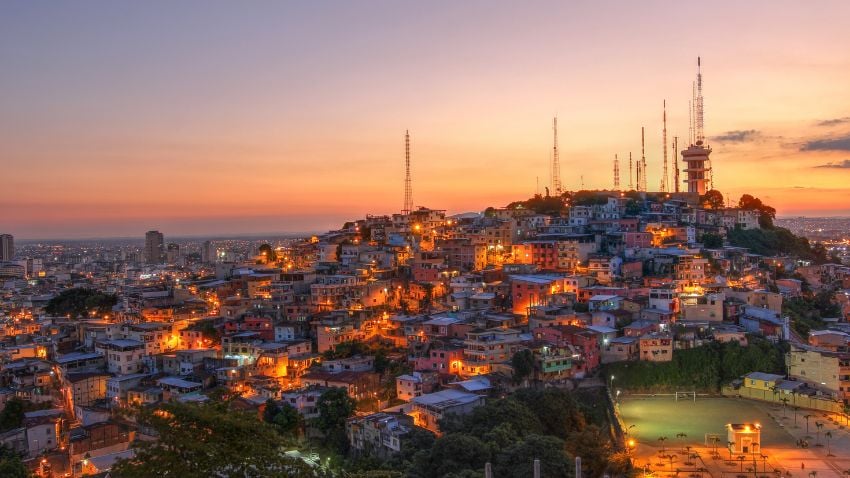
Ecuador offers one of the most accessible residency programs in South America, with low financial requirements, affordable investment options, and a clear path to permanent residency in under two years
6. ECUADOR
Ecuador offers well-defined, straightforward residency options that do not require high financial commitments. Investment paths to residency are also available and affordable. Ecuador has been undergoing a reform process under its current president, Daniel Noboa, who has promised pro-market reforms and stronger security measures. Here are the best options for residency:
-
Pensionado (Retiree): To be eligible for this visa, you must have a monthly pension income of at least three times Ecuador’s unified basic salary, which is approximately $482 USD per month.
-
Rentista (Passive Income): If you have a stable foreign income of at least 3 times the basic salary of approximately $482 USD per month, you can apply for this visa.
-
Investor visa: To qualify for this visa, you must invest at least 100 times the unified basic salary, which is approximately $45,000 to $50,000 USD. The investment can be in real estate, a certificate of deposit, or an approved business activity.
You may become eligible to apply for permanent residency after completing 21 months on a temporary visa.
PHYSICAL PRESENCE
Ecuador does not require a minimum stay for a temporary visa. However, if you would like to apply for permanent residency, your absence cannot exceed 90 days over the full two-year temporary residency period. With a permanent visa, you must spend at least 180 days per year in Ecuador. After two years of permanent residency, a single day of presence every two years is sufficient to maintain your status. Residency is lost only after five consecutive years of absence.
CITIZENSHIP
You may apply for naturalization after three years of permanent residency. During that time, you must show that you legitimately lived in Ecuador, speak Spanish, and have basic knowledge of Ecuadorian history and civics.
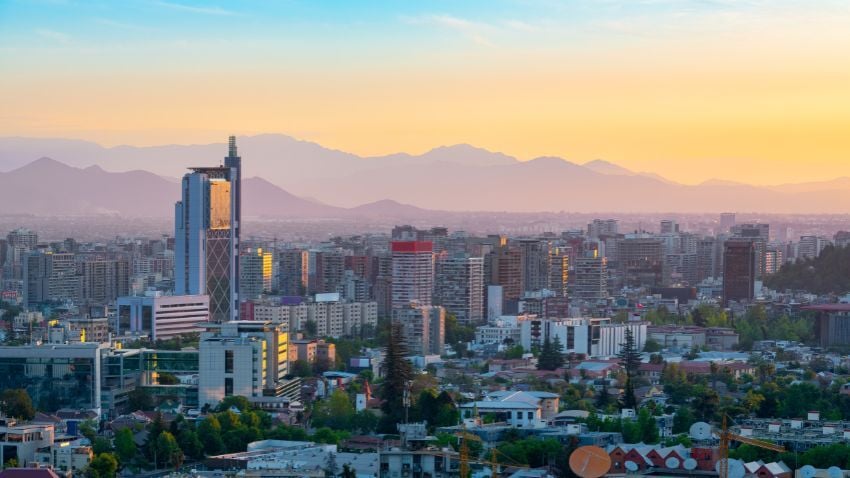
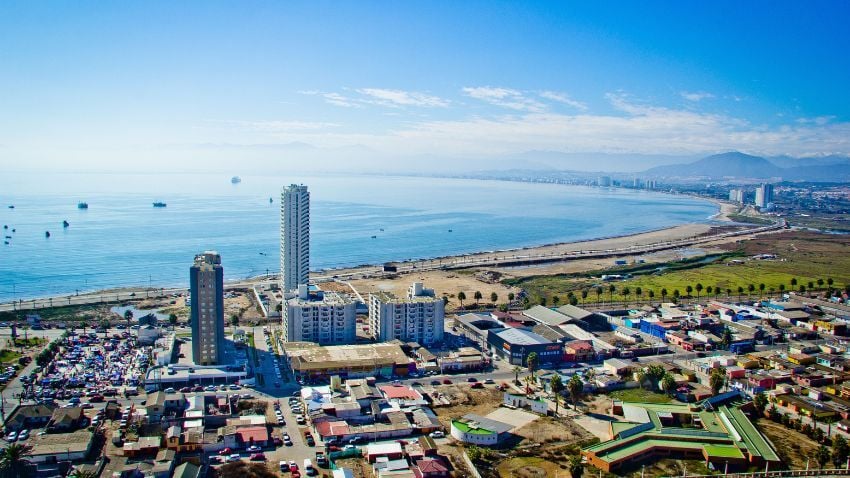
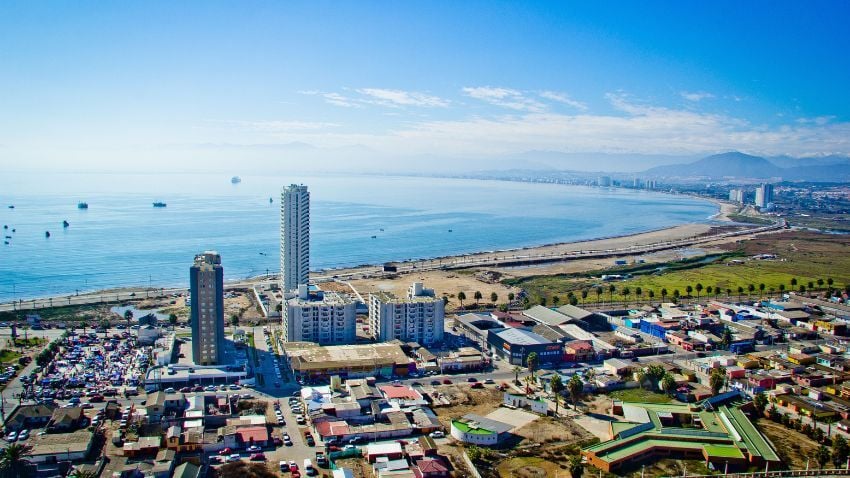
With a clear legal framework and defined visa categories, Chile provides a structured path to residency, particularly for those with stable income or business investment plans
5. CHILE
In Chile, you can apply for a well-defined residency path. Most foreign nationals begin with a Temporary Residency permit, typically granted for up to two years, depending on the category. These are some of the common paths to residency:
-
Pensionado Visa: As a typical visa for retirees, the Pensionado visa requires proof of stable foreign pension income. Although there is no published, fixed income requirement, immigration authorities generally require approximately $1,000 to $1,500 USD, depending on exchange rates.
-
Rentista (Passive Income) Visa: If you have regular foreign-sourced income from investments, rentals, or dividends, you can apply for this visa. Authorities typically expect income in the range of $1,000 to $1,500 USD per month.
-
Investor Visa: The residency-by-investment option is also available in Chile. With a minimum investment of $500,000 USD in productive business activities (not passive real estate), you can apply for this visa.
After 24 months of temporary residence, you may apply for Permanent Residency.
PHYSICAL PRESENCE
Physical presence is not required for temporary residence holders, but permanent residency holders may not be outside the country for more than 2 consecutive years. Otherwise, permanent residency could be revoked.
CITIZENSHIP
You must have held your residency for at least 5 years before applying for permanent residency in Chile. To apply, you must demonstrate legitimate residence in the country, a clean criminal record, proficiency in Spanish, and integration into Chilean society. This may include evidence of economic activity, employment, or investment, as well as social ties such as rental contracts or school enrollment.
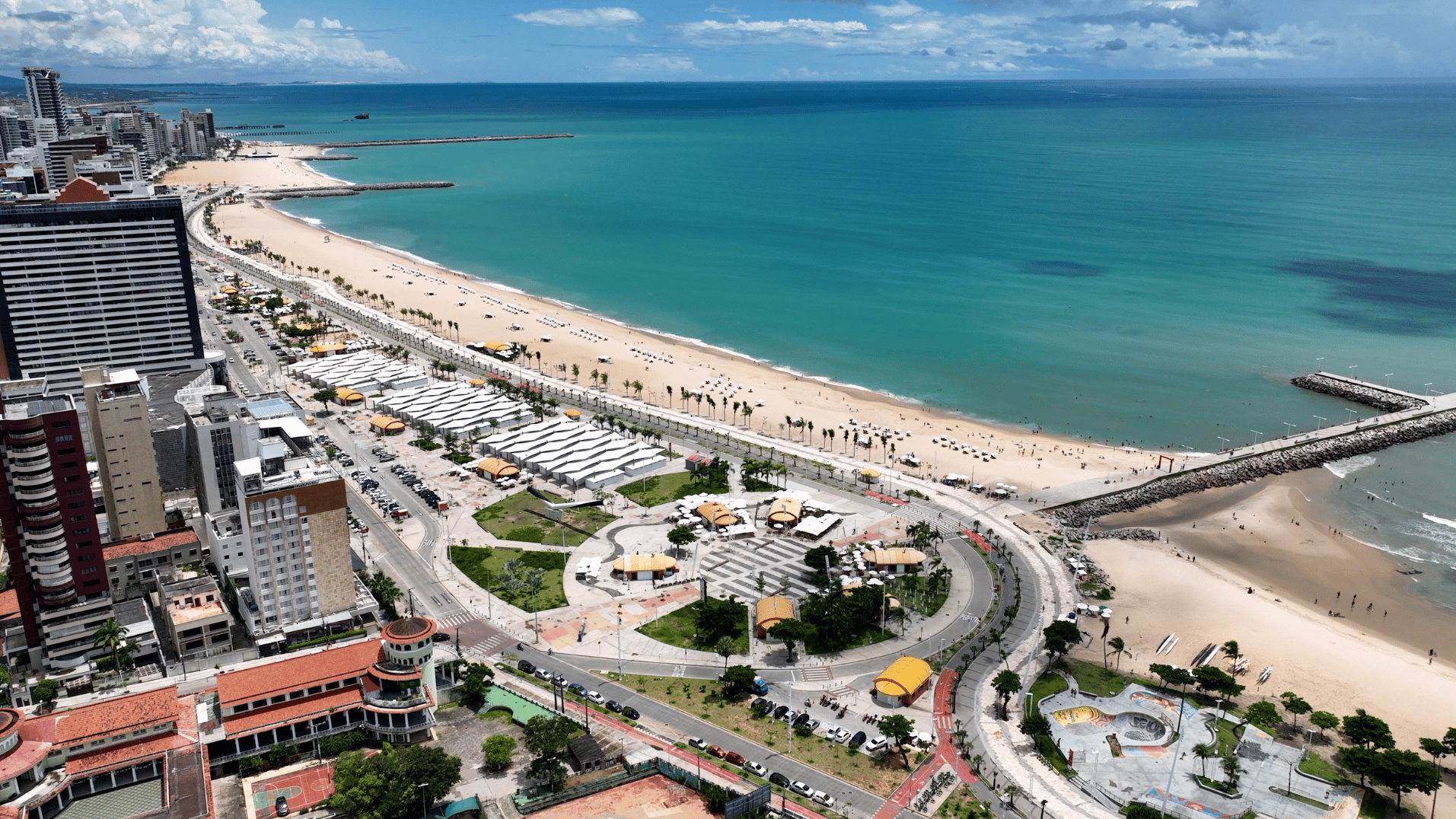
With flexible residency options based on income or investment, Brazil provides a well-established path to permanent residency and eventual citizenship for expats
4. BRAZIL
Brazil offers both category-based and investment-based residency routes. Below are the common paths to permanent residency in the country:
-
Retirement (Aposentado) Visa: Brazil offers a retirement visa for those with a pension of approximately $2,000 USD per month.
-
Investor visa: You can obtain permanent residency by investing approximately $100,000 USD.
-
Real Estate Investment Visa: Investing in real estate for permanent residency is also a great option for expats. You must purchase urban property valued at approximately R$700,000.00 (~$130,000 USD). Alternatively, you can purchase a property in the Northeast Region worth roughly R$1,000,000.00 (~$190,000 USD).
PHYSICAL PRESENCE
You may lose your permanent residency if you remain outside of Brazil for more than two consecutive years.
CITIZENSHIP
The route to citizenship is open after 4 years of continuous residence in Brazil, provided the applicant demonstrates proficiency in Portuguese and effective integration into Brazilian society. This may include employment, community involvement (such as membership in local organizations or clubs), and knowledge of Brazilian culture.
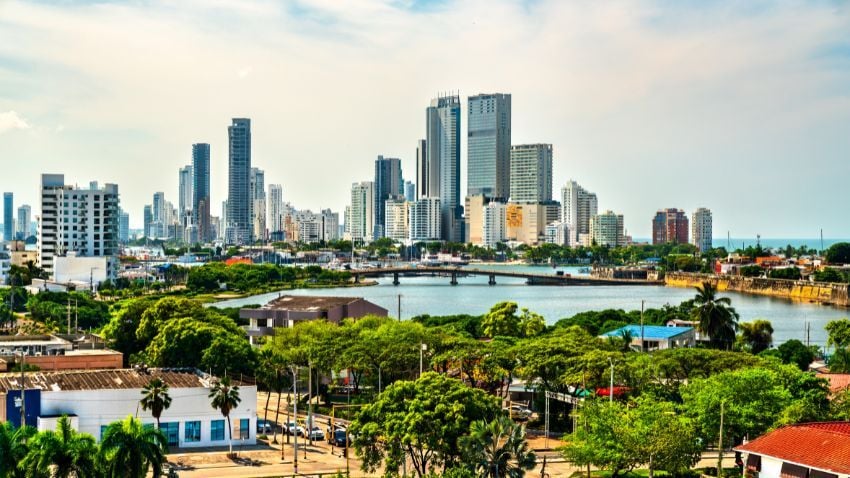
Colombia offers multiple residency paths, such as pension, passive income, and investment visas, allowing expats to gain permanent residency and eventually citizenship with relatively flexible stay requirements
3. COLOMBIA
Colombia has a category-based immigration system. While investment visas exist, they are only one of several paths to residency. Expats can also qualify through other categories without purchasing real estate or making a government donation.
Expats usually begin with a Migrant (M) visa, typically valid for up to three years, depending on the category.
Common pathways include:
-
Pensionado Visa: Those with a lifetime pension income equal to at least three times the Colombian minimum monthly wage (roughly $1,400 USD, depending on exchange rates) can apply for this visa program to obtain rapid residency in Colombia.
-
Rentista Visa: If you can prove your passive income is at least 10 times the Colombian minimum wage (approximately $4,500 USD), you can apply for this residency path.
-
Property (M) Investment Visa: You may also invest 350 times the minimum wage, or 350,000,000 pesos (approximately $164,000 USD), in real estate to qualify for this temporary residence visa.
After holding a Migrant visa for five continuous years, you may apply for a Resident (R) visa to obtain an indefinite stay.
PHYSICAL PRESENCE
Although Colombia does not impose rigid annual minimum-day requirements for visa maintenance, visa holders must avoid prolonged absences that could be interpreted as abandonment of residence. Those with a Permanent Resident (R) visa should not be absent for more than two consecutive years.
CITIZENSHIP
Naturalization is generally available after five years of residence (or two years for Latin American nationals or spouses of Colombian citizens).
Related Content: Essential Guide On Colombian Visas For Expats
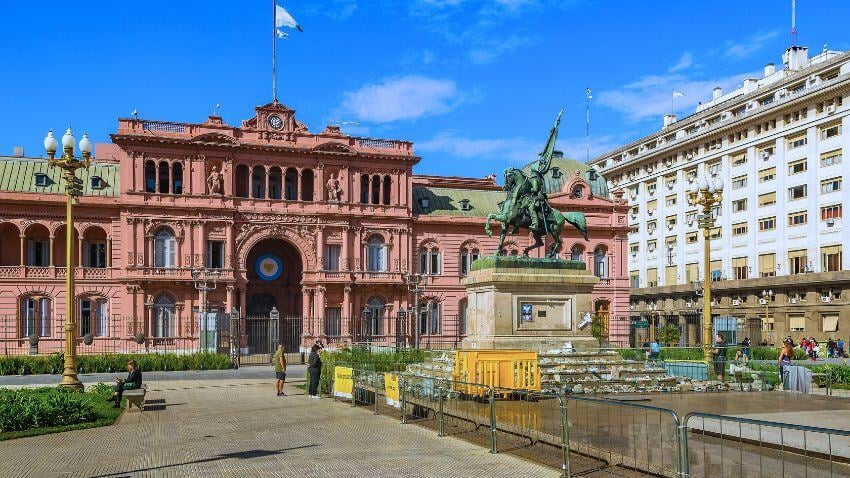
Argentina offers multiple residency pathways, such as income, pension, or investment, with the possibility of citizenship in two years of continuous residency
2. ARGENTINA
Argentina’s immigration system is structured around personal status categories such as income, employment, study, or family reunification. However, you can also apply for residency through investment. Argentina announced its Citizenship by Investment (CBI) program in July 2025, with a launch expected in 2026. Argentina is part of the U.S. Waiver Visa Program, which allows Argentinians to enter the U.S. visa-free. Under President Javier Milei's leadership, Argentina has made great progress since 2023 in taming inflation and stabilizing the economy. However, expats will need to see how Millei’s reforms unfold, and you should always do your own due diligence before deciding to relocate to any expat destination. Some common residency paths are explained below:
-
Rentista Visa: This visa requires proof of stable foreign passive income, with a baseline of 5 times Argentina's minimum wage (currently ARS 350,000/month).
-
Pensionado Visa: You need proof of a lifetime foreign pension of approximately 5 times the Argentine minimum wage (about $1,200 USD).
-
Investor Visa: You can also apply for an investor visa by investing approximately $1,000 USD in a business. Although the amount is low, you must actively run your business.
After two years of legal residence, individuals may apply for permanent residency.
PHYSICAL PRESENCE
Argentina requires expats to maintain legitimate residence in the country. For citizenship purposes, physical presence is critical. There is no statutory minimum-day formula, but you must show residency through documents such as utility bills, rental contracts, property deeds, address certificates, bank statements, employment records, or residency card history.
CITIZENSHIP
After two years of continuous physical residence, a foreign national may petition a federal court for naturalization. Unlike many other countries, Argentina does not require you to obtain permanent residency before applying. Although processing times may range from 12 to 24 months, this straightforward citizenship path is an exceptionally positive option for expats considering living in Argentina.
Related Content: Argentina Launches Citizenship By Investment Program
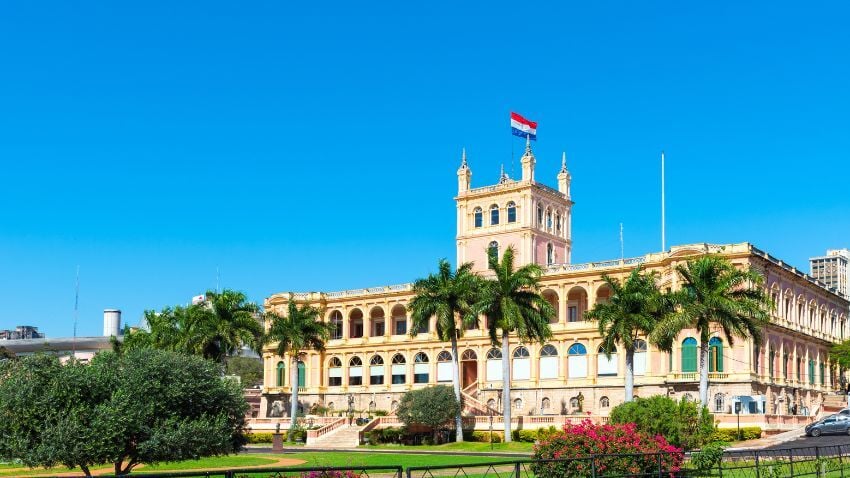
Paraguay provides one of the easiest residency systems in South America, leading to permanent residency and citizenship with minimal physical presence
1. PARAGUAY
Paraguay offers the most straightforward residency frameworks in South America. There is no requirement to purchase real estate, make a government donation, or commit a fixed amount of capital to qualify for legal status. Expats can begin by applying for Temporary Residence with the required documents.
Temporary residence is typically granted for two years. After maintaining legal status during that period, you may apply for Permanent Residence, which allows an indefinite stay. The path to permanent residency is sequential and clearly structured: temporary status first, then permanent status.
Along with its easy residency structure, Paraguay is also an excellent destination for expats due to other appealing features, such as its territorial tax system, low cost of living combined with a high standard of living, and many high-yield investment opportunities. I highly recommend Paraguay to expats as a second residency option, and Expat Money can provide the best assistance with your application in just one trip to the country.
PHYSICAL PRESENCE
Paraguay has one of the most flexible physical-presence requirements in South America. First, you need to visit the country for a short period to submit documents, provide fingerprints, and complete biometric registration. After you obtain temporary residency, visiting the country once per year as an occasional trip is sufficient to meet the presence requirement. If you are granted permanent residency, visiting Paraguay every three years will usually satisfy the physical presence requirement.
CITIZENSHIP
After three years of residence, you will be eligible for a citizenship application. As usual, applicants are expected to show genuine ties with the country, such as proof of residence and economic activity.
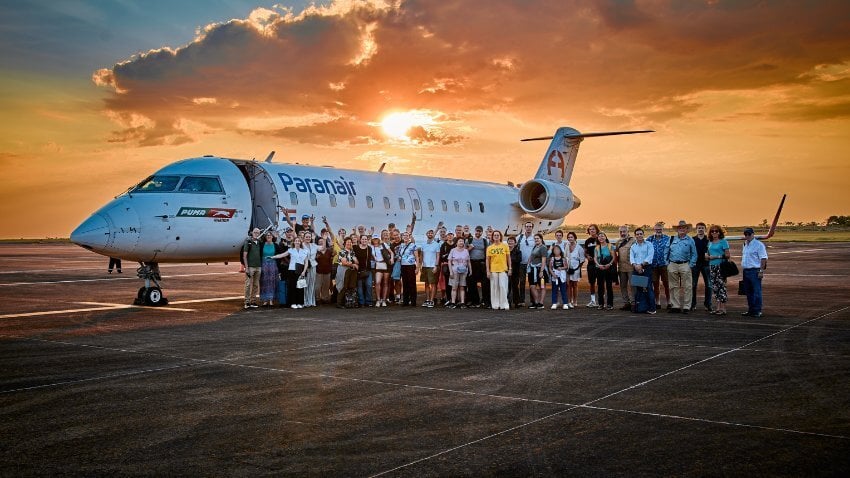
Ease of immigration in South America isn’t everything; taxes, cost of living, and long-term strategy matter. Paraguay stands out with a territorial tax, while most countries tax global income
CONCLUSION
When evaluating the easiest countries in South America to immigrate to, remember that ease alone does not determine the best choice. Other factors, such as taxes, the economy, cost of living, safety, and lifestyle choices, also matter.
Tax obligations should not be taken lightly, as they can make a significant difference for expats with foreign income streams. Paraguay is the only country in South America that operates under a territorial tax system. Most other countries apply worldwide taxation. This means that once you become a tax resident, even temporarily, you may be required to declare and potentially pay taxes on income earned abroad.
Argentina and Brazil have high tax burdens. Chile and Colombia utilize worldwide taxation. When you move to these countries with the intent to immigrate, you become part of the local tax system. Foreigners and new residents are not exempt from these obligations.
Therefore, while this article highlights countries with simpler immigration processes in South America, the central argument is that ease alone does not equate to strategic advantage. For those seeking long-term relocation, a full assessment of additional factors is equally important. The final decision should always depend on individual circumstances, personal objectives, asset structure, and long-term planning. For more Plan-B options, download our free special report on Plan-B Residency and Instant Citizenship.



 Mikkel Thorup: March 26, 2026