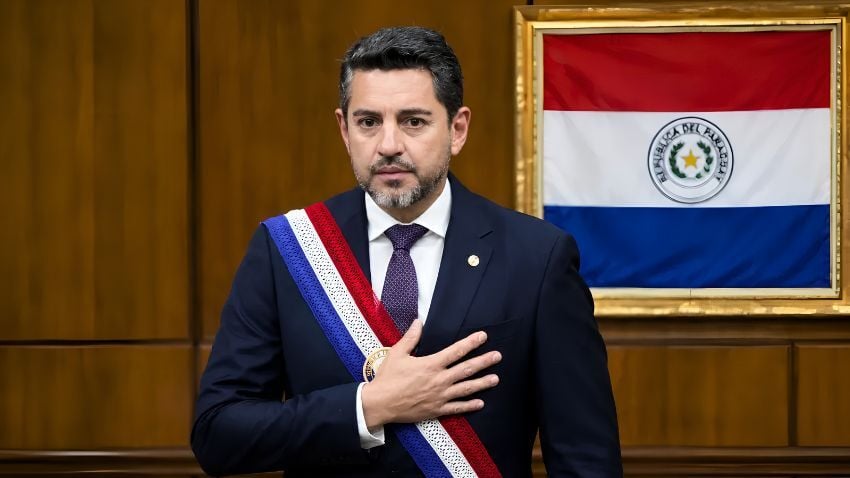
On Friday, November 6, 2026, the Senate removed President Santiago Peña from office by a vote of 44–0, a day after his attempt to resign stalled in Congress. Vice President Pedro Alliana was sworn in as president the same night.
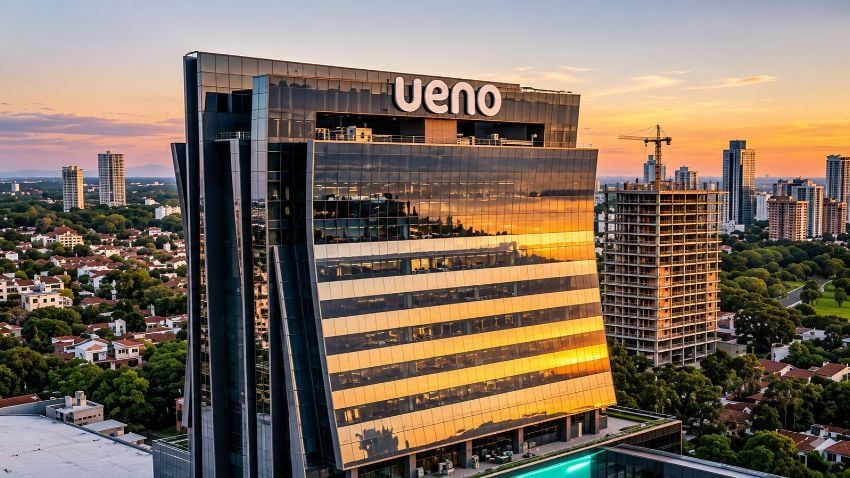
The political crisis followed the collapse of Ueno Bank, which reported more customers than any other bank in Paraguay. On Monday, November 2, the board of the Central Bank of Paraguay (BCP) voted to take control of Ueno, and the takeover took effect the next day. The bank’s app and cards stopped working, and its customers lost access to their accounts. On Wednesday, November 4, Congress passed an emergency law to accelerate repayments to depositors.
By November 11, the BCP had made advance payments available to every depositor covered by the guarantee. On November 17, the BCP extended the deadline for paying the remaining guaranteed balances to December 2.
Paraguay’s institutions have held up through all of it. The regulator and prosecutors acted quickly, and Congress followed the constitutional process for removing the president.
Expat Money has never recommended Ueno to clients as a place to keep their savings, and none of our real estate projects or partners in Paraguay have been affected. In this article, I will explain how Ueno failed, provide the latest updates on the repayment process, including when depositors can expect to receive the remainder of their guaranteed funds, and look at Peña’s removal and where Paraguay stands under its new president.
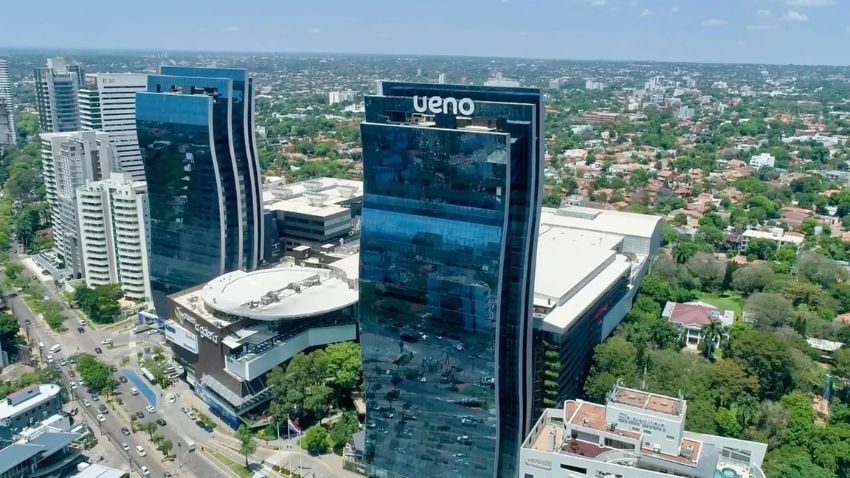
Ueno Bank entered a regulatory resolution process in November 2026 following serious concerns over its solvency and lending practices.
HOW UENO WENT UNDER
Ueno started as a finance company and got its banking licence in late 2023. In 2024, it absorbed Visión Banco, and by October 2026, Ueno had reported more than 3 million customers, making it the country's largest bank by customer count. It spent heavily on marketing. In March 2026, it sold $350 million USD in international bonds.
Ueno’s troubles started well before November. In June 2026, bank inspectors found that Ueno appeared to have been lending to companies owned by Grupo Vázquez, the group that controls the bank. A bank lending to its own owners is one of the oldest warning signs in finance. Fitch revised its outlook on Ueno to negative in mid-October, citing how fast the bank’s balance sheet had grown.
After adjustments to its accounts, Ueno’s solvency ratio fell below half the legal minimum. On Monday, November 2, 2026, rumours spread that the BCP was about to step in, and Ueno told the public that it was operating normally. The BCP's board voted unanimously that day to begin the resolution process, and the regulator announced it on Tuesday, November 3. Ueno's services shut down overnight. The regulator has run Ueno ever since and is working out what to do with its assets and operations.
Prosecutors moved just as fast. By Tuesday evening, November 3, eight senior executives were in custody, among them CEO Miguel Vázquez and bank president Juan Manuel Gustale. Since then, 27 bank officials and business associates have been charged with offences including breach of trust and attempted fraud, and six executives have been placed in pretrial detention. None of them has been convicted, and the allegations remain unproven.

The bank reportedly held more than $800 million USD in public funds, including deposits from pension and health institutions, raising concerns about the exposure of taxpayers’ money following its collapse.
THE PUBLIC MONEY INSIDE UENO
Ueno held about $813 million USD in public funds, including money from pension and healthcare institutions. Pedro Acosta Bernal gave that figure while he was the BCP's interim president. Government deposits at Ueno climbed after Peña took office in 2023 and accounted for approximately 29% of the bank's total deposits at the end of June 2026, according to figures reported by Bloomberg. Paraguay's Social Security Institute (IPS) is among the public institutions with the largest financial exposure to Ueno. According to figures reported locally, IPS had approximately $345 million USD deposited at Ueno, including certificates of deposit.
Ueno’s private customers chose the bank and took a risk with their own money. Workers who pay into IPS made no such choice. Paraguayan law requires salaried employees to contribute, and officials then placed hundreds of millions of dollars of that money in a young, fast-growing bank with ties to senior government officials. Carlos Carvallo, who was serving as BCP president when the bank entered resolution, had run Financiera Ueno until 2023. Peña owned shares in Ueno Holding until 2025, and Ueno says he never held shares in the bank itself.
Congress is already debating whether the deposit guarantee fund should cover public deposits in full. That proposal has gone to Senate committees and is not part of the emergency law. Business groups want small savers paid first, and they are right: a fund meant to protect households should not be drained to cover losses that came from the state's own choices about where to put its money.
THE PAYOUT IS MOVING FAST
Congress passed Law 7745 on Wednesday, November 4, and Peña signed it that night. It lets the deposit guarantee fund pay out an advance without waiting for the takeover to wrap up. On Thursday, November 5, the BCP announced the first stage of the repayment process, beginning with eligible depositors holding up to ₲10 million. Payments were then extended to additional groups of depositors. By the close of Monday, November 9, the BCP had paid 1,738,804 depositors a total of ₲2.13 trillion (about $345 million USD). On Wednesday, November 11, it said advance payments had been made available to every depositor covered by the guarantee. The amount and timing of your payment depend on your balance and eligibility. Eligible depositors with balances up to ₲121.76 million have had their full guaranteed balances made available, while those with larger balances have access to the advance and are waiting for the remainder of their guaranteed funds. The table below explains the process.
|
Item
|
What We Know
|
|
Advance
|
Up to ₲121.76 million (about $19,500 USD) per depositor. It counts toward the full guarantee and is not an extra payment.
|
|
Timing
|
Payments began on November 5 for depositors with balances of up to ₲10 million, no debts to Ueno and an active account at another Paraguayan bank or finance company. Later stages included depositors with larger balances, depositors with debts to Ueno and those holding multiple accounts. By Wednesday, November 11, the BCP had made the advance available to all covered depositors.
|
|
How You Get Paid
|
From November 5, eligible customers received instructions naming the bank that would handle their payment. An existing account at another Paraguayan bank was used where possible.
|
|
Currency
|
Guaranteed amounts are paid in guaraníes. Dollar deposits are converted at the BCP’s exchange rate on November 3, 2026, when the takeover took effect.
|
|
Full Guarantee
|
Up to ₲228.3 million (about $36,500 USD) per depositor. All eligible deposits at Ueno are counted together, and the guarantee applies per depositor rather than per account. The BCP estimates 97% of depositors are fully covered.
|
|
Above The Limit
|
Recovery depends on what the officials overseeing Ueno's resolution can recover from the bank's assets. No recovery estimates or payment dates have been announced.
|
|
Deadline
|
On November 17, the BCP approved a 15-calendar-day extension under Law 2334/2003, setting December 2, 2026, as the deadline for honouring the remaining deposit guarantees.
|
I would be surprised to see Greece, Cyprus, or Spain move this fast. There is still work ahead. On November 17, the BCP approved a 15-day extension to the original repayment deadline, giving it until December 2 to honour the remaining deposit guarantees. The officials overseeing Ueno’s resolution had made progress in assessing the bank’s assets and liabilities, but accounting discrepancies, limited access to information and the complexity of the bank’s operations prevented them from completing their work.
The BCP instructed officials to continue these assessments as a priority, without waiting for the extended deadline to expire. Customers with balances above the guarantee limit still face uncertainty over how much they will recover. Anyone who held U.S. dollars at Ueno is being paid in guaraníes and would have to convert the proceeds back into dollars at the prevailing exchange rate. Still, the government deserves credit for enacting the emergency payout law so quickly, as does the BCP for distributing the advance, whatever else the government got wrong.
The BCP has also released figures on who is owed what. Some are preliminary estimates, and none has been independently verified, so treat the table below as a snapshot rather than a final count.
|
Item
|
Figure
|
|
Accounts With A Balance
|
About 1.87 million, after empty accounts were removed.
|
|
Paid An Advance By November 9
|
1,738,804 depositors, or 93.1% of those in the process, totalling ₲2.13 trillion (about $345 million USD).
|
|
Still Waiting On
November 9
|
About 7%, mainly depositors holding certificates of deposit, depositors whose records were under review and those whose balances were blocked.
|
|
Paid An Advance By November 11
|
Every depositor covered by the guarantee.
|
|
Fully Covered By The Guarantee
|
About 97% of depositors (BCP preliminary estimate).
|
|
Above The Guarantee Limit
|
About 3% of depositors (BCP preliminary estimate).
|
|
Private Deposits At Ueno
|
About $2.06 billion USD.
|
|
Private Savings Above The Guarantee
|
About $1.3 billion USD.
|
|
Public Funds At Ueno
|
About $813 million USD.
|
Despite the high proportion of fully covered depositors, a small group of customers with large balances accounts for a substantial amount of uninsured savings. How much of that money comes back depends on what the officials overseeing Ueno’s resolution can recover from the bank’s assets.
A breakdown of Ueno’s clients by account balance has also been circulating in Paraguay. The figures come from an unidentified spreadsheet, and the BCP has not confirmed them. That is why these numbers should be treated with caution.
|
Balance
|
Clients
|
Share
|
|
No balance
|
1,289,750
|
40.5%
|
|
₲1 to ₲1 million
|
1,643,795
|
51.6%
|
|
Over ₲1 million to ₲10 million
|
204,932
|
6.4%
|
|
Over ₲10 million to ₲100 million
|
45,093
|
1.4%
|
|
Over ₲100 million to ₲300 million
|
3,513
|
0.1%
|
|
Over ₲300 million
|
1,134
|
Under 0.1%
|
|
Total
|
3,188,217
|
100%
|
More than nine in ten clients in the spreadsheet either had an empty account or held no more than ₲1 million, which is about $160 USD. The guarantee limit of ₲228.3 million (about $36,500 USD) sits inside the ₲100 million to ₲300 million bracket. If the spreadsheet is accurate and the figures represent combined balances per depositor, no more than about 4,650 clients could be above the guarantee limit. That would represent fewer than 0.3% of clients with a positive balance, compared with the BCP's preliminary estimate of 3%. However, the two figures may not be directly comparable.
FROM PEÑA TO ALLIANA
On Tuesday, November 3, Peña asked BCP president Carlos Carvallo to resign, and Carvallo did so. The following day, 35 deputies filed impeachment charges against Peña and Vice President Pedro Alliana, accusing Peña of a conflict of interest over his former shares in Ueno Holding and of misusing pension funds. Peña’s own Colorado Party then turned on him, and Senate President Basilio Núñez said publicly that he should step down.
Peña offered his resignation on Thursday, November 5, in a recorded video, saying he acted with “the stability of our country” and social peace in mind. He apologized but did not accept responsibility for the crisis. Congress did not vote on the resignation because the joint session ended for lack of a quorum. Many lawmakers wanted a trial instead. Article 189 of Paraguay's Constitution provides for lifetime Senate membership for democratically elected former presidents, except those convicted through impeachment. The Chamber of Deputies then voted 78–0 to send Peña to trial. In a separate vote, deputies rejected the impeachment proposal against Alliana by 48 votes to 30.
On Thursday night, the Senate formally received the charges and constituted itself as the court that would try Peña. It rejected his request for an additional 72 hours to prepare his defence, and the trial ran for about ten hours on Friday, November 6. Peña did not attend, and his lawyers argued that the case was moot because they considered his resignation already effective. At 6:55 p.m., all 44 senators present voted to remove him, well above the 30 votes required. Peña’s own party voted against him. Colorado Party president Horacio Cartes had been Peña’s political mentor but backed the impeachment.
Alliana was sworn in before Congress the same night and will serve out the term until August 15, 2028. Hours later, prosecutors detained Peña. On Saturday, November 7, they charged him with breach of trust and with administering resources for his own benefit, and a judge ordered him held in pretrial detention at the Presidential Escort Regiment. Carlos Carvallo was charged in the same case and is also being held in pretrial detention. Peña denies any wrongdoing, and neither man has been convicted.
Alliana moved quickly to steady the government. He asked all ministers to place their resignations at his disposal, then retained the economy and foreign ministers. He appointed economist Jorge Schreiner to run the Central Bank following Senate confirmation on Monday, November 9. Taxpayers whose payments were held up by Ueno’s collapse will not be charged fines or interest. “No Paraguayan should pay the consequences of a problem they did not cause,” Alliana said.
I have met Peña a couple of times. My view of Paraguay never depended on him staying in office, because what I watch is whether the institutions do their jobs. In the first week of the crisis, the actions of the Central Bank, prosecutors and Congress demonstrated that they did.
None of this excuses how Ueno grew so large with so much public money deposited in it. By the time regulators intervened, substantial public funds were already at risk. How much of that money can be recovered remains to be seen.
THE REST OF THE BANKING SYSTEM
The BCP says Ueno's problems are specific to the institution and that its resolution process is intended to protect depositors and preserve the stability of Paraguay's financial system. Pedro Acosta Bernal took over as interim Central Bank president on Wednesday, November 4, and said the banking system was sound. Jorge Schreiner has since taken over as president, and Acosta Bernal remains on the board. The Paraguayan Banking Association says its members remain solvent and liquid. So far, I have seen no sign of stress spreading to other banks. The guaraní had a rough week and lost more than 8% against the dollar over five days. It steadied once Alliana took office, and on Monday, November 9, the dollar fell back from ₲6,600 to about ₲6,300 at exchange houses.
The rating agencies did not change Paraguay’s sovereign credit ratings either. Moody’s kept Paraguay at Baa3 and S&P kept it at BBB-, both investment-grade ratings with stable outlooks, and both said the bank failure and the change of president had no immediate effect on the country’s credit rating.
WHAT TO DO IF YOU HAD MONEY AT UENO
The BCP oversees the payouts. Follow its instructions and protect yourself against anyone trying to exploit the confusion:
-
Check the BCP's official website, www.bcp.gov.py, and its verified social media accounts for payment instructions. Its deposit guarantee page shows which financial institution has been assigned to handle your payment.
-
If you have not received your advance, contact the BCP through the channels listed on its deposit guarantee page. It has been handling queries and claims since Thursday, November 12.
-
If your Ueno savings were in dollars, expect your payment in guaraníes.
-
Ignore anyone who contacts you offering a faster refund, and never share your password or card details.
-
If you had eligible deposits exceeding ₲121.76 million at Ueno, the BCP has until December 2 to pay the remainder of your guaranteed balance.
-
If you had more than ₲228.3 million (about $36,500 USD) at Ueno, talk to a Paraguayan lawyer about claiming the portion of your balance that exceeds the guarantee limit.
-
If you do not have another Paraguayan bank account, follow the BCP's instructions. The regulator says an account can be opened in your name at another financial institution to receive your payment.
If you had nothing at Ueno, you do not need to do anything. It is still a good idea to check how much you hold at each bank.
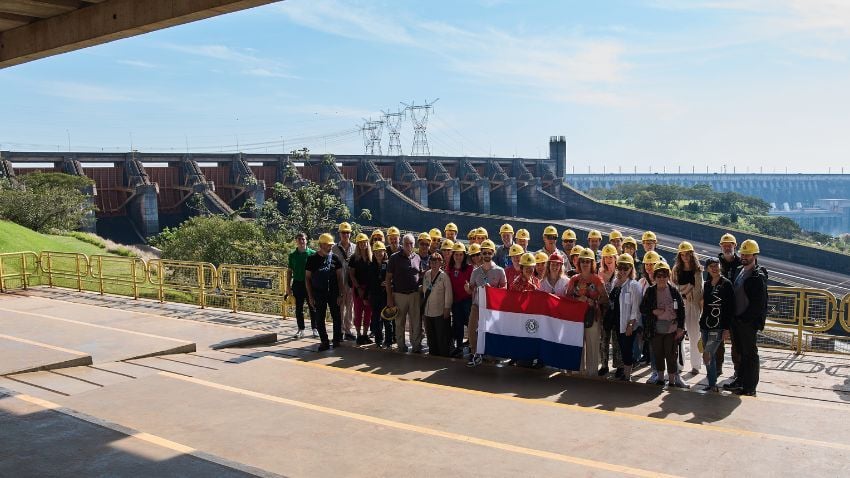
I've been a strong believer in Paraguay's potential for years, and despite the challenges the country is facing, my confidence in its long-term future hasn't changed.
CONCLUSION
The reasons I like Paraguay are still in place: territorial taxation, residency that ordinary people can actually get, and an open, growing economy connected to the world. None of those things depended on Santiago Peña becoming president, and none of them disappear because he has been removed from office.
I am not going to play down what happened. Paraguay's largest bank by customer count collapsed, and hundreds of millions of dollars in pension money were stuck inside it. Former President Santiago Peña is in pretrial detention. But an emergency law providing for payouts to depositors was enacted the day after Ueno entered resolution, and advance payments had been made available to every covered depositor by November 11. When the Senate voted to remove Peña, Alliana was sworn in that same evening, with no gap in government.
Bank failures can happen anywhere, and Ueno's collapse reminds you never to depend on a single bank. Keep your balance below the deposit guarantee limit and maintain a second local bank account so you can still pay your bills if one institution shuts its doors.
I have been positive about Paraguay for years, and that has not changed. Paraguay's future is bigger than Santiago Peña, and one political crisis does not erase everything the country has going for it. We will continue to follow the situation closely and keep you informed.
If you are still evaluating your options for building your Plan-B, download our free special report on Plan-B Residencies & Instant Citizenships.






















 Mikkel Thorup: November 23, 2026