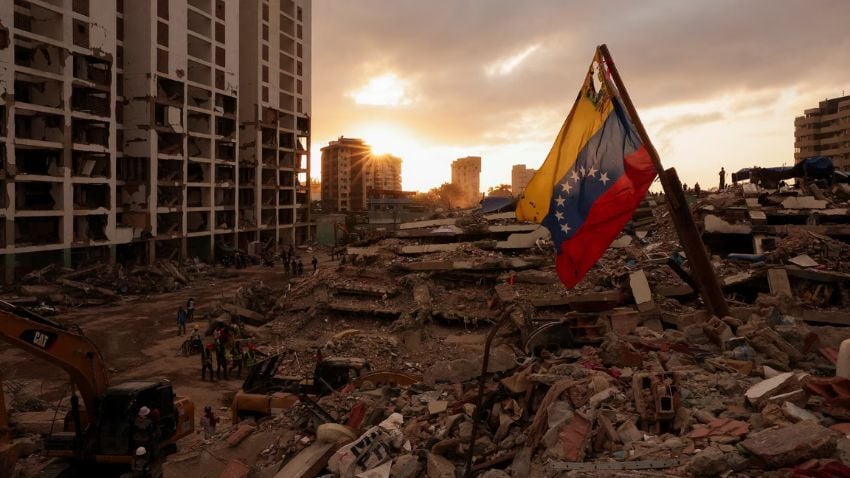
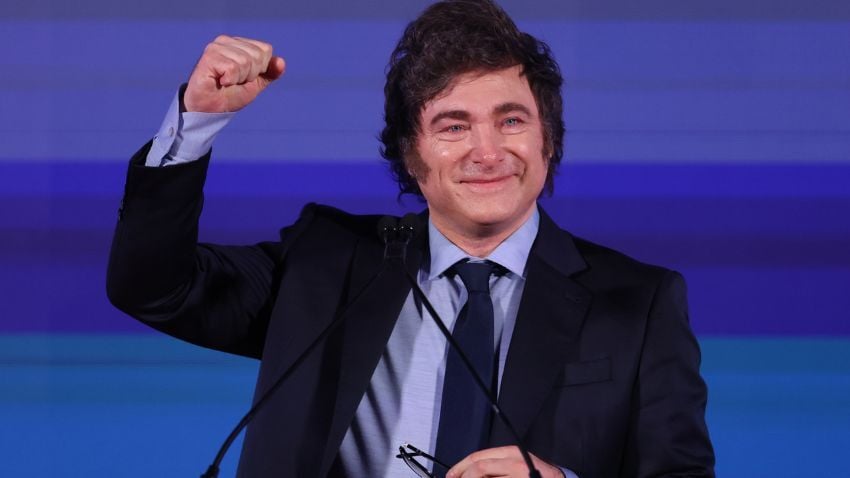
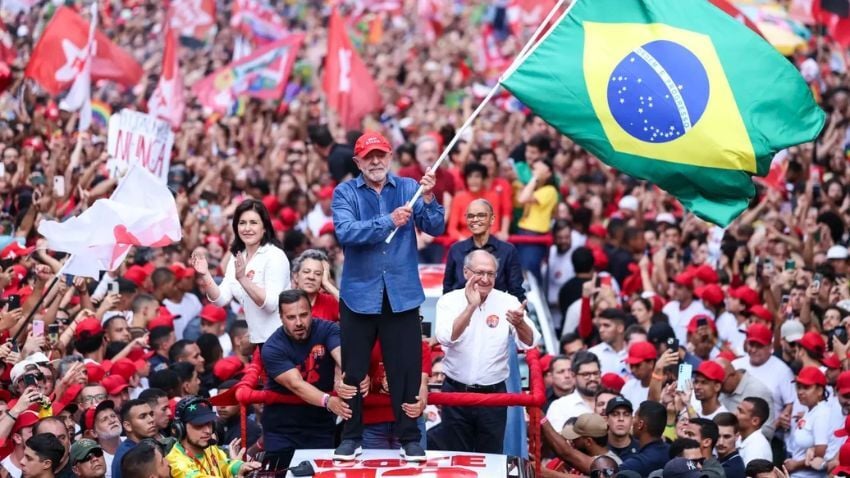
This is not the article I hoped to write. On Sunday, October 25, 2026, Lula won a fourth term as Brazil’s president, beating Senator Flávio Bolsonaro with 51.79% of the vote to 48.21%. My heart goes out to the millions of Brazilians who wanted a different future for their country and went to bed on Sunday night facing four more years of the Workers’ Party.
After Flávio’s strong first-round performance, I expected him to finish the job, and so did most of the markets. Lula brought more voters to the polls in the second round, and his margin of about 4.4 million votes settled the race.
But Lula is returning to Brasília under very different circumstances than in his previous terms. His election-year spending spree could leave Brazilians facing higher interest rates and inflation, while his opponents have emerged from the election with a stronger position in Congress. He faces what may be the most hostile legislature of his career, with much of South America governed by the right and no eligibility for immediate re-election in 2030.
In this article, I will explain why Lula’s fourth term will look very different from his first three, and why Brazil remains one of the most interesting places in Latin America to put your money.
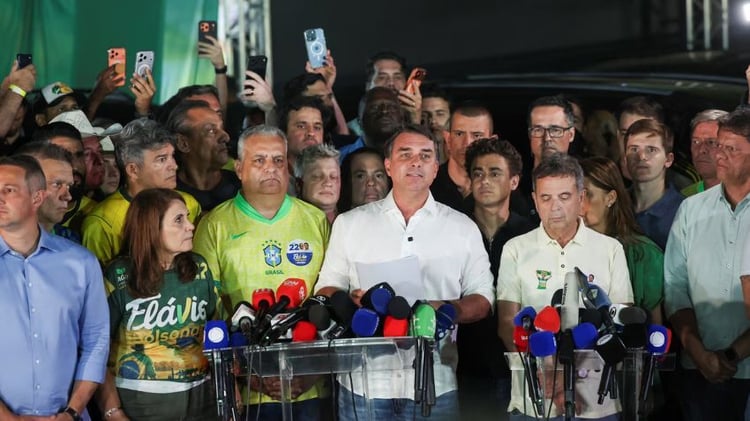
Flávio Bolsonaro challenges Brazil’s presidential election results and calls for the vote to be annulled, citing alleged irregularities in the extension of voting hours
A CONTESTED NIGHT
Flávio has refused to concede. He says his lawyers will ask for the election to be annulled because Supreme Court Justice Cristiano Zanin ordered voting hours extended by two hours on Sunday afternoon, following a request from Lula’s coalition. The ruling was later clarified to apply only to polling stations that had not already closed at 5 p.m. Zanin is a justice of the Supreme Federal Court, not a member of the Superior Electoral Court, and he was Lula’s personal lawyer before Lula appointed him. Flávio’s own campaign had asked for extra hours in several southern states because of heavy rain, so both campaigns sought extensions in areas where they believed additional voting time was needed.
Kassio Nunes Marques, who heads the electoral court, says the extra two hours did not change the result. He also admitted that nothing like this had ever happened in the court’s history. Nothing has been proven, and I hope every legitimate concern gets a proper investigation. A country that uses electronic voting machines needs voters on both sides to believe the count, and a late rule change from a judge outside the electoral court makes that harder for half of Brazil.
THE WEAKEST LULA YET
Lula wins the presidency, but he will govern a very different country from the one he took over in 2003. Brazilians elected their president and their Congress on separate ballots, and they sent Lula back to Brasília with the most hostile legislature he has ever faced. Flávio’s Liberal Party won 121 seats in the Chamber of Deputies, the most any single party has won since 1990. In the Senate, the left will hold just 15 of 81 seats from February 2027.
Congress is unlikely to approve Lula’s proposed tax increases or larger budgets without a fight. Every major spending plan will have to pass through a legislature controlled by his opponents and by the Centrão parties, which sell their votes one bill at a time. The Central Bank will not bail him out either. It has been independent by law since 2021, and even the central bank governor appointed by Lula maintained the benchmark interest rate at 15% for roughly nine months before beginning to lower it in March 2026.
Lula also cannot seek another consecutive term in 2030. The constitution allows only one consecutive re-election, and Lula turns 81 this week. The race for 2030 starts now, and the right enters it with the largest party in Congress and a candidate pool that has just learned what went wrong.
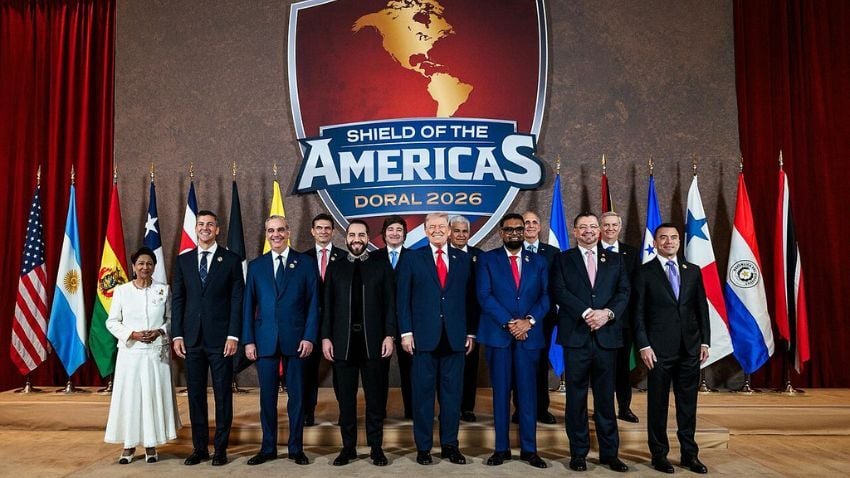
Latin American leaders gather at the Shield of the Americas Summit as the region moves toward greater economic liberalization and stronger security cooperation
THE REGION KEEPS MOVING TOWARD FREE MARKETS AND SECURITY
Brazil voted to stay put, but its neighbours did not move back. Javier Milei in Argentina, Santiago Peña in Paraguay, José Antonio Kast in Chile, Keiko Fujimori in Peru and Abelardo de la Espriella in Colombia are all still in office. At the next Mercosur summit, Lula will face governments with differing priorities, including Argentina and Paraguay, whose leaders favour greater trade liberalization and more flexibility for individual member countries. Before, he could count on allies in Buenos Aires and Santiago. Now he has fewer ideological allies in the region.
The pressure will not stop at trade. Colombia has joined the Shield of the Americas, and Brazil’s criminal factions operate across borders where the new governments want to hunt them down. A Lula government that refuses to cooperate will find itself isolated in its own neighbourhood. The right turn I wrote about in March 2026 has lost its biggest prize for now, but nothing about the trend itself has changed.
WHY BRAZIL STILL CANNOT BE IGNORED
Brazil has the largest economy in Latin America and a domestic market of more than 210 million people, and its farms make it the world’s largest exporter of soybeans and coffee. Its offshore oil fields put it among the world’s ten largest producers, and only Australia exports more iron ore. Brazil also holds the second-largest rare-earth reserves on the planet after China, and none of that changed on Sunday night.
Brazil is one of the four founding members of BRICS, alongside Russia, India and China, and still the only Latin American member of the group. Rio de Janeiro hosted the bloc’s summit in 2025, and a former Brazilian president, Dilma Rousseff, runs its development bank in Shanghai. China alone buys more than a quarter of everything Brazil exports. Whatever Lula’s politics may be, that membership makes Brazil a bridge between American and European investors and the large emerging economies of Asia, and businesses based there can sell in both directions.
Washington wants something from Brazil too, because its rare earths are one of the few ways to loosen China’s grip on refining, and that gives Brasília leverage with both sides of the world’s biggest rivalry.

Latin America offers opportunities for international diversification, with countries such as Brazil, Panama, Costa Rica, and Paraguay providing different options for investment, residency, and wealth protection
PLANT YOUR FLAG NOW
If you have been waiting for the perfect moment to get into Brazil, Sunday’s result changes less than you might think, because opportunities remain regardless of Lula’s victory. Under his government, prices still carry a political discount that a right-wing government would erase. If Brazil shifts to the right in 2030, those who invest during Lula’s fourth term will already own assets that others may be seeking.
You can plant your flag in Brazil while keeping your home base somewhere friendlier. Brazil taxes its tax residents on worldwide income, and Lula’s government has already tightened the rules on offshore funds and companies. You do not have to live under that system to profit from Brazil. The region already has established expat destinations with stable politics and open markets, far from the conflicts dominating the news.
Panama, Costa Rica, and Paraguay all tax only income earned inside their borders, and all make residency straightforward for foreigners. Paraguay has one more advantage, because it sits inside Mercosur right next to Brazil. Foreign nationals who meet Paraguay’s naturalization requirements can apply for citizenship after three years of permanent residence. Five years after acquiring Paraguayan citizenship, naturalized citizens can qualify for residency in Brazil and other participating countries under the Mercosur Residence Agreement, subject to the applicable requirements.
I have been investing in Brazil’s Northeast for years, and the reasons I went there have only grown stronger. Foreign tourism has been growing in several northeastern states, even as international arrivals to Brazil as a whole dipped slightly during the first seven months of 2026. Property there still costs far less than in São Paulo or Rio, even though advertised residential property prices in cities like Fortaleza and Salvador are rising much faster than the national average. The bigger driver is the people who live there. More families in the Northeast are joining the middle class and want homes of their own, which keeps developers in Fortaleza, Salvador and Recife busy. I kept investing in Brazil through Lula’s last term, and I will keep investing through this one.
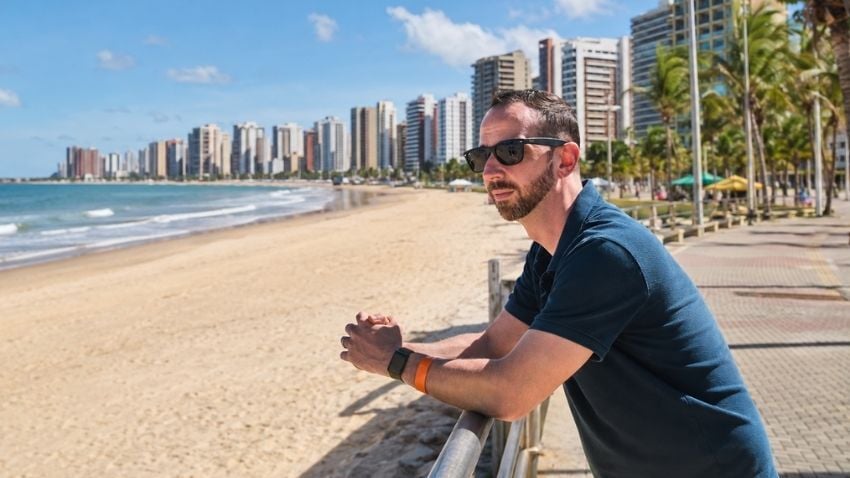
Despite Brazil’s political challenges, I remain committed to investing in the country, and I see growing opportunities across Latin America for those willing to take a long-term approach
CONCLUSION
Sunday was a sad day for Brazilians who wanted change, and I share their disappointment. Still, Brazil has outlasted far worse governments than this one. The country Lula governs is bigger and stronger than any government in Brasília, and its people keep building whether the politicians help or not.
Brazil is only one part of the picture. From Buenos Aires to Bogotá, governments are opening their markets to foreign capital and making their cities safer, and investors who arrive early in a reforming country tend to get the best prices. The right turn didn't stop on Sunday, and the money that follows will reward those who planted their flags first.
I'm putting my money where my mouth is. In our upcoming Brazil webinar, I'll be revealing a major personal investment project I've been working on in the country.
This is something I'm extremely excited to finally share with you, and I think you'll understand why I remain so bullish on Brazil once you see what we've been building.
Register here to join me for the big reveal.





















 Mikkel Thorup: October 26, 2026