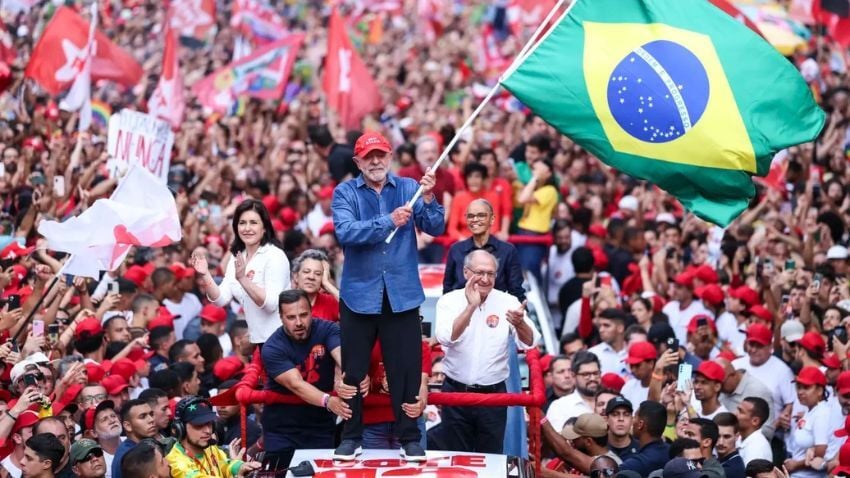
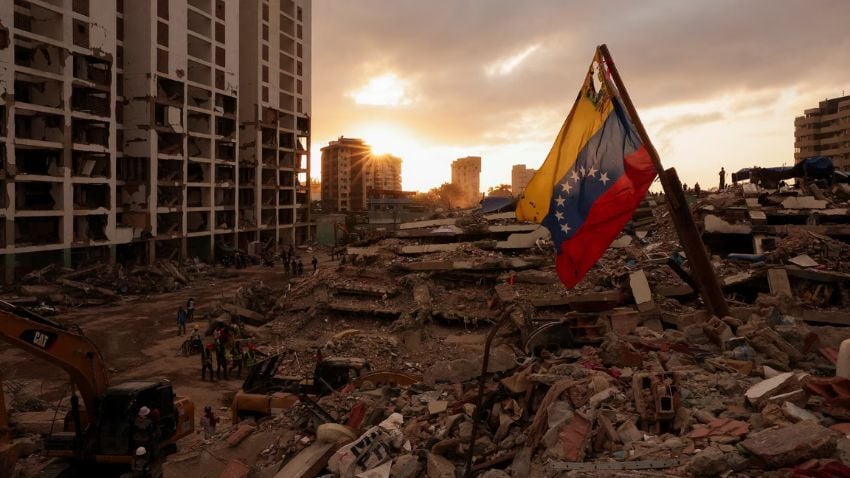
On October 17, 2026, about 550,000 people marched across France against the cost of living. Earlier that afternoon, a crowd had forced its way into Marseille's city hall. By nightfall, rioters were looting shops around Place de la République in Paris. Police made 2,397 arrests across the country that day. Close to a thousand police officers and gendarmes were injured, seven of them seriously.
Seven days later, they were back. On October 24, 2026, about 410,000 people marched again, watched by more than 70,000 police and gendarmes, and more than 1,300 were arrested. The unrest began a month earlier with high school students in the Paris suburbs, and similar protests have since broken out in Belgium, Italy, Spain, Portugal and Greece.
France spends a bigger share of its economy on social benefits than any EU country except Finland, and it runs one of the largest budget deficits in the eurozone, yet its hospitals and schools keep getting worse. Those facts explain the fires in Paris better than anything written on the protesters’ banners. Much of Europe faces similar pressures.
In this article, I will explain why France and much of Europe can no longer pay for what they promised, and why the only move is to plan your way out before the bill reaches you.
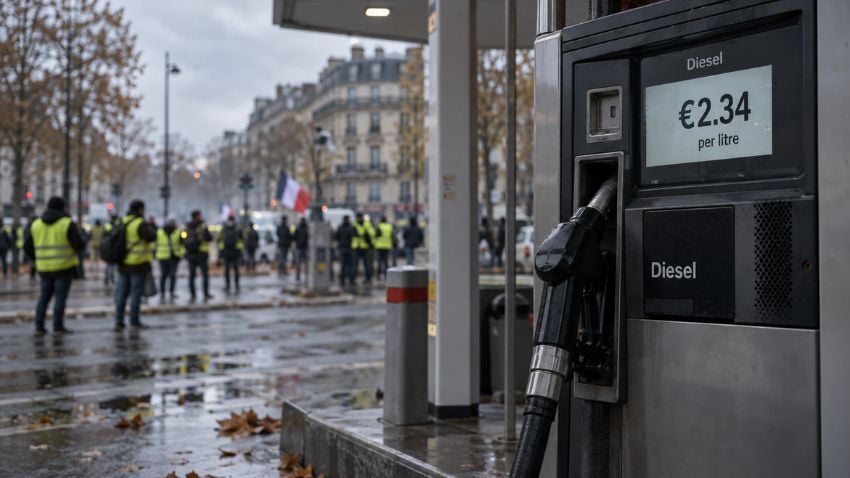
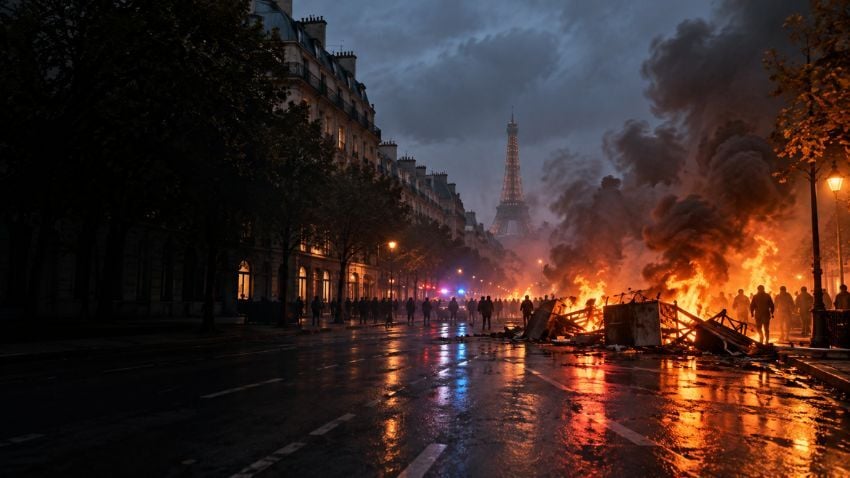
Rising diesel prices fuelled protests across France, with demonstrations escalating into riots, looting and clashes with police in several cities
HOW FRANCE'S PROTESTS ESCALATED INTO RIOTS
The school protests were the first fuse. A second one was already burning. Oil prices jumped after war broke out in the Middle East in the spring, and French diesel climbed above €2.30 a litre. By September 2026, TikTok was full of calls to bring back the Yellow Vests on October 17, 2026, and the unions, farmers, retirees and students all signed up.
The main march in Paris drew 110,000 people and passed without major incident. Trouble came afterwards. Violent ultra-left groups split off into wildcat marches through central Paris, tried to block the streets and looted shops along the way. By late afternoon they had company: a wave of people who came only to steal. One protester died of a cardiac arrest on Boulevard Magenta. The violence did not stay in Paris. Looters hit shops in Marseille and Nice, and in Lyon a branch of the tourist office on Place Bellecour was ransacked and set on fire.
By October 19, 2,513 people had been taken into police custody, and 67 had been jailed. By October 21, 174 had been jailed. For the second national protest on October 24, the government put more than 70,000 police and gendarmes on the streets. Interior Minister Laurent Nuñez said the marches “went well,” even though they ended with tear gas and water cannon in Paris.
ONE OF THE EU'S MOST "GENEROUS" STATES
In 2024, France spent 31.9% of its GDP on social benefits. Only Finland spent more, and the EU average was 27.3%.
Counting everything, the French state spent 57.3% of GDP in 2025, against an EU average of 49.4%. To fund it, France collects more in taxes and social contributions than any other EU member, at 45.4% of GDP.
France has a statutory 35-hour working week for full-time employees. Pension expenditure amounted to 14.6% of GDP in 2023. If this is so-called neoliberal austerity, I would hate to see the generous version. France has voted for this system for decades, and the people now in the streets want more of it, paid for by someone else.
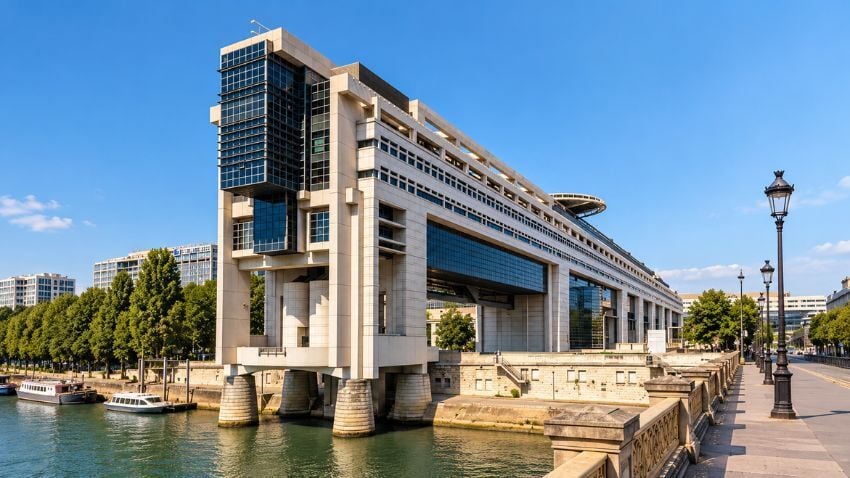
France’s Finance Ministry in Paris, as the country faces mounting debt, rising interest costs and growing pressure on public finances
THE BILL HAS ARRIVED
Oil prices will fall eventually. France’s debt will not. It stood at 115.7% of GDP at the end of 2025, hit a post-war record of 119% by the middle of this year, and keeps climbing no matter how many solemn promises come out of Paris. Interest is now the fastest-growing item in the budget, rising from €62.6 billion in 2026 to €72.9 billion in 2027. France is rearming, yet it will spend more on its creditors than on its military.
France also has fewer working-age people relative to its older population. In 2009, France had 3.6 people aged 20 to 64 for every person aged 65 or over. By the start of 2026, that ratio had fallen to 2.5, and pension expenditure had reached approximately €422 billion in 2025. You can march against a lot of things, but arithmetic has never once backed down. What the French get instead is a state that charges more and delivers less.
France’s own fiscal watchdog calls the government’s deficit target a bare minimum, and debt is still on course to pass 120% of GDP next year. The French signed up for the EU’s heaviest tax burden in exchange for being looked after from cradle to grave. The state kept the taxes and is now quietly renegotiating the cradle and the grave, starting with a freeze on pensions.
THE RADICAL LEFT HAS A "SOLUTION" FOR THE BUDGET DEFICIT
Amid the protests, the CGT, one of France’s most powerful radical-left trade unions, demanded higher wages and pensions, price controls, and protections for public services. Jean-Luc Mélenchon, founder of the hard-left party La France Insoumise, has put a price on it. In an alternative budget unveiled on October 14, 2026, he proposed €106.4 billion in new revenue to fund €81.7 billion in new spending, anchored by a 2% annual tax on fortunes above €100 million. As one of France’s leading political figures, Mélenchon gives the plan weight well beyond the political fringes.
In 1848, the French economist Frédéric Bastiat wrote that “Government is the great fiction through which everybody endeavours to live at the expense of everybody else.” France has spent the 178 years since proving him right. It already collects more in taxes than any other EU member and has borrowed more than it can pay back. It cannot print its way out either, because the European Central Bank does not print for Paris. The only target left is the rich.
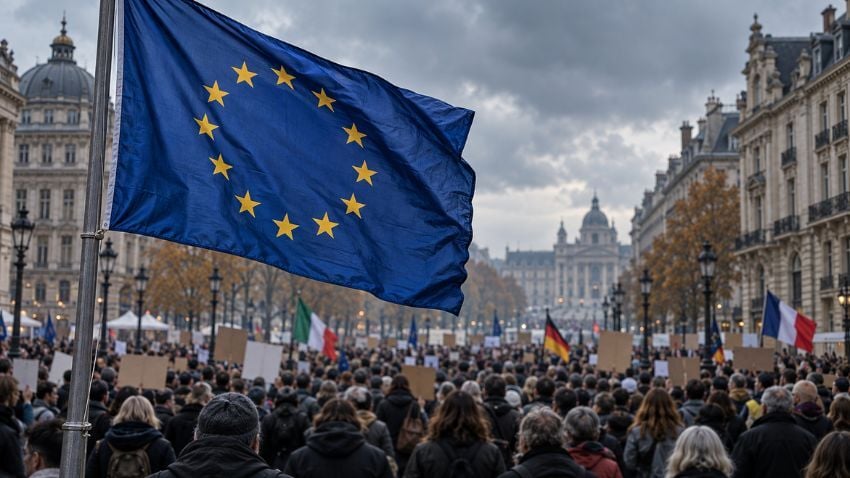
Protests spread across Europe as students, unions and demonstrators take to the streets in France, Belgium, Italy, Spain, Portugal and Greece
THE REST OF EUROPE IS READING THE SAME SCRIPT
France has the biggest crowds, but since late September 2026, students, unions and tenants have also marched in Belgium, Italy, Spain, Portugal and Greece, and several of those demonstrations have ended in clashes and arrests. On October 24, Italy, Spain and Portugal marched again alongside France, and Germany may be next: a youth movement called Gen Z regelt has called protests in 21 German cities for October 31.
BELGIUM
Belgium’s unions have spent weeks striking against budget cuts. When tens of thousands of union members marched through Brussels on October 9, 2026, police met them with tear gas and water cannons. High school students are fighting cuts of their own, and on October 17, 2026, police arrested 195 people at their marches in Brussels and Liège.
Belgium's debt stood at 108.1% of GDP at the end of 2025 and is projected to pass 114% by 2028. In 2025, Belgium’s general government expenditure accounted for approximately 54.4% of its GDP. It turns out that record tax revenue is not enough to cover the state's massive health care costs. The government plans to find €10 billion in savings and additional revenue by 2030 to address the budget deficit. The plan will begin with stringent budget cuts targeting automatic wage indexing, followed by new tax measures. Trade unions are already marching against the blueprint, demanding that the wealthy, not workers, pay the price of the deficit.
ITALY
On October 17, 2026, protests in Milan, Turin and Bologna turned into riots, and in Milan looters smashed their way into the luxury shops around Piazza del Duomo. In the south, haulers blocked the roads over diesel prices until gas stations in Naples ran out of fuel, and supermarket shelves were left empty. A week later, on October 24, Meloni sent 500 more soldiers to guard the centre of Milan, which stayed calm. In Rome, water cannons broke up clashes near Piazza della Repubblica, and a handful of protesters tried to force their way into the Colosseum.
Italy's debt stood at 136.7% of GDP at the end of 2025, and it spent almost 4% of GDP on interest that year, about twice the French share. The European Commission expects growth of 0.5% this year, while annual inflation reached 4.2% in September 2026. Pensions cost 15.5% of GDP in 2023, the highest share in the EU, which leaves less for everything else, starting with health care. In 2024, 5.8 million Italians, almost one in ten, skipped a medical visit, test or treatment, most of them because the waiting lists were too long.
SPAIN
Spaniards are marching against soaring housing costs, and on October 24, 2026, thousands of pensioners joined in with a march in Madrid against the privatization of pensions. All is happening a month before a snap general election on November 29, 2026. The socialist government keeps adding demands while driving away the people who supply homes. This spring, Pedro Sánchez’s coalition opened a mass legalization for migrants living in Spain without papers. It drew 1.17 million applications and told anyone still planning the journey that papers come eventually. Spain’s population increased by approximately 460,000 people in the year to April 2026. This growth came almost entirely from people born abroad. The country is also facing a housing shortage of about 730,000 units.
Housing supply, meanwhile, is being actively discouraged. Rather than keeping homes affordable, rent caps under the 2023 housing law are driving landlords straight into short-term tourist lets and seasonal loopholes. When Catalonia introduced rent controls in 2020, one study estimated that the number of rental properties available on the market fell by approximately 10–14% in the affected areas. To make matters worse, evicting a squatter or non-paying tenant can easily drag on in court for more than a year. On top of that, Sánchez kept an annual wealth tax as high as 3.5%, and even proposed a tax of up to 100% on residential properties purchased by non-EU, non-resident buyers, sending a clear message to foreign investors: stay away.
PORTUGAL
Portugal’s protesters are camping out. A protest camp went up in Porto first. Then dozens of tents appeared in Lisbon, and on October 17, 2026, tens of thousands marched through Lisbon, Porto and Coimbra behind the main union confederation. What most of them want is a home they can afford, in a country where property prices rose 124% between 2015 and 2024, about twice as fast as they did across the EU. On October 24, they were back in Lisbon, holding up house keys and marching against the government’s plan to ease the cap on annual rent increases.
The protesters want more public housing and an end to expedited evictions, but Portugal has already tried the socialist answer. In 2023, António Costa’s socialist government banned new short-term rental licences in the cities and closed the golden visa to property buyers. In the second quarter of 2026, Portugal recorded the fastest annual house-price growth in the EU, at 16.5%. Only more building brings rents down.
GREECE
Greece has had the calmest protests so far. About 10,000 students and teachers marched to Parliament in Athens on October 21, 2026, asking for better pay and cheaper student housing, while civil servants walked off the job across the country. Their complaint is easy to understand. The average gross monthly pay for full-time private-sector employees was €1,516 in 2025, and annual inflation reached 5.1% in September 2026. By mid-October 2026, the Greek government said its support measures for the year exceeded €1 billion, including fuel subsidies and heating assistance. Public debt, meanwhile, stood at about 145% of GDP at the end of 2025. I wonder how the Greek government plans to finance its budget deficit.

An aeroplane takes off at sunset, symbolizing the opportunity to build a new life abroad as Europe’s economic and political crises deepen
EUROPE’S CRISIS DOESN’T HAVE TO BE YOURS
If you are waiting for a miraculous European resurgence, you are mistaken. The continent is hemorrhaging capital, yet governments continue to bleed the patient in the name of a cure. You do not have to wait for your own government to run out of money.
I have lived in Panama for seven years, and in 2025 its government spent about 21% of GDP, little more than a third of the French figure. The country is politically stable and economically sound, and it taxes only income earned inside its borders. Investors can get residency without much fuss, and Panama sits a long way from the wars now on Europe’s doorstep.
Paraguay and Costa Rica work on the same territorial principle. Paraguay granted almost 30,000 residencies in the first half of this year, 81% more than a year earlier, and Moody’s assigns its sovereign debt an investment-grade rating. That popularity has a cost: since July 6, 2026, applicants for permanent residency face a tougher test of their finances, so the easy door is already narrowing. Costa Rica has long been one of the region’s best-known expat destinations, particularly for its way of life, and its investor residency is simple to get.
Daily life holds up too. These countries have modern private hospitals and international schools that cost a fraction of what you would pay for comparable services in Paris or Brussels. Panama and Costa Rica have beaches that would cost a fortune on the French Riviera, and nobody is setting fire to the shops on your street.
The invitation is open. The people who do well are the ones who accept it early, while the paperwork is still easy and before the next riots break out or a tax rise comes into effect.
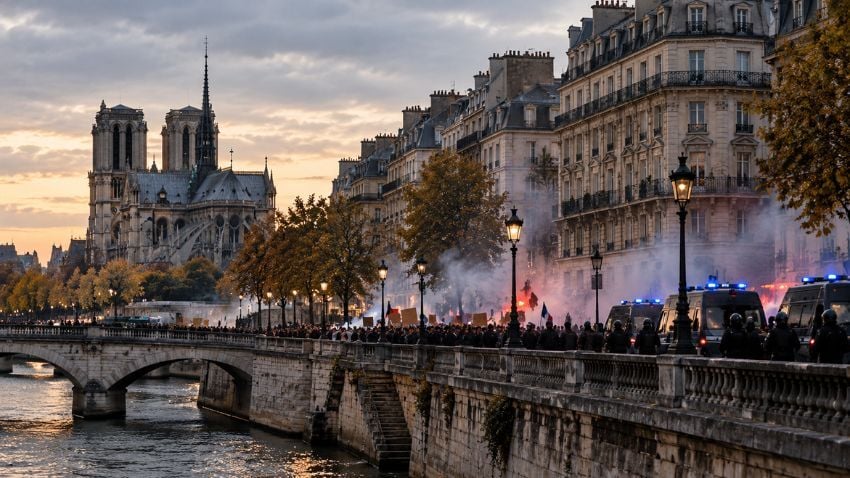
Protests and unrest along the Seine in Paris reflect Europe’s deepening economic crisis, rising public debt and growing frustration with governments across the continent
CONCLUSION
Europe has become an open-air museum. The cathedrals and boulevards are as beautiful as ever, but the economy behind them has slowed to a crawl. Its governments have borrowed so much that interest now eats the money they once spent on schools and hospitals, and taxing harder is the only move they have left. The people who were promised a lifetime of care have stopped believing anyone will deliver it, and people have taken that anger to the streets with a brick in their hand. I see no road back from here. No European politician wins an election by promising less, and the debt makes every new promise more expensive than the last.
You do not have to stay for the ending. The way out is simpler than most people think. Move your residency to a country that taxes only what you earn there and takes far less of your income, well away from Europe’s accelerating collapse and the conflicts on its borders. If you like to evaluate your options, download our free special report on Plan-B Residencies & Instant Citizenships.






















 Mikkel Thorup: October 28, 2026